Why a reflex is hard to interrupt
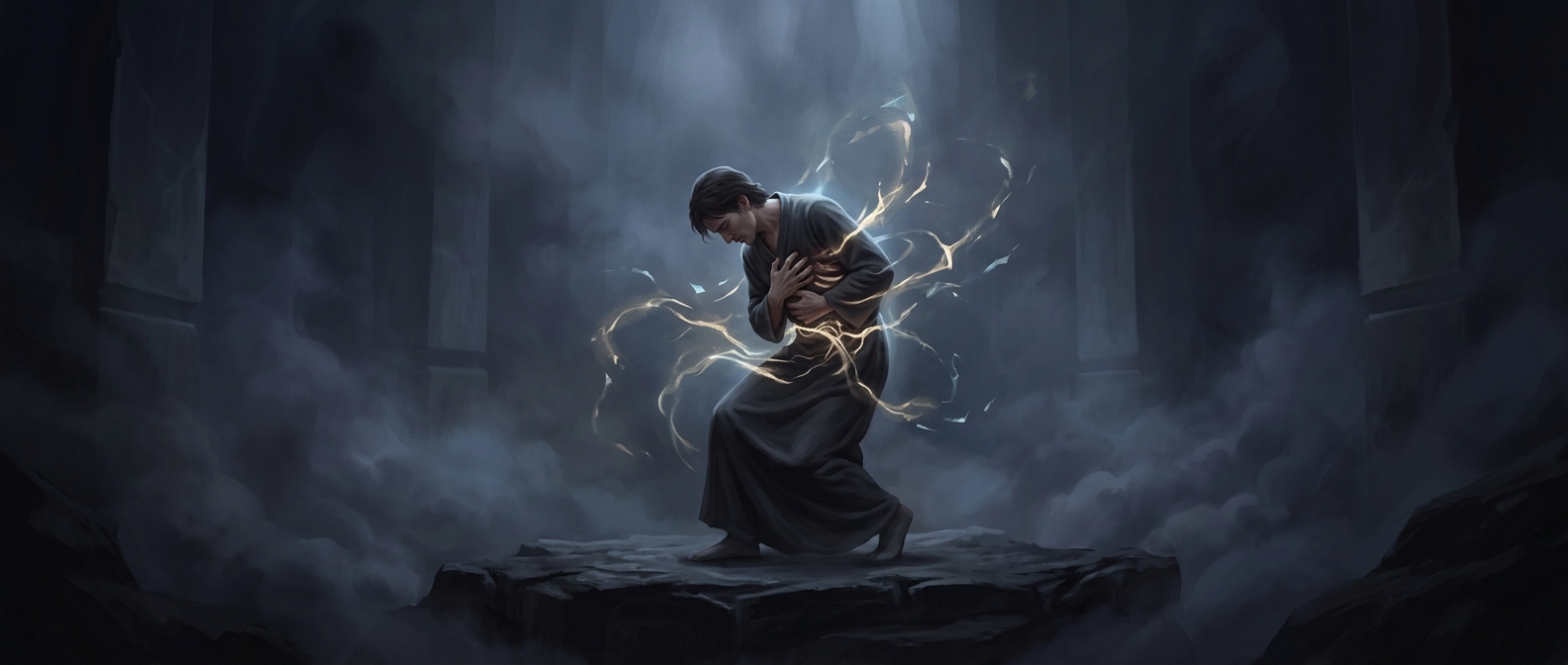
A hiccup is not a voluntary action that can simply be stopped by deciding to stop. It is a short reflex circuit: nerves signal the diaphragm, the main muscle used for breathing, to contract; almost immediately, the vocal cords close and produce the hic sound. The circuit can fire without conscious control, much like a sneeze or a knee-jerk response.
That matters because a trick must influence the right part of the circuit at the right moment. Holding your breath changes breathing signals and carbon dioxide levels; swallowing or sipping water activates muscles and nerves in the throat. Either may briefly disrupt the hiccup pattern, but neither reliably resets the reflex. The same maneuver can work once and fail the next time because the trigger and timing may differ.
Why no home remedy works for everyone
Hiccups can be set off by ordinary changes such as eating quickly, a full stomach, or sudden shifts in temperature. These triggers may irritate or stimulate nerves involved in the reflex, but the exact cause of an individual bout is often unclear. A remedy that helps one person—or one episode—may do nothing for another.
Many popular methods are variations on changing breathing, swallowing, or attention. They are plausible ways to interfere with a reflex, not dependable off switches. Upside-down drinking, in particular, adds awkwardness without guaranteeing that the relevant nerve signals will change.
When a hiccup stops being routine
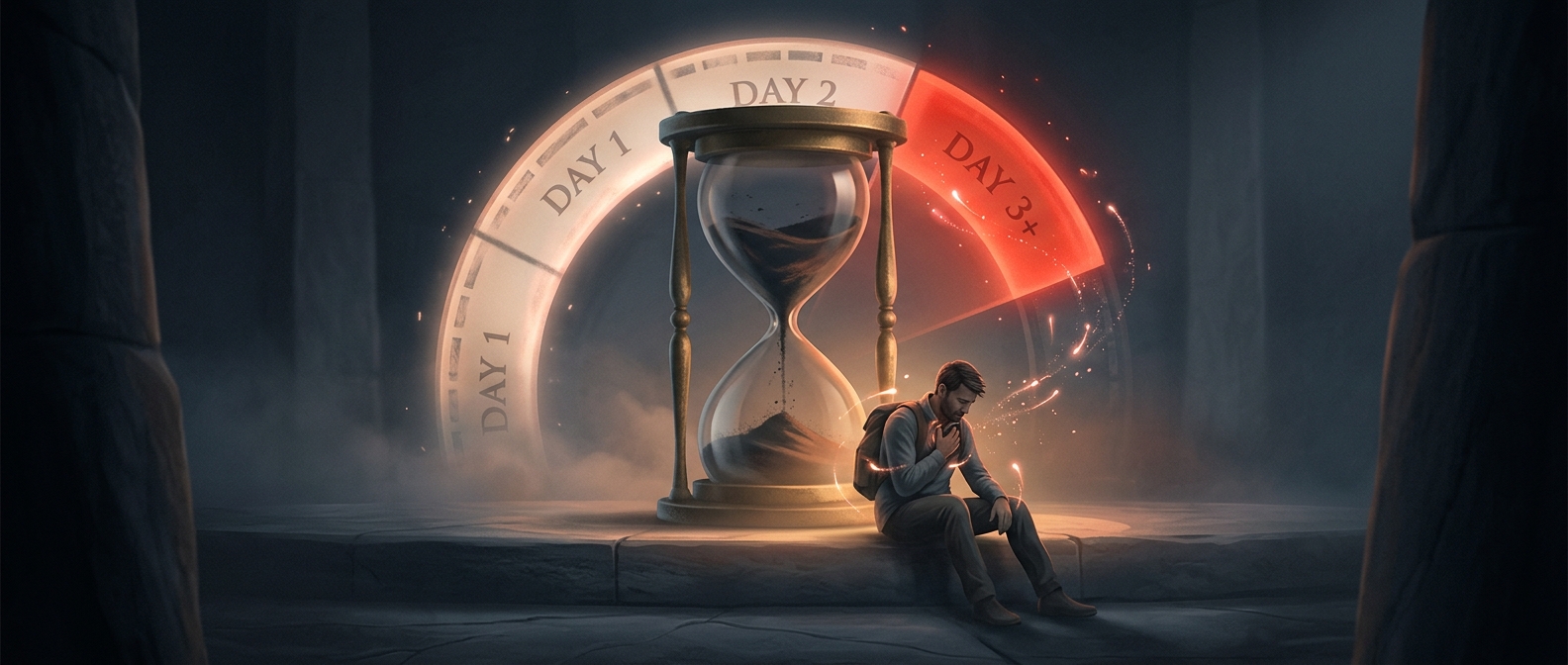
Most bouts end on their own. Persistent hiccups are different: if they continue for more than 48 hours, they warrant medical advice, since prolonged episodes can sometimes be linked to an underlying condition or medication. The practical lesson is that ordinary tricks are attempts to nudge a self-running circuit—not cures with a guaranteed result.