How a hiccup interrupts a breath
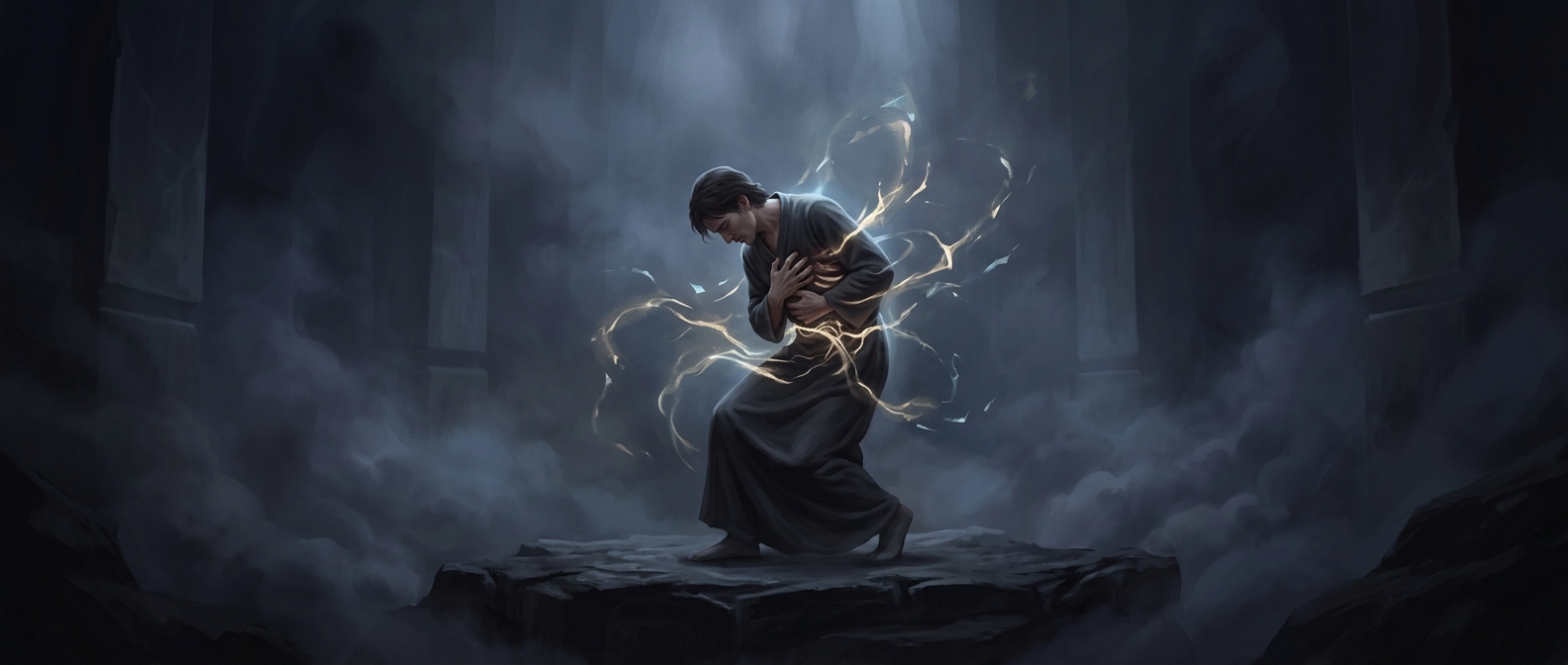
A hiccup begins when nerves trigger a sudden, involuntary contraction of the diaphragm, the broad muscle beneath the lungs that helps draw air in. Other breathing muscles may join in. A moment later, the glottis—the opening between the vocal cords—snaps shut, briefly stopping the incoming air. The familiar “hic” is the sound of that closure.
The sequence is a reflex: once it starts, it runs without conscious instruction. In most people, an episode passes on its own, though the precise trigger can vary.
An evolutionary clue, not a proven origin
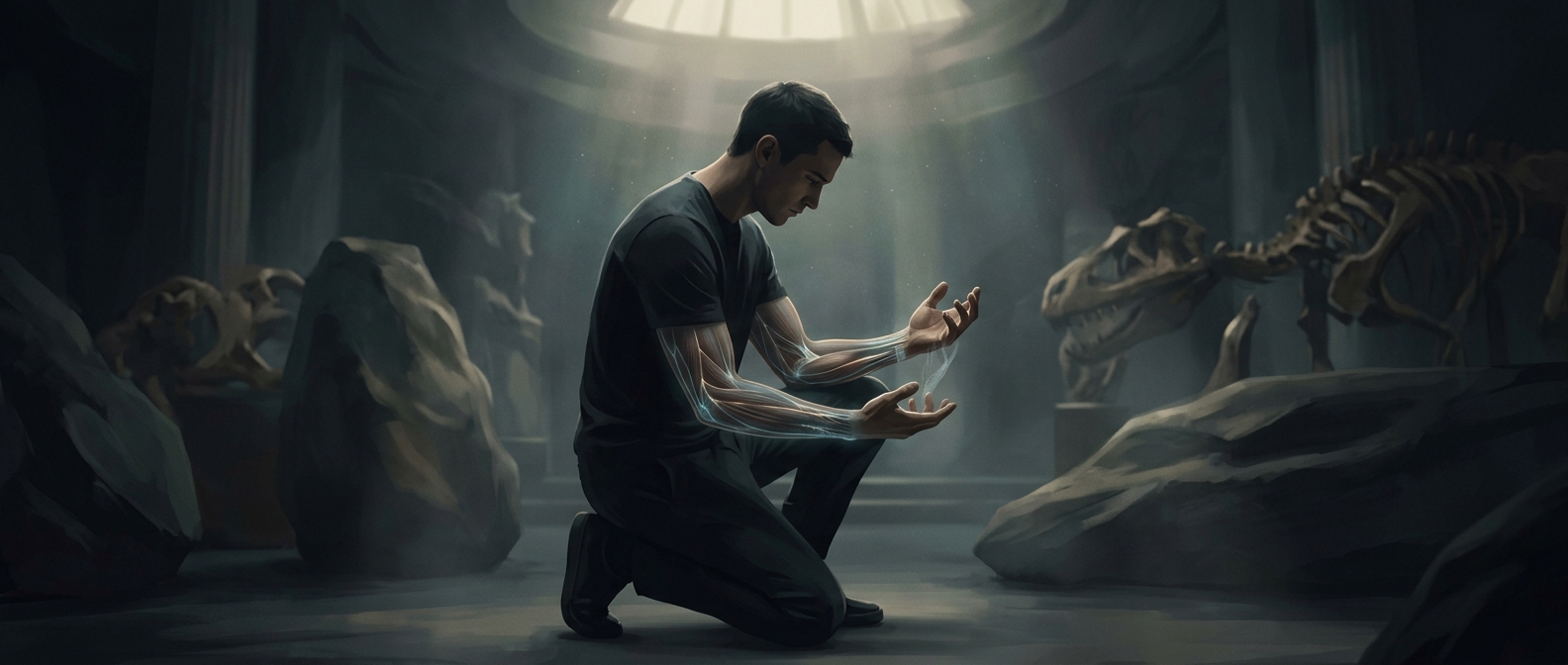
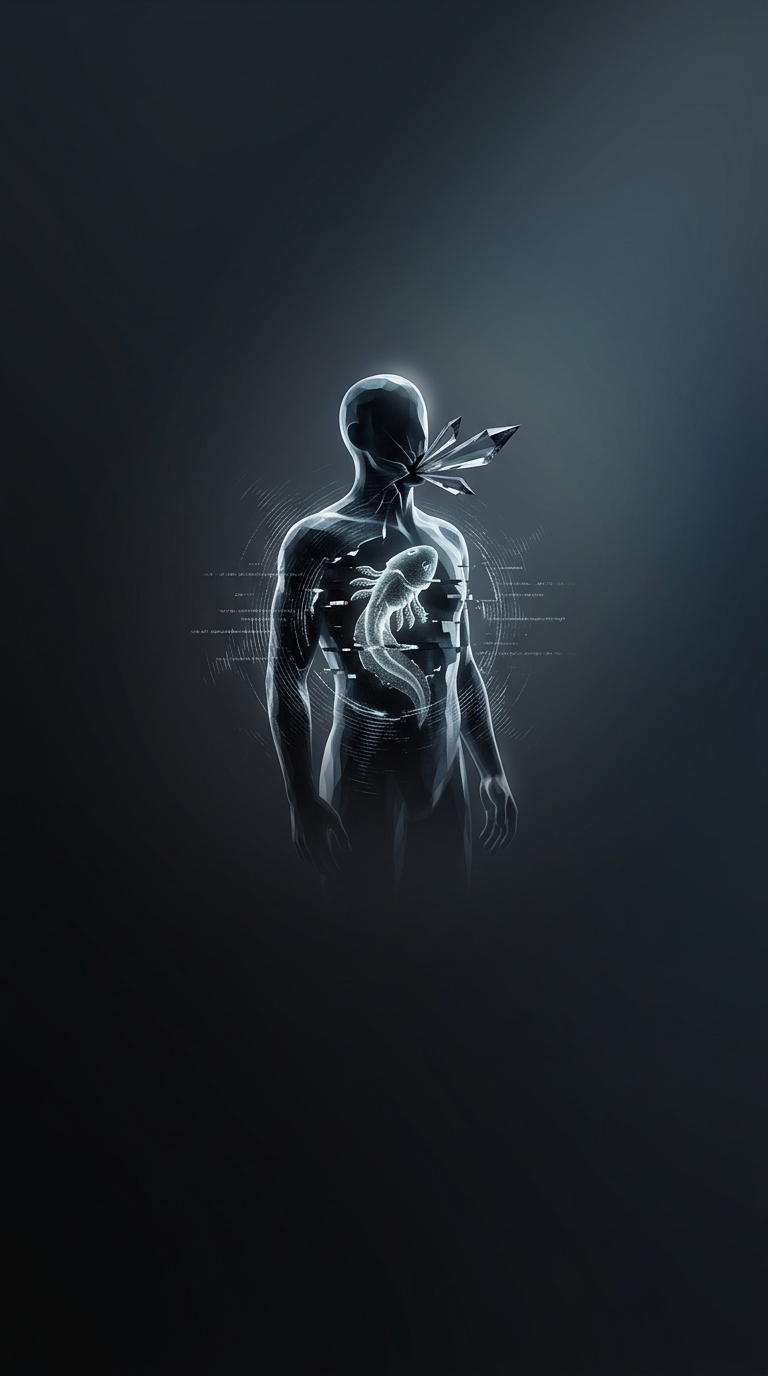
One hypothesis links the hiccup reflex to ancient vertebrate breathing. The proposed connection is a shared nerve-and-muscle pattern: amphibians can use rhythmic movements to move water over their gills, while mammals use related breathing machinery to move air into their lungs. Hiccups may preserve a fragment of an older motor pattern—a built-in sequence of muscle commands—rather than a useful behavior in modern humans.
That idea is intriguing, but it is not a settled explanation. The resemblance does not show that a human hiccup once pumped water across gills, or establish why the reflex evolved. Researchers have also considered roles connected to early development and feeding, but no single account explains the phenomenon conclusively.
A reflex without a clear job
For ordinary, brief hiccups, no specific health benefit has been established. Nor does the evolutionary hypothesis mean that the body is literally confusing a person with a tadpole: it suggests only that some components of a reflex may have deep evolutionary roots. The practical result is less grand than the theory—a breathing circuit briefly contracts and closes the airway at the wrong moment, leaving a tiny interruption that can break the silence of a movie or a presentation.