What Makes a Chin a Chin?
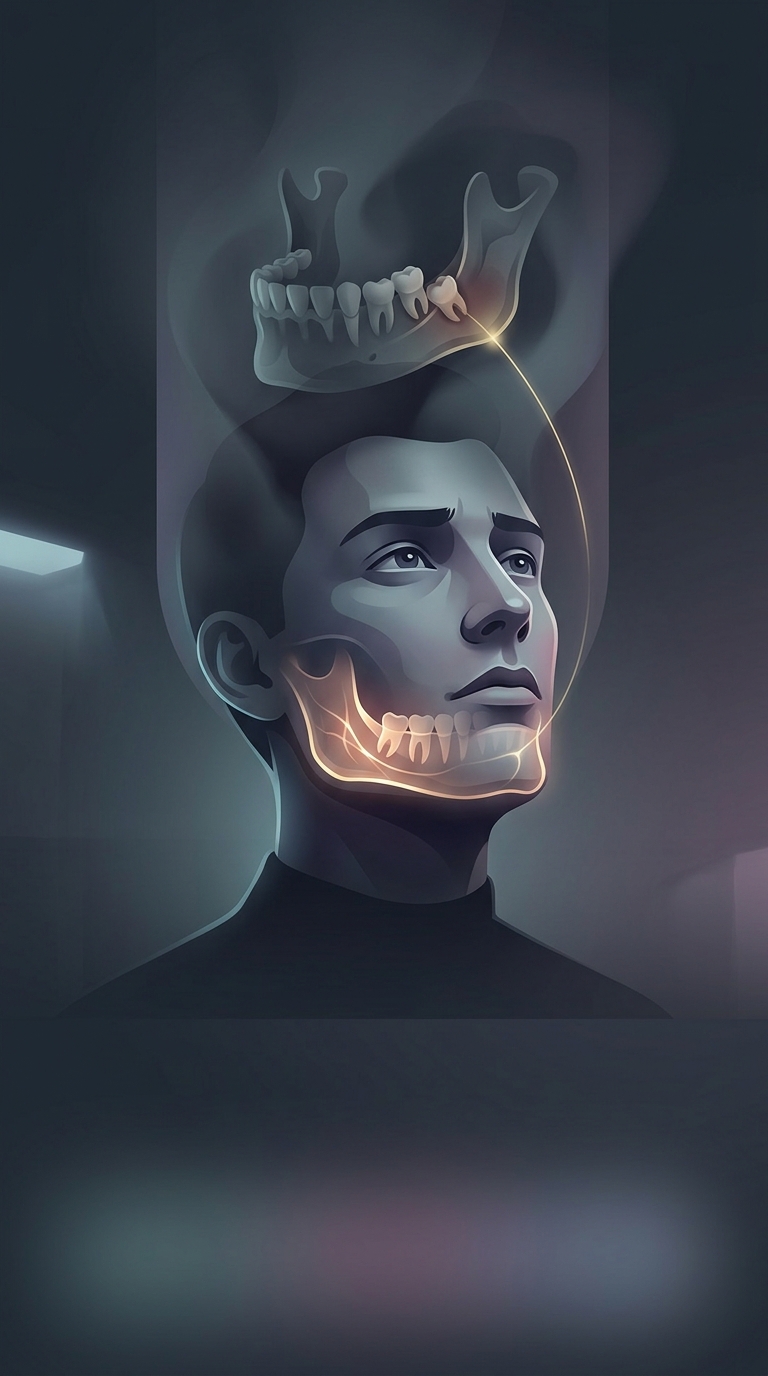
The human chin is the forward-projecting part of the lower jaw, especially the rounded or ridged area at its front. Anatomists call this region the mental eminence. Many animals have lower jaws, but a pronounced bony chin like ours is unusual among living primates and is often treated as a distinctive feature of modern humans.
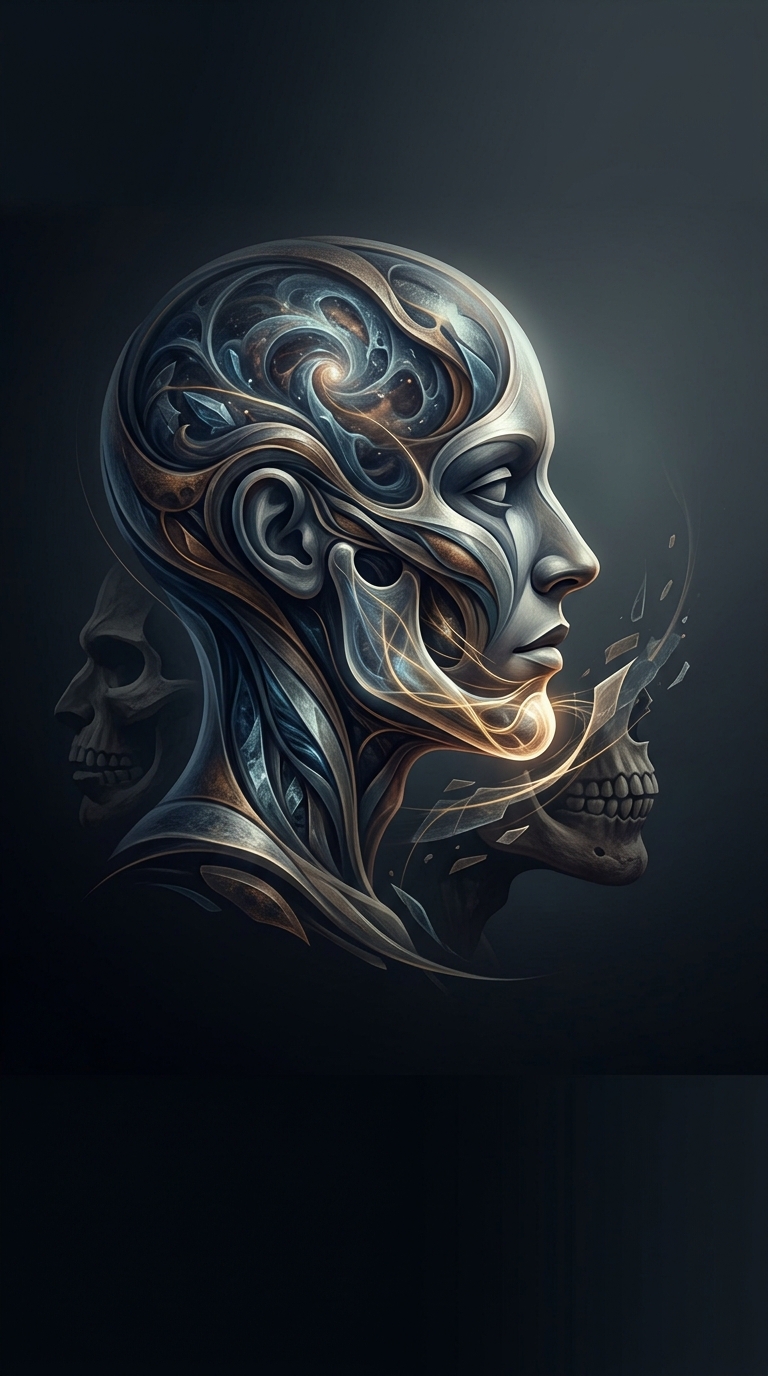
That does not mean every human chin sticks out dramatically, or that no other hominin ever had any chin-like projection. Neanderthals, for example, generally lacked the prominent chin typical of modern humans, though the details of jaw shape vary across individuals and fossils.
A Shape Without an Obvious Job
The chin is not a separate bone or a tool added to the jaw. It forms as the front of the mandible—the lower jaw—takes shape during growth. Modern human jaws are relatively short and tucked beneath the face, and the bony area at the front develops its characteristic outward contour as the jaw grows and remodels.
Researchers have proposed that this shape may relate to the forces created by chewing or to the way the lower face is built. But no single explanation has become settled. A feature can arise as a consequence of changes elsewhere in the skull, rather than because it provides a direct advantage of its own. In that sense, saying the chin has “no purpose” goes further than the evidence: its precise evolutionary role remains uncertain.
Not Simply a Jawline for Show
The idea that chins evolved because they made people more attractive is difficult to establish. Faces do influence social judgments, but that alone cannot show why a bone shape evolved. Nor is there good reason to treat the chin as a special shock absorber for chewing; the jaw and its surrounding structures share those forces.
The more careful takeaway is that the chin is a conspicuous human trait whose origin is still debated. Its presence may reflect the distinctive way the modern human face and jaw developed—not a feature designed for one neat task. A small ridge at the front of the jaw can therefore tell a larger story: evolution often leaves us with shapes whose history is clearer than their function.