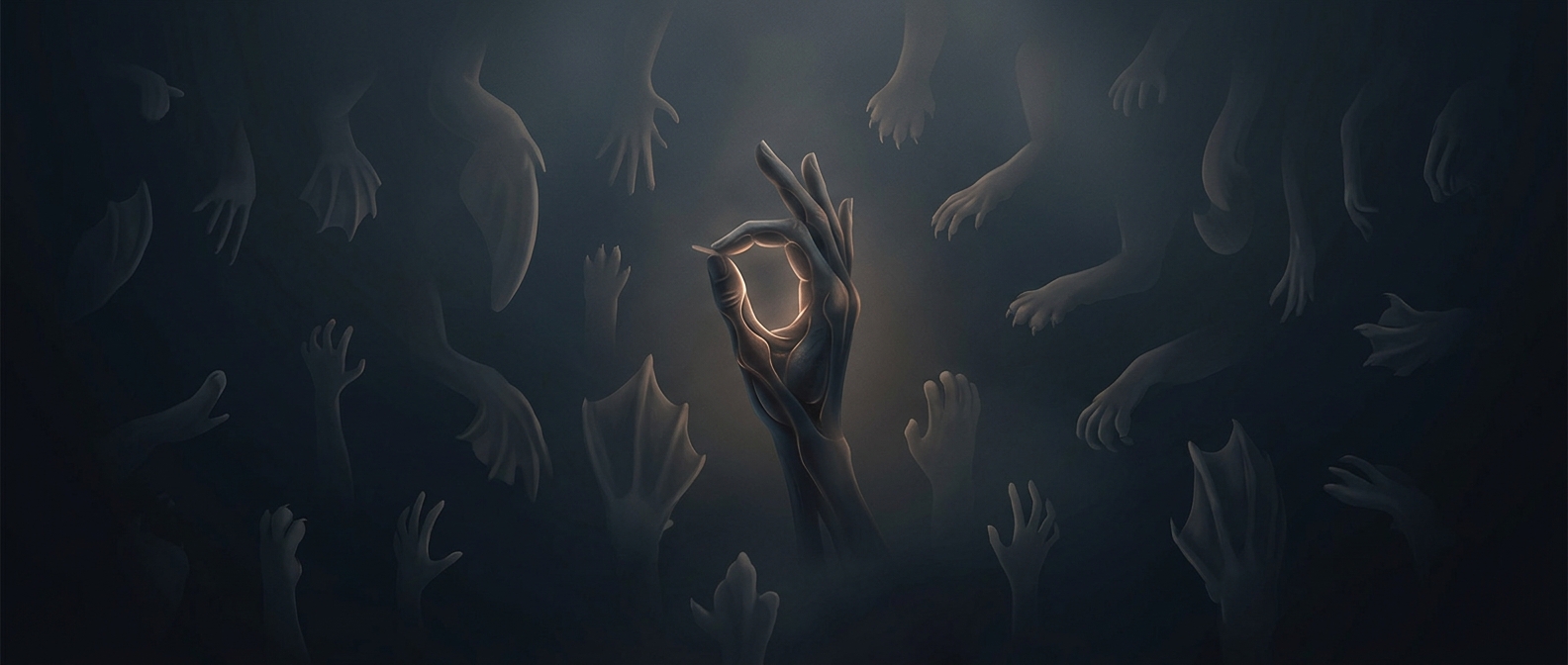
A Thumb Has to Do More Than Bend
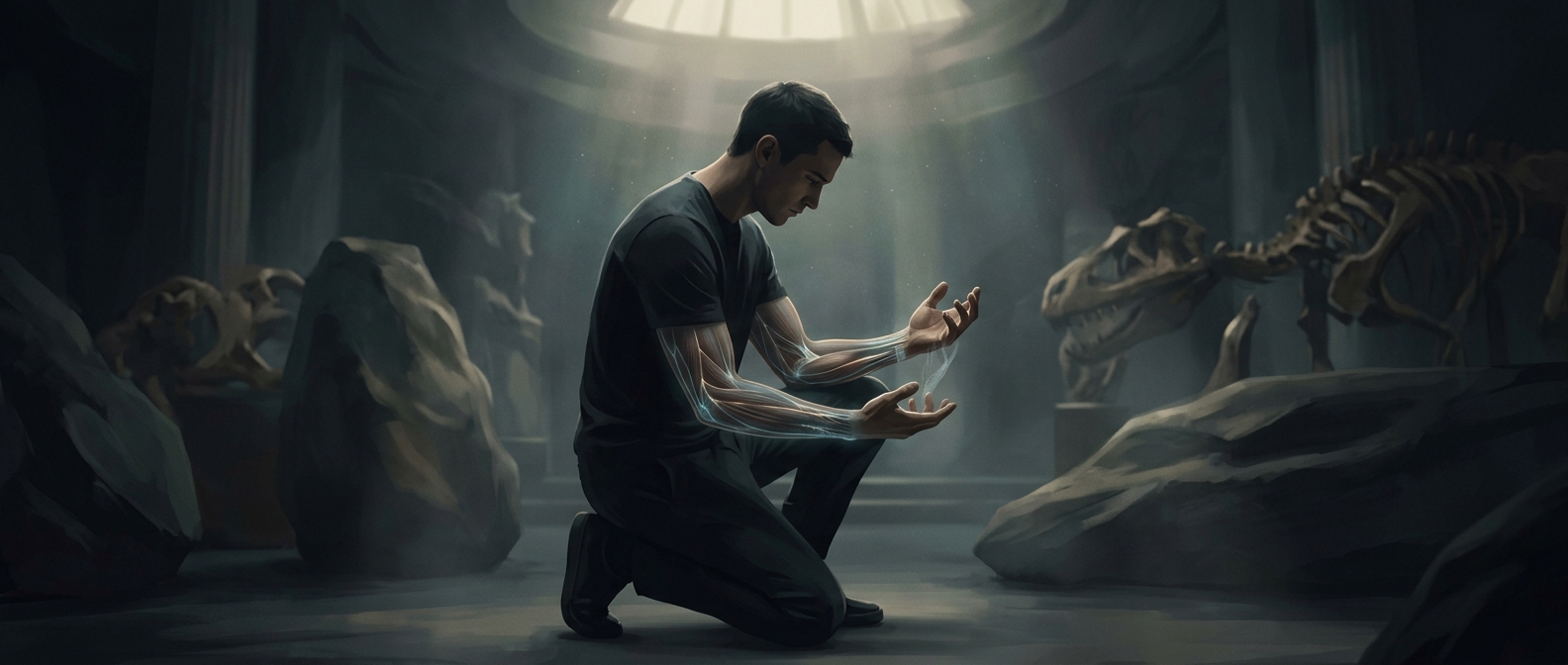
A digit that can fold inward is not necessarily opposable. The key is whether it can swing across the hand and turn enough to meet the fingers. In humans, that movement depends on the thumb’s joint at the wrist end of the palm, which lets its base move in several directions, and on muscles that pull and rotate it across the hand.
That combination is unusual among animals. Many hands and paws can close around an object, but their digits stay lined up, making a broad clamp rather than a precise meeting between thumb and fingertip. Opposability also comes in degrees: some primates and other mammals can bring a digit toward the fingers, but may not have the same range or control as a human thumb.
Why the Movement Matters
When thumb and fingertip meet, they create a small, controllable contact point. The hand can hold a thin object without crushing it, turn it, or make a tiny adjustment while the other fingers steady it. The thumb’s rotation is as important as its reach: without that turning motion, the pads of the thumb and fingers would be harder to bring face-to-face.
This precision is not produced by anatomy alone. Nerves and muscles continually adjust pressure and position, allowing the hand to shift between a strong grasp and a delicate one. The result is a versatile tool built into the hand—not simply a finger that happens to point inward.
Opposable thumbs evolved in more than one branch of mammals, so they are not unique to humans. But across animals, the combination of a mobile base joint, rotating movement, and fine muscular control is uncommon. That is why a seemingly small anatomical difference can change what a hand is able to do.