A reflex with a short fuse
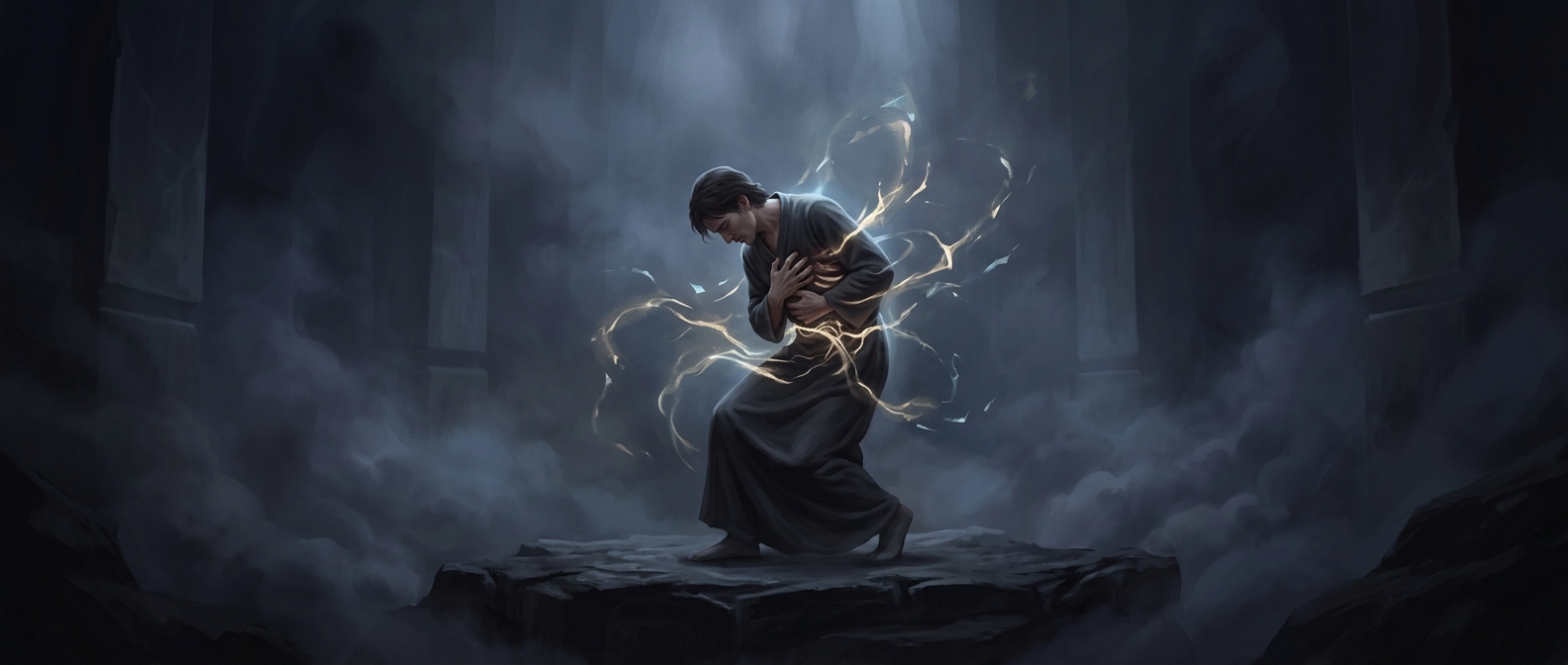
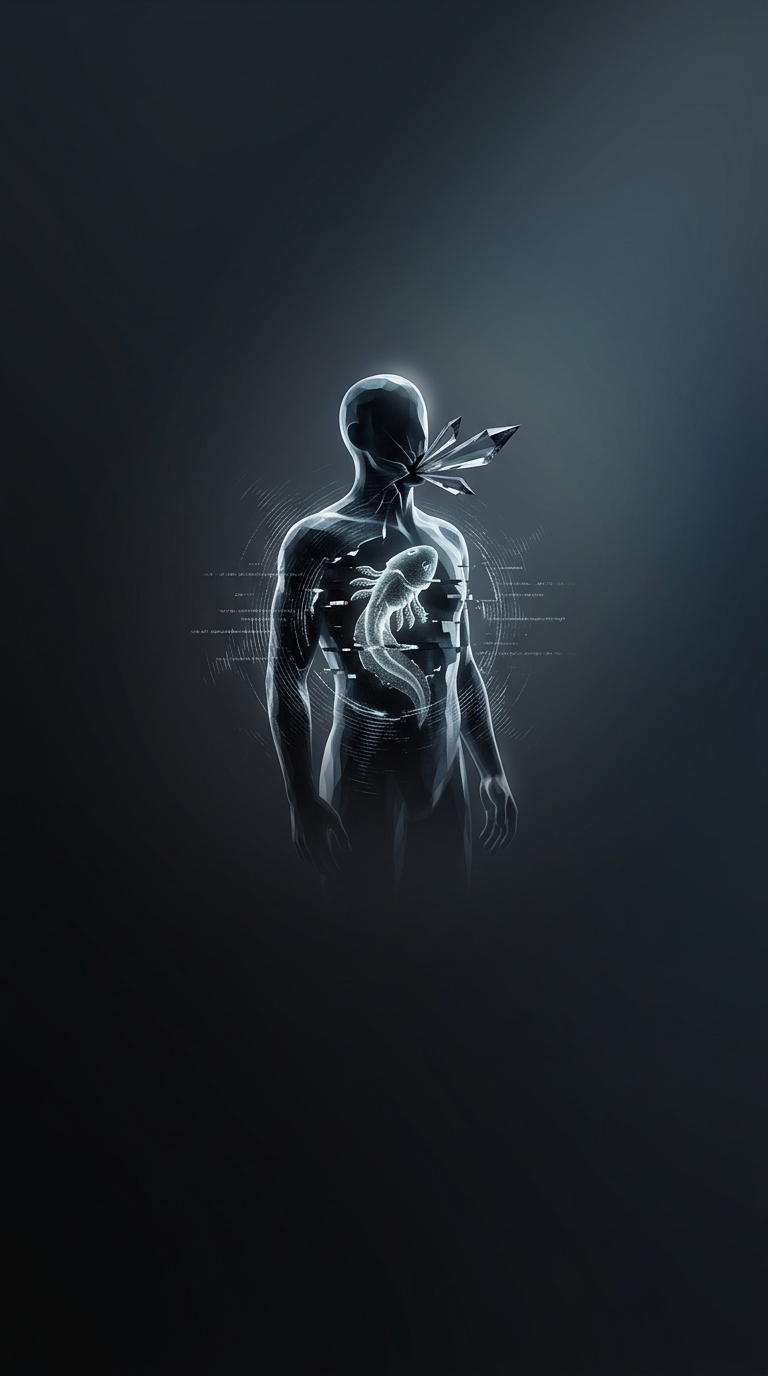
A hiccup is not a deliberate breath gone wrong. It is a reflex: sensory nerves carry signals from areas such as the throat, chest, and stomach to nerve circuits in the brainstem, which then send an abrupt command to the breathing muscles. The sequence can unfold before you have time to react, so a hiccup may interrupt a sentence, a laugh, or a quiet moment without warning.
The reflex can be set off by ordinary changes that irritate or stretch those areas. Eating quickly may make someone swallow extra air; a full stomach, fizzy drinks, sudden temperature changes, or excitement can also precede a bout. These are common associations, not a single universal cause—one person’s hiccups may have no obvious trigger.
Why the rhythm can outlast the trigger
Once the reflex starts, the original irritation may already have passed, while the nerve circuit continues firing for a while. That helps explain why stopping the apparent trigger does not necessarily stop the hiccups immediately. Holding the breath may alter the breathing pattern briefly, but it does not reliably switch off the reflex; the spasms can resume as soon as normal breathing does.
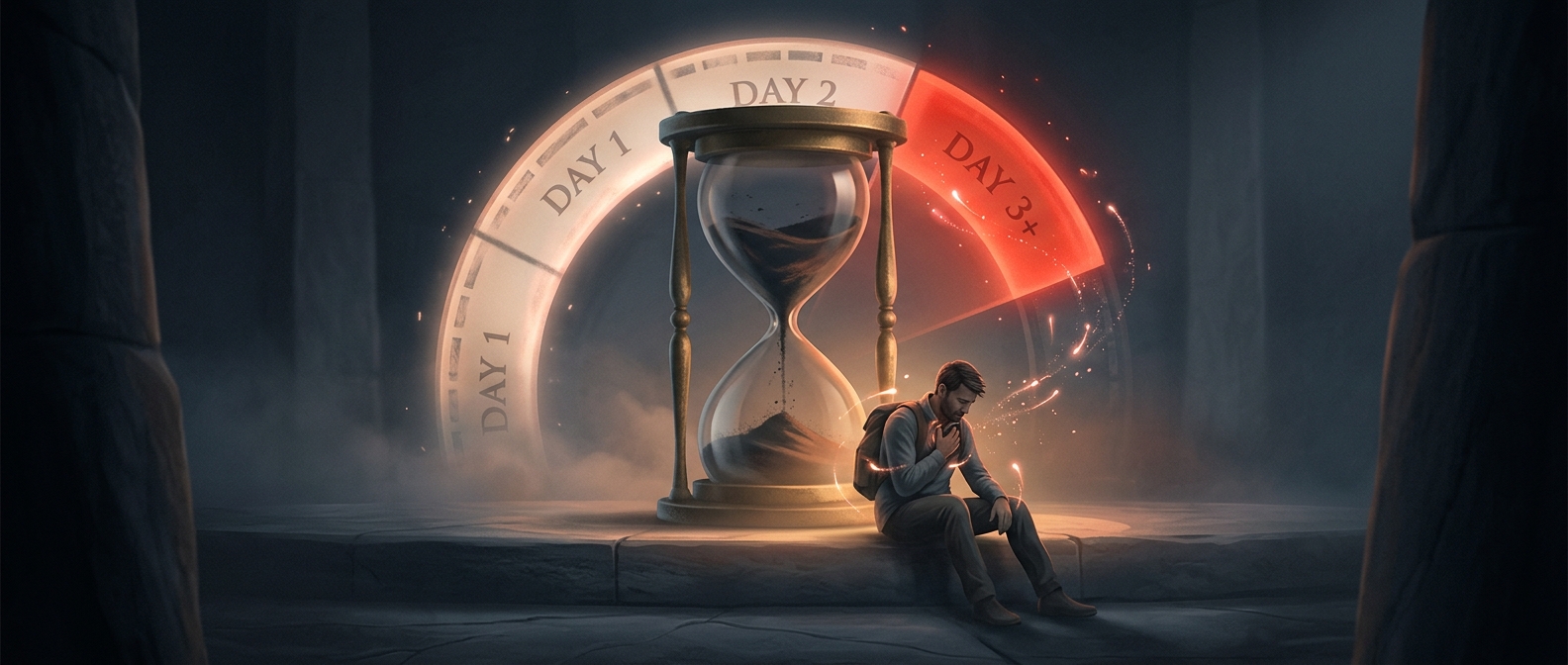
Most bouts fade on their own. Hiccups that continue for a prolonged period are different: ongoing contractions can disrupt sleep, eating, or speaking, and may warrant medical attention to look for an underlying cause. For the familiar brief episode, though, the awkward timing is part of the mechanism: an automatic reflex can seize control of a moment before conscious attention can intervene.