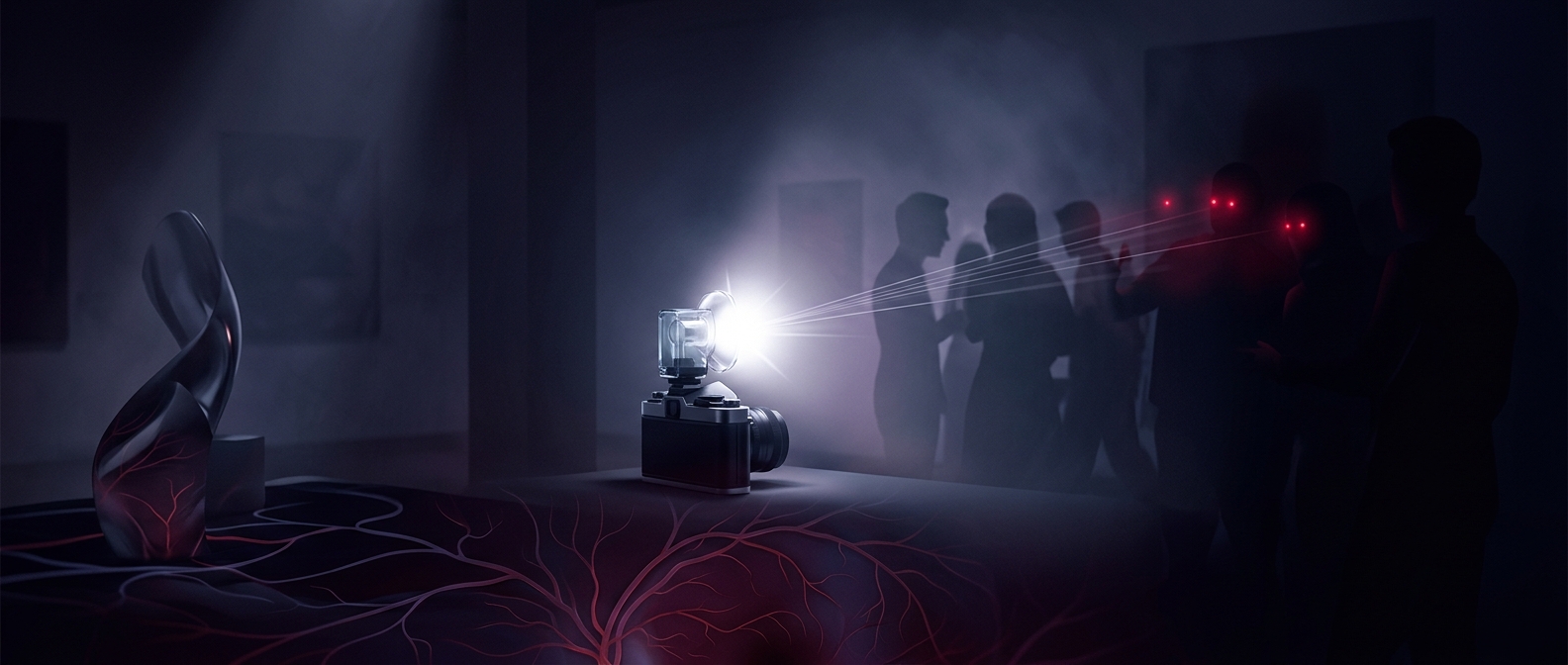
Why effort can widen the pupil
Pupil size is adjusted by two small muscles in the iris, the colored ring of the eye. One constricts the opening; the other enlarges it. Their activity is controlled automatically by the autonomic nervous system, which regulates functions such as heart rate and digestion without conscious direction.
When a task demands sustained attention or difficult mental work, brain activity can shift the balance of signals reaching those muscles. The enlarging muscle may become more active, and the constricting influence may ease, allowing the pupil to grow. This is a small bodily response, not a deliberate attempt to look focused.
A visible signal with limits
Researchers can track pupil size with eye-tracking cameras, sometimes detecting changes too subtle to notice unaided. During a hard problem, dilation often rises and falls with the mental demands of the task. If someone reaches a solution or gives up, that effort-related signal may change as well.
But pupil size is not a simple meter of intelligence or concentration. Brightness strongly affects it: pupils constrict in bright surroundings and expand in dim ones. Emotion, fatigue, and other forms of arousal can also alter the measurement. To interpret a small change, observers need to account for lighting and the conditions around the task.
That makes the pupil useful as one clue to the effort happening beneath the surface—not a reliable verdict on what a person is thinking. In a meeting, a subtle widening may accompany intense concentration, but only the person doing the mental work knows what the problem is.