Why a face can look better after a drink
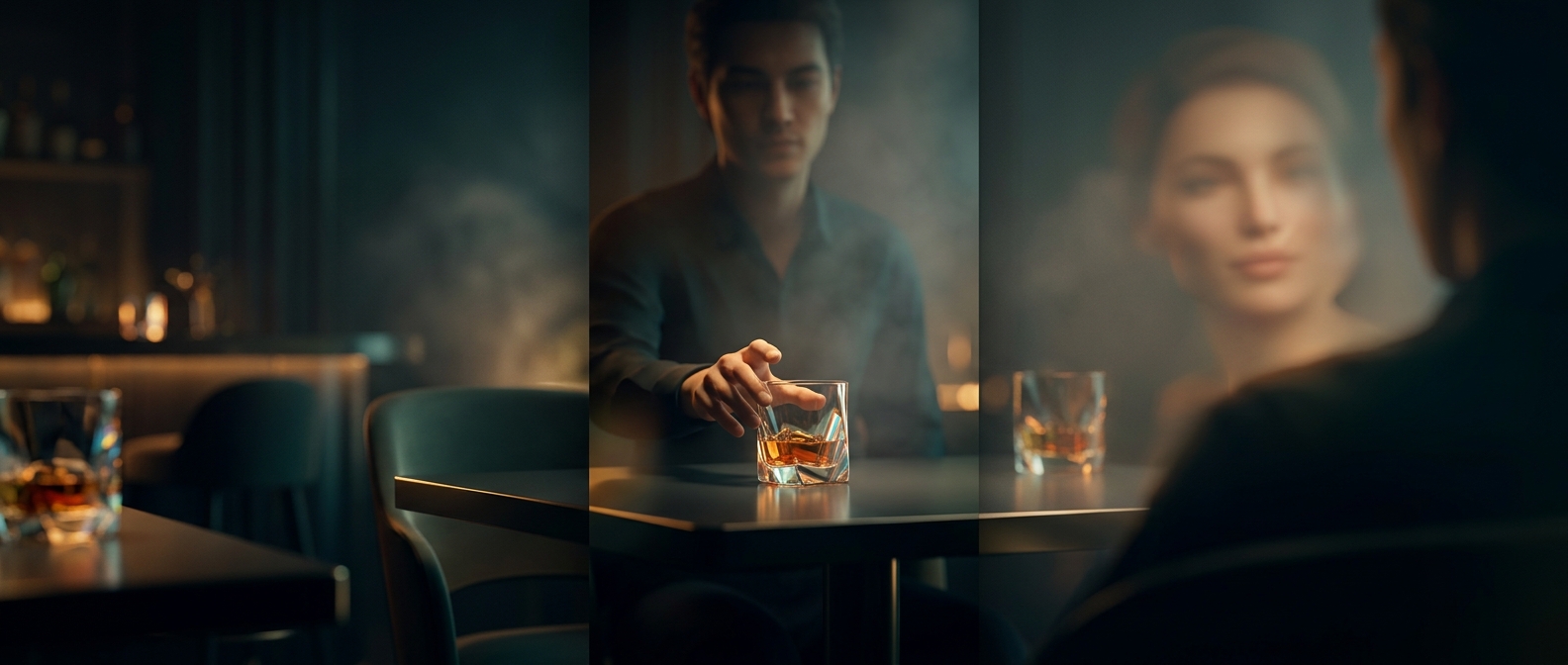
Attraction is not a literal inventory of facial features. The brain takes in a face and forms an overall impression, weighing details such as expression, symmetry, and grooming alongside the social moment. Alcohol can make that assessment less careful: subtle drawbacks may receive less scrutiny, while the broad impression carries more weight.
That shift is part of a wider effect on judgment. Alcohol can impair attention and self-control, making it harder to pause, compare details, or question an initial reaction. A feature that might stand out during sober, deliberate evaluation can fade into the background when attention is less focused.
The change is in the observer
The face itself has not altered. What changes is the way the drinker processes it—and the same loosening of judgment can affect decisions beyond attraction. A favorable first impression may feel more convincing because fewer reservations are being examined.
That is why “beer goggles” describes a perceptual shift, not a transformation: the person across the room is the same, but the mental spotlight has moved.