How a torn leaf makes a smell
When grass is cut, cells that normally keep their contents separate are ruptured. Enzymes then act on fatty molecules in the damaged tissue, quickly producing green leaf volatiles—small airborne compounds that include the characteristic fresh, grassy notes. The scent is not a substance stored in the lawn and released intact; it is made as damage sets off a chemical chain reaction.
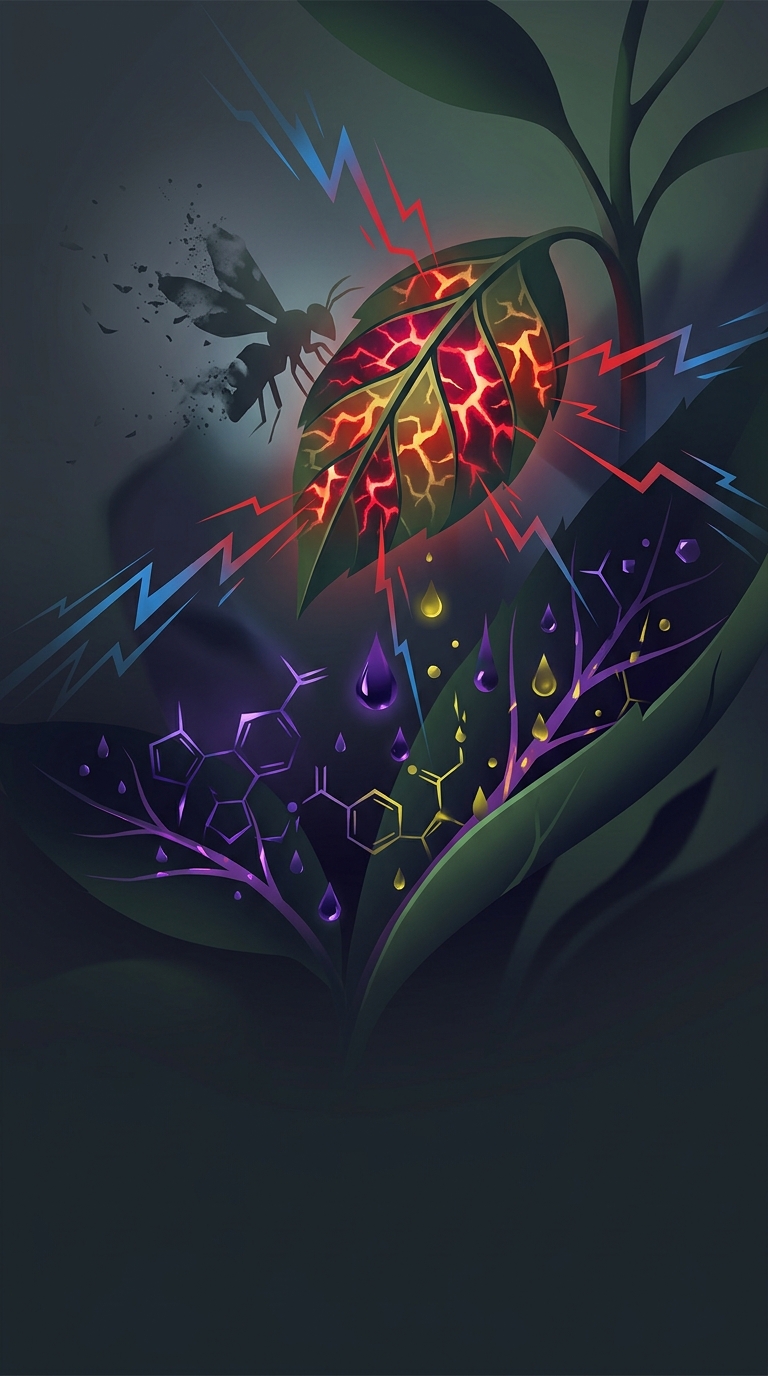
The same basic family of compounds can be released when insects chew leaves. In that setting, the airborne blend may carry information about the kind of damage and the attacker. It is a chemical consequence of injury that other organisms can sometimes use as a cue, rather than a deliberate message in the human sense.
A warning with more than one listener
Some nearby plants can detect airborne compounds and alter their own defenses, effectively getting a head start before an herbivore reaches them. The response depends on the species and conditions: plants do not all interpret the same volatile in the same way, and a signal does not guarantee that a neighboring plant will mount a useful defense.
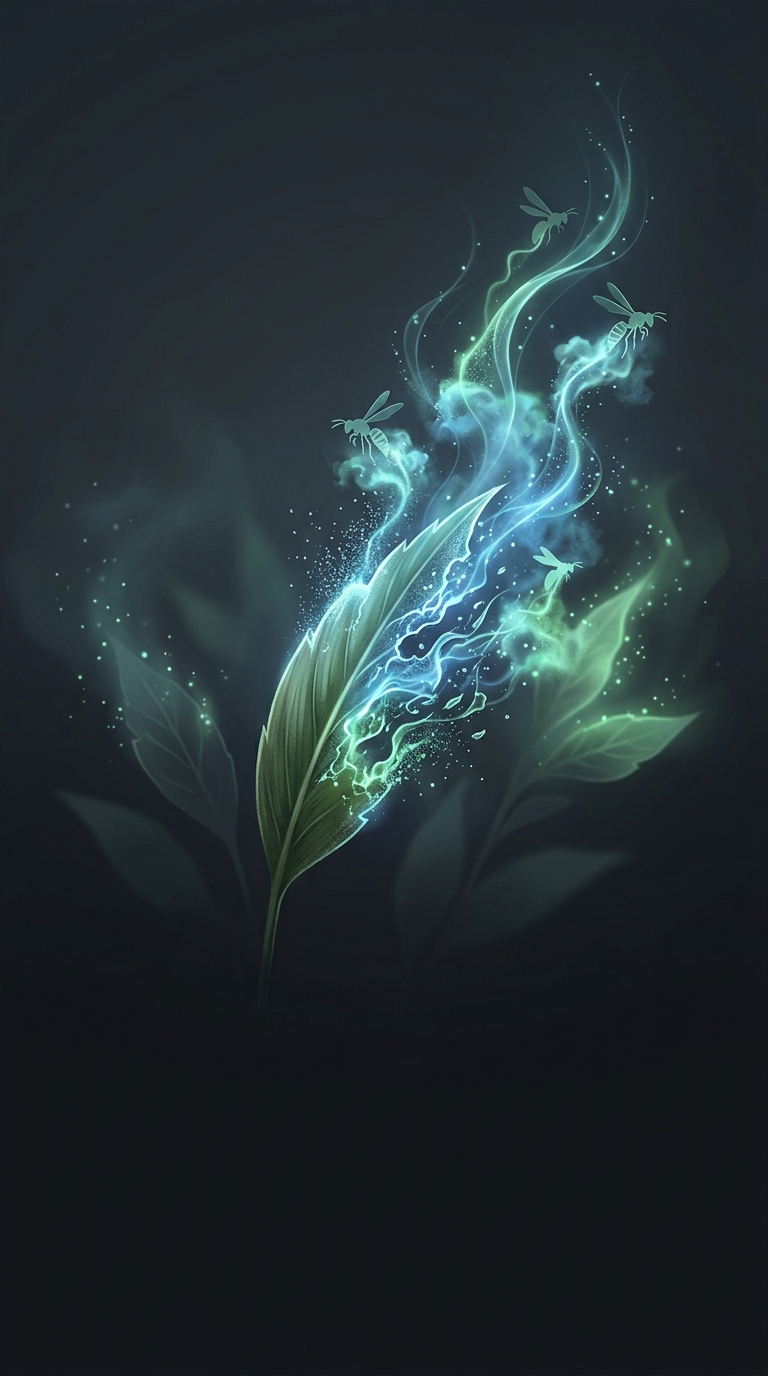
The chemicals can also help recruit predators or parasites of plant-eating insects. Certain blends released by attacked plants can attract parasitoid wasps—small wasps whose young develop on or inside other insects. The wasps may then attack the herbivores harming the plant. That attraction depends on the particular plant, insect, and mixture of chemicals; the smell of a freshly mown lawn is not itself a universal wasp alarm.
So the familiar lawn scent is a trace of broken plant tissue, but its ecological role can reach beyond the injured blade. A cut releases compounds that may become part of a quiet exchange among plants, insects, and their enemies.