What “Ascended Masters” Means
In some modern spiritual traditions, ascended masters are believed to be human beings who achieved a heightened state of wisdom or spiritual freedom and can now help people from beyond ordinary physical life. The term “ascended” signals a change in spiritual status, not a claim that these figures hold a visible office or direct governments in a literal, verifiable way.
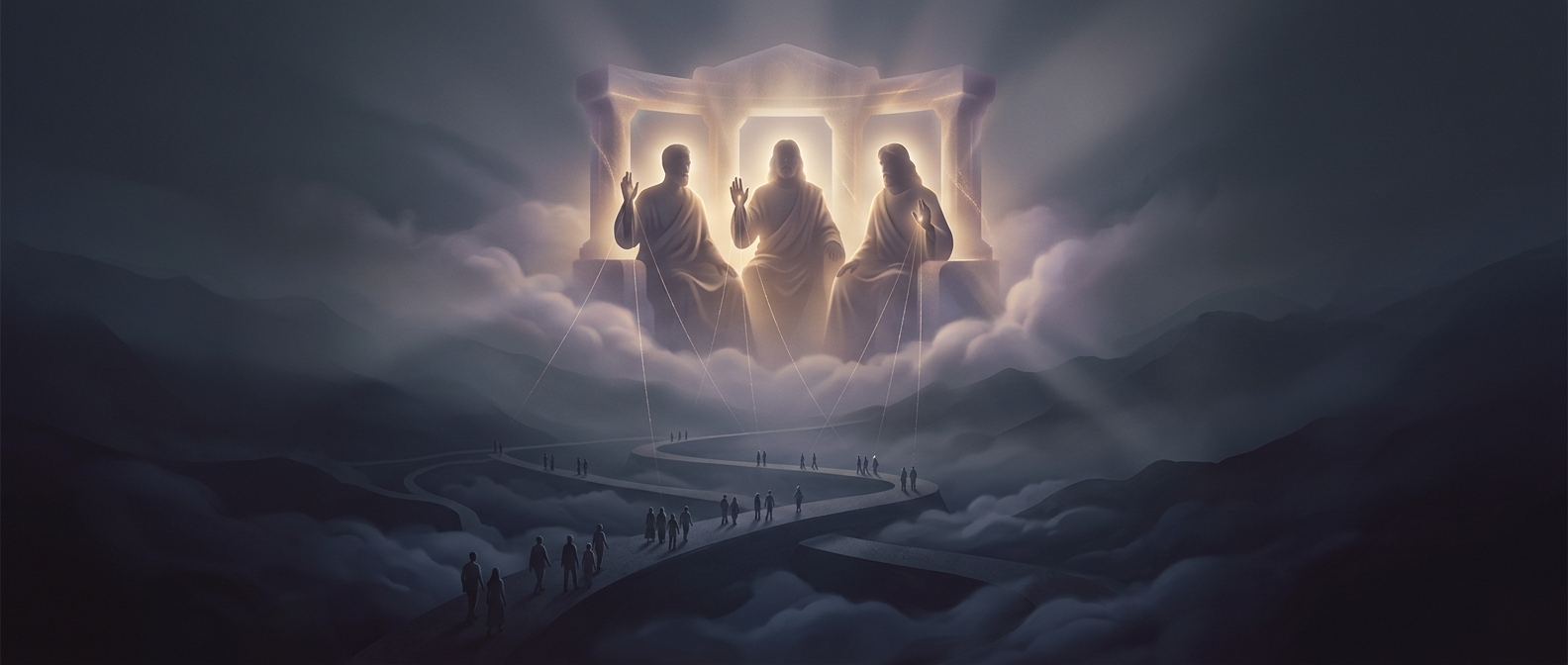
Believers may describe them as teachers, protectors, or guides who influence humanity’s development through inspiration and spiritual instruction. The image of an unseen board of directors is a metaphor for coordinated guidance: it makes a vast, difficult-to-see process feel purposeful and intelligible.
How the Idea Took Shape
The concept draws on older religious themes—saints, sages, compassionate beings, and teachers who aid others—but its modern form is associated especially with Western esoteric movements that grew in the late 19th and 20th centuries. Esoteric traditions present spiritual knowledge as something reached through inner practice or special teaching, rather than through ordinary observation alone.
Different groups tell different stories about who the masters are, what they teach, and how they communicate. Some emphasize meditation and moral discipline; others describe messages received by particular spiritual teachers. These are beliefs within religious and spiritual communities, not findings established by scientific investigation.
Why the Image Matters
The belief offers a way to understand change without assuming that progress is automatic. If human history seems confused or painful, an invisible guide can represent the hope that wisdom is still available and that people can choose to act on it. The practical emphasis often falls on the follower’s own conduct: guidance may be believed to exist, but individuals still have to make decisions and take responsibility for them.
That distinction is the idea’s most concrete implication: the “masters” are unseen, while the choices attributed to their influence are made in ordinary human lives.