Why a Book’s Shape Rarely Fits a Movie
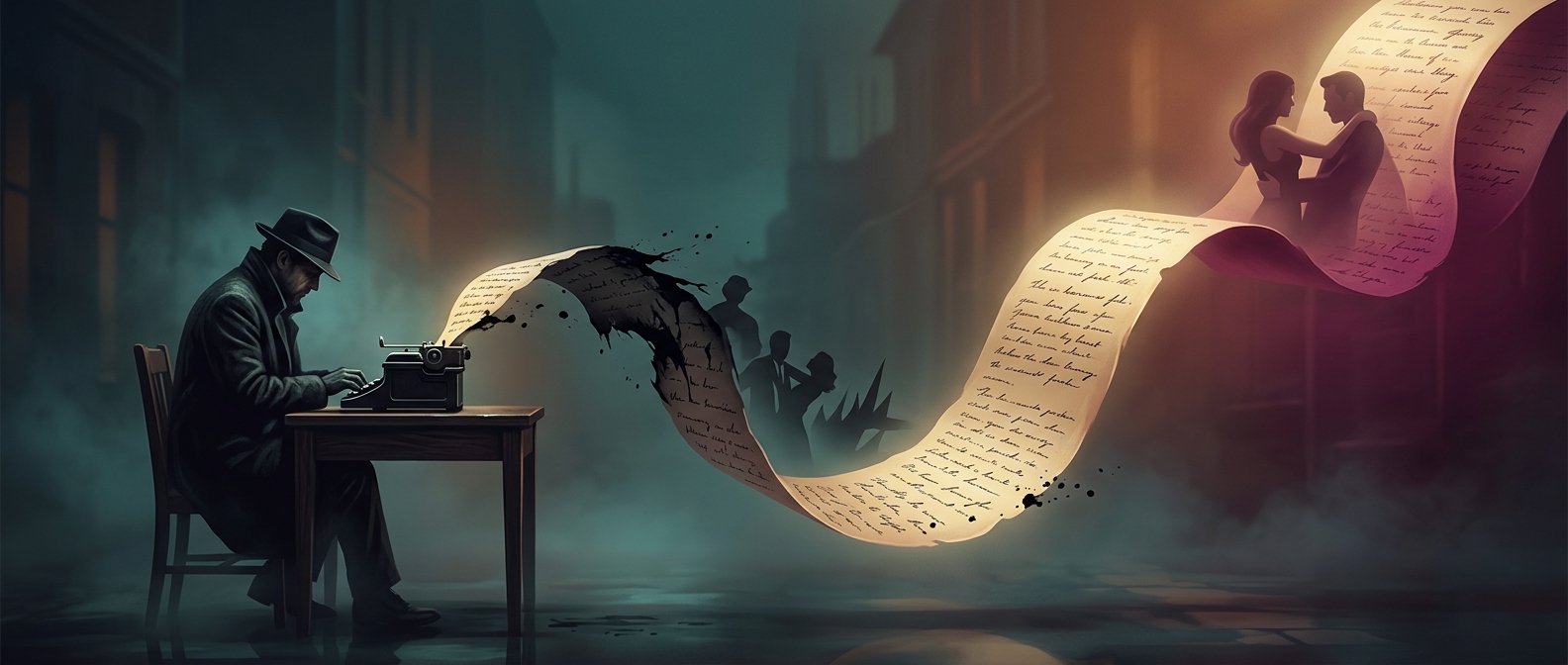
A novel can spend pages on a character’s private thoughts, build suspense through a side plot, or pause for years of backstory. A film has to turn those materials into scenes that can be seen and heard, while still carrying a viewer through a story in a limited stretch of time. The challenge is not simply making the book shorter; it is deciding which parts of its experience the screen version can preserve.
The Story Has to Keep Moving
On the page, a narrator can explain why a decision matters. On screen, that meaning usually has to emerge from action, dialogue, images, or performance. A chapter devoted to reflection may therefore be replaced by a brief scene—or removed if its information is already conveyed elsewhere. Plots that depend on many detours can also lose momentum when translated into a feature-length structure.
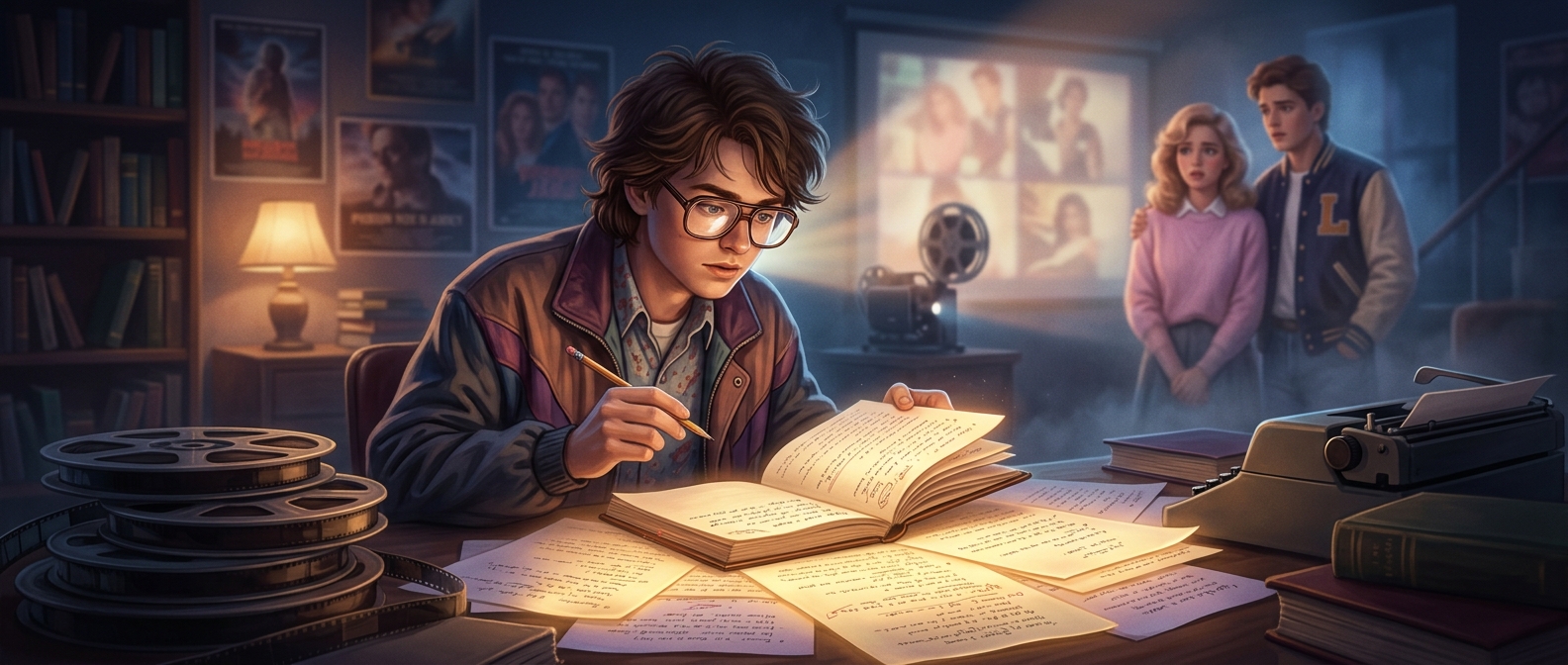
Those cuts have consequences. Removing an episode may erase not just an event, but the gradual change it caused in a character. Screenwriters often look for a smaller set of scenes that can carry several jobs at once: reveal a relationship, move the plot forward, and show a character changing.
What Compression Changes
Combining characters is one way to achieve that compression. A single screen character might take on functions that the book distributes among several people, making relationships easier to follow without adding more introductions and subplots. But the change can alter who makes a decision, who receives credit or blame, and how the story’s themes come across.
That is why adaptation is a process of tradeoffs, not a chapter-by-chapter transfer. A film may preserve the book’s central conflict while changing the route to it—and the scenes left out can shape the meaning of what remains.