Why a critic might get the least glamorous table
A restaurant cannot quietly give special treatment to a critic it does not recognize. Many reviewers therefore dine without announcing who they are, aiming to experience the meal as an ordinary customer would. If staff do not know a guest’s identity, the usual seating decisions apply: the table available at that moment, the size of the party, and the room’s practical constraints.
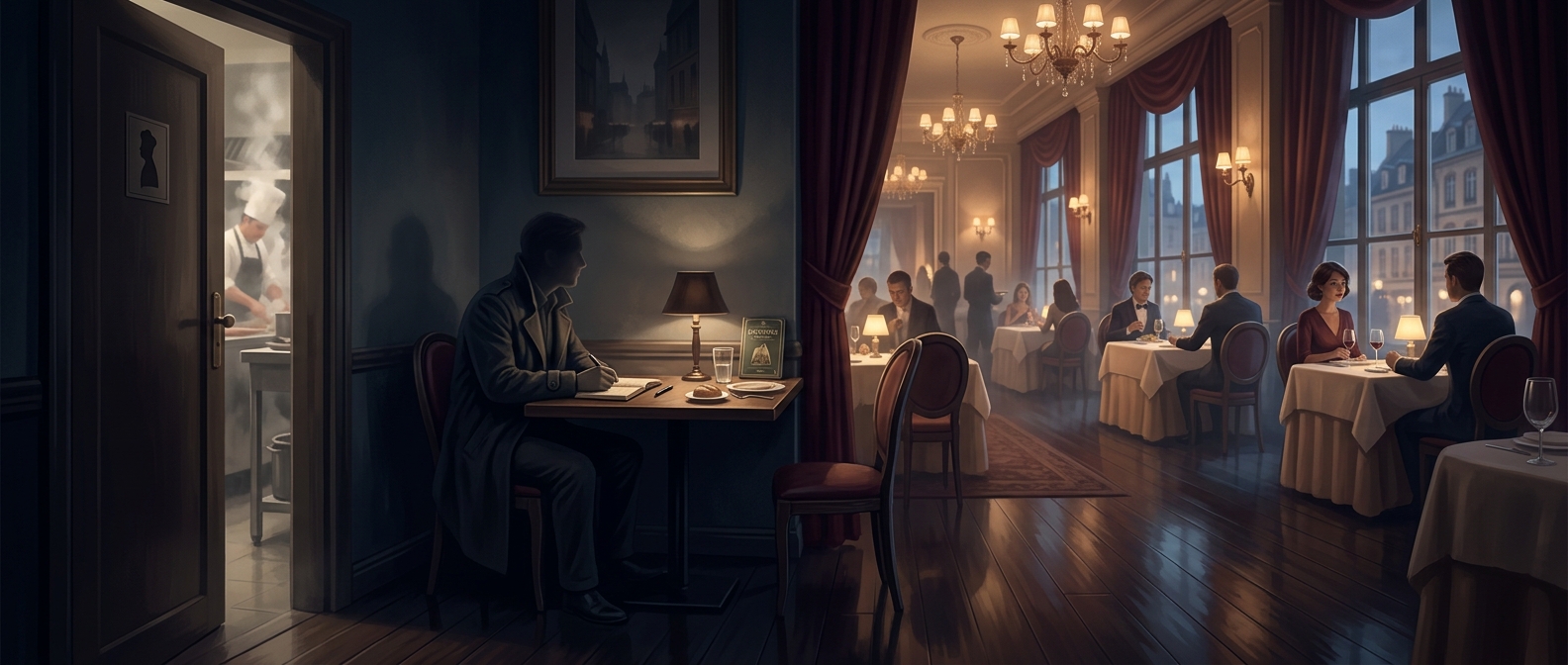
That can put a diner near the kitchen door. The spot may be convenient for service or simply the one left open, but it comes with a tradeoff: swinging doors, clattering dishes, and staff moving in and out can compete with conversation. A table that looks ordinary on a floor plan can feel very different once the restaurant is busy.
The awkward seat is part of the experience
For a reviewer, that setting can reveal more than the food alone. Noise, crowding, and how smoothly the room functions shape what a customer actually experiences alongside the meal. A kitchen-side table may make it harder to talk, but it also gives the critic no privileged view of the restaurant—just the same imperfect seat another diner might receive.
Anonymity cannot guarantee that every visit is perfectly typical. But it can prevent a restaurant from preparing a special welcome, leaving the critic to discover the room one table at a time.