A familiar design can carry someone else’s rights
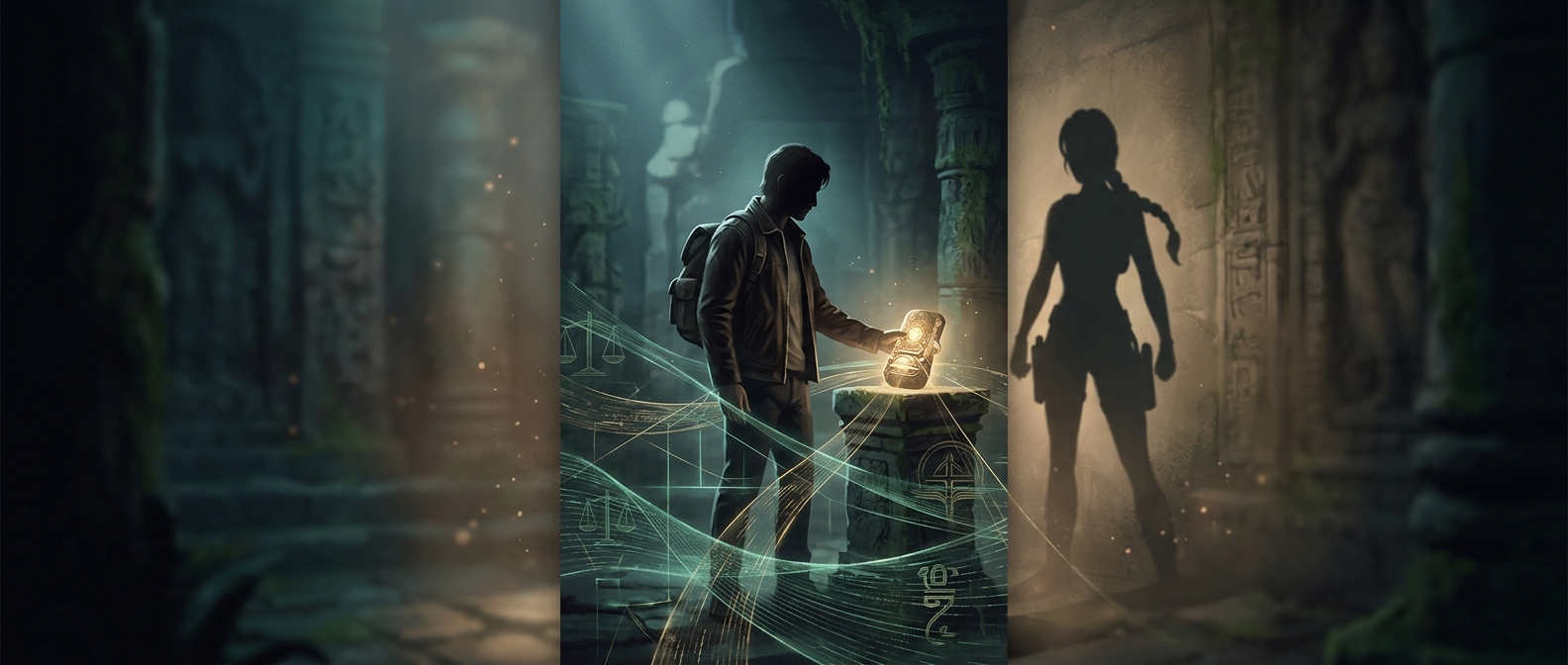
A player-built scene may look like a harmless homage, but copyright questions turn on what it reproduces, not just why it was made. A character’s distinctive appearance, costume, dialogue, or backstory can be protected creative expression. So can the detailed visual design of a fictional place. By contrast, a broad idea—such as a masked hero or a haunted castle—is not owned in the same way. The difficult line is between borrowing a general concept and copying recognizable details.
A recreation can also involve several kinds of material at once: a character design, a film’s setting, and music or logos added to make the scene feel complete. Each element can raise a separate rights question. Calling the work a tribute, or offering it for free, does not automatically settle those questions; the key issue is what was used and whether the use is authorized or otherwise legally permitted.
Why platforms face a design problem
Open-ended building tools make it easy to turn a reference into a playable space: players assemble shapes, dress characters, and share finished creations. That same ease makes it hard for a platform to draw a simple rule between a broad inspiration and a near-copy. A blanket ban on recognizable references could suppress ordinary fan creativity, while leaving every decision to individual creators can expose the platform and its users to complaints from rights holders.
Platforms therefore have to balance creative freedom with ways to respond when a rights holder objects. A complaint may lead to a creation being reviewed or removed, even if its maker intended no harm. For builders, the practical consequence is that changing a few names may not be enough if the distinctive visual details remain. The safest route is to make those details genuinely their own—or use material they have permission to include.