How StumbleUpon made the web feel like a place to wander
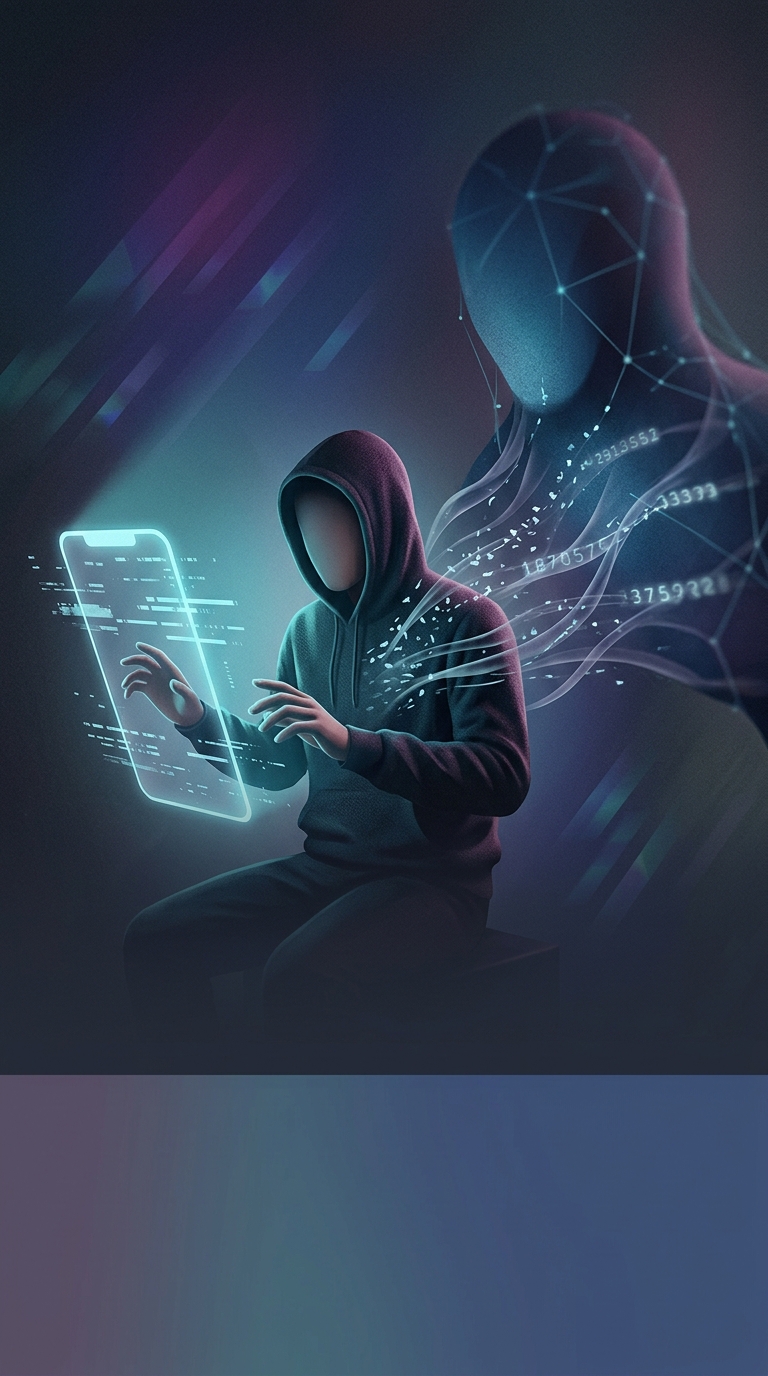
StumbleUpon turned browsing into a simple loop: choose subjects you liked, press a button, and land on a page you probably would not have found through a search. The service—whose button gave the experience its name—offered a different path through the web, one built around unexpected encounters rather than a question and a list of results.
The “random” page was guided by people
A stumble could feel arbitrary, but the selection was not simply a draw from every page online. The service relied on webpages that had been submitted or encountered by users, along with feedback such as ratings and stated interests. Those signals helped steer the next recommendation toward a person’s tastes.
That created a useful balance: enough relevance to keep the next click interesting, but enough uncertainty to make it feel like a discovery. A page about an unfamiliar sea creature might lead to an obscure craft tutorial—not because either was the obvious answer to a search, but because both could appeal to someone’s interests.
Discovery became the activity
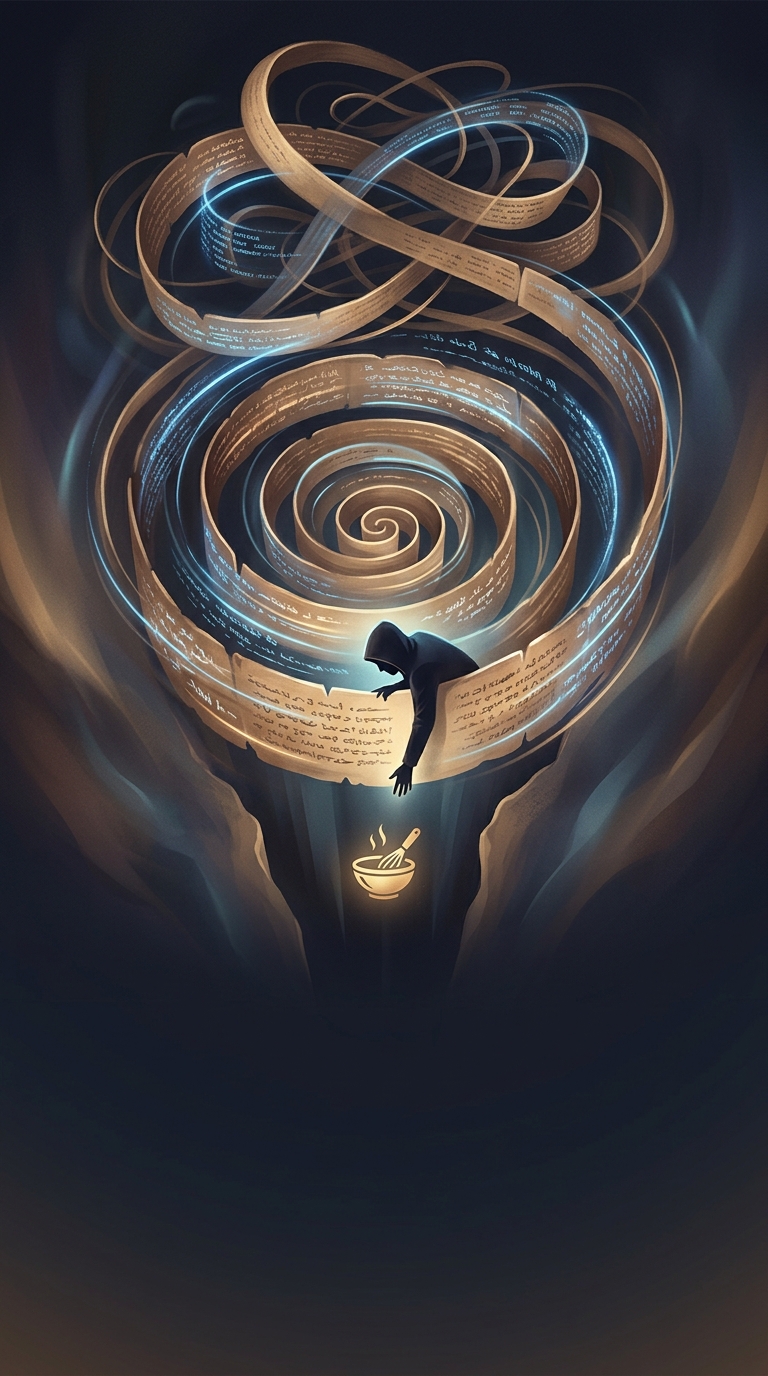
Search engines are built to help people reach a known destination. StumbleUpon made the detour itself the point. Its appeal came from lowering the effort required to find something surprising: users did not need the right words, or even a clear idea of what they wanted to see. The button transformed the web from a place to look things up into a place to explore.