Why a ship’s limit changes with the water
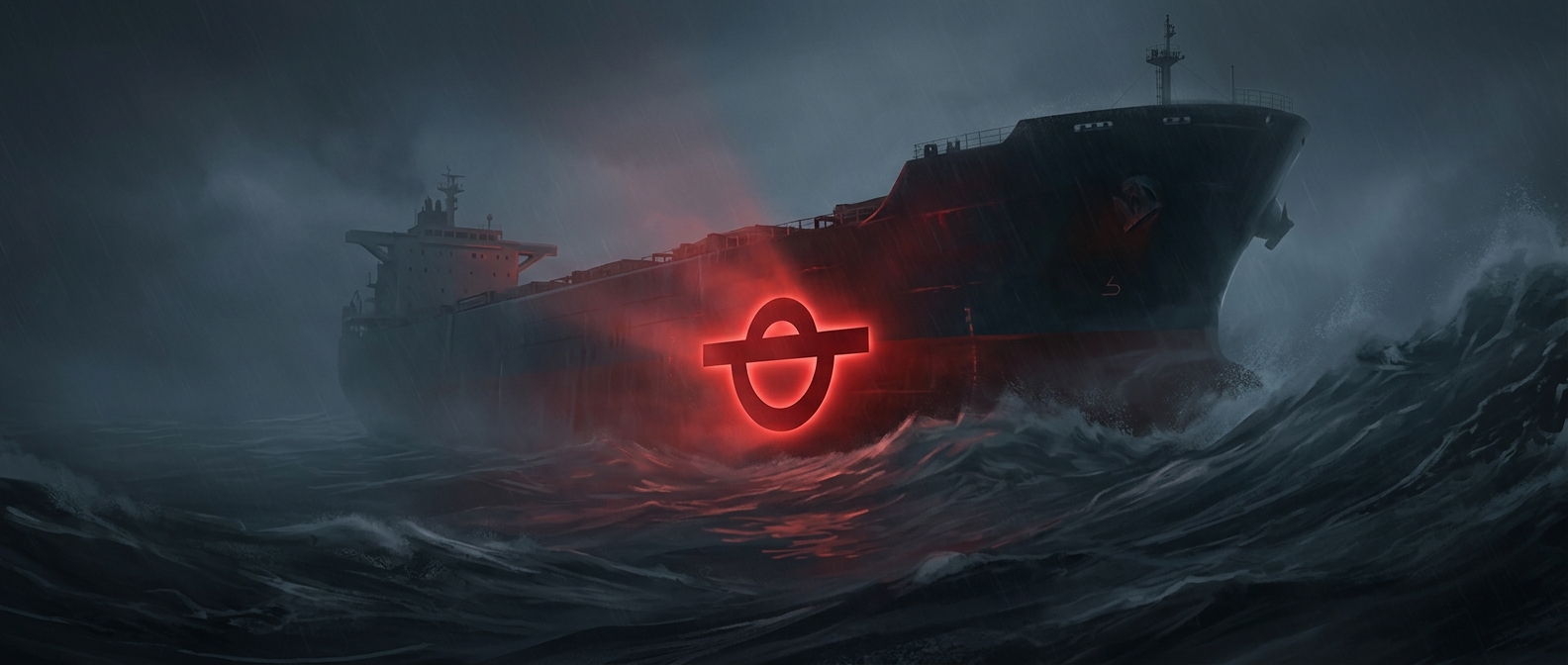
A loaded ship sinks lower because its hull must push aside enough water to support the combined weight of the vessel, cargo, fuel, and people. The load line turns that basic buoyancy rule into a practical limit: it shows how much of the hull may be underwater under specified conditions.
The mark is not always a single, identical boundary. A ship may carry several lines for different water conditions and seasons. Fresh water is less dense than seawater, so a vessel must sit deeper in it to displace the same supporting weight. Rougher seasonal conditions call for more hull to remain above water, leaving extra room to ride waves.
The margin that waves can use up
The hull above the water is called freeboard. It is more than a visible strip of steel: it is part of the ship’s reserve against waves washing over the deck. If a vessel rides too low, waves can reach deck openings more readily. Water coming aboard adds weight, pushing the ship lower still; if flooding continues, the vessel can lose stability and become harder to control.
That is why loading limits account for more than whether a ship floats in calm water. The line preserves a margin for changing conditions at sea. It also gives inspectors and crews a visible way to check whether the vessel has been loaded beyond its permitted limit.
A boundary with an economic cost
Every extra cargo load can make a voyage more profitable, but loading beyond the mark spends the safety margin the ship needs when conditions worsen. The line makes that tradeoff visible at the hull: cargo can be added only until the water reaches the boundary allowed for that voyage. Once it does, the remaining space above the water is not wasted capacity—it is protection the ship may need when the sea rises.