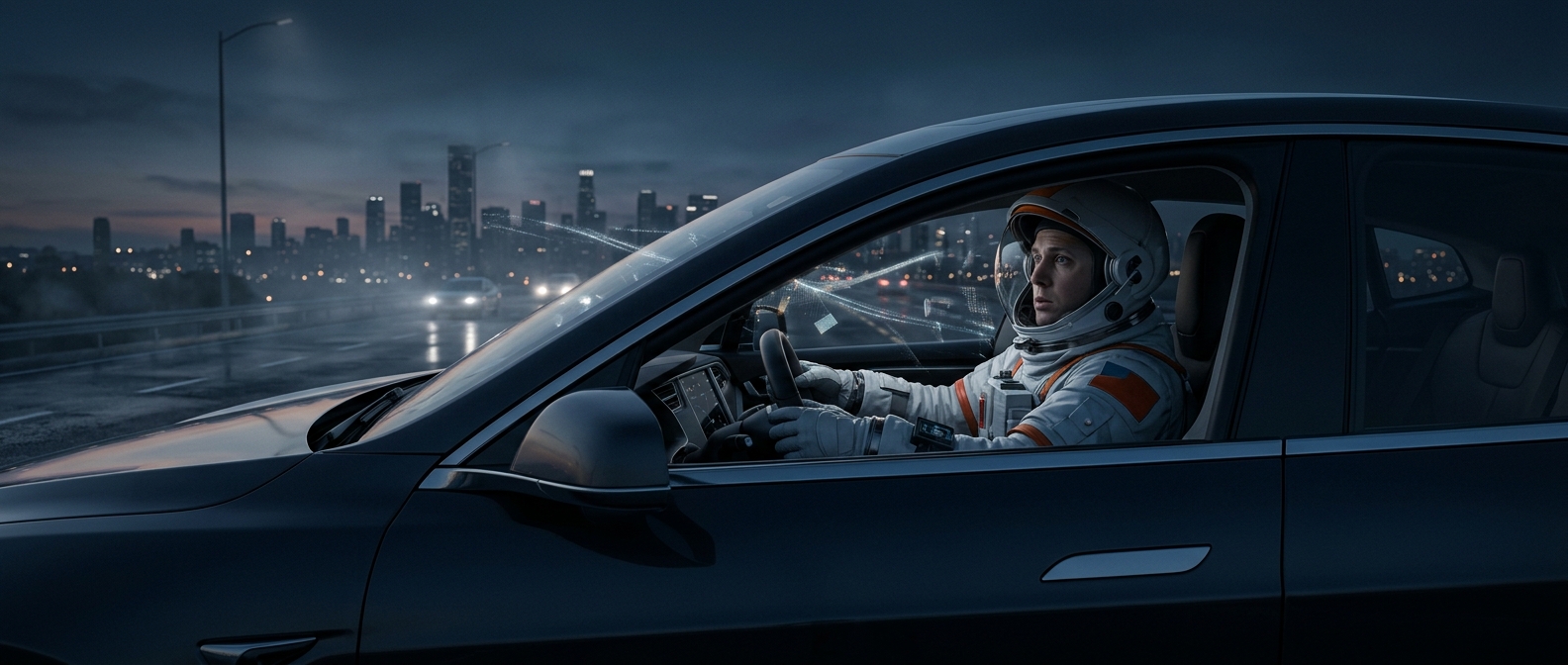
Why Earth’s motion can feel unfamiliar after orbit
On Earth, the inner ear helps the brain track movement and orientation. Tiny sensors called otoliths detect gravity and straight-line acceleration; fluid-filled canals detect rotations of the head. The brain combines those signals with what the eyes see and what the body feels through its muscles and joints.
In orbit, weightlessness changes that arrangement. The otoliths no longer provide their usual steady sense of which way is down, and the brain adapts to movement without that familiar gravitational reference. After returning to Earth, gravity is back immediately, but the nervous system may need time to make its signals work together smoothly again.
Why driving demands those adjustments
Driving is a stream of small, fast judgments: a driver turns their head to check a mirror, feels a vehicle change speed, and keeps the eyes and body oriented while the road moves past. If balance or spatial orientation feels unsettled, those ordinary cues can be harder to interpret. A driver may feel disoriented even when their vision is clear.
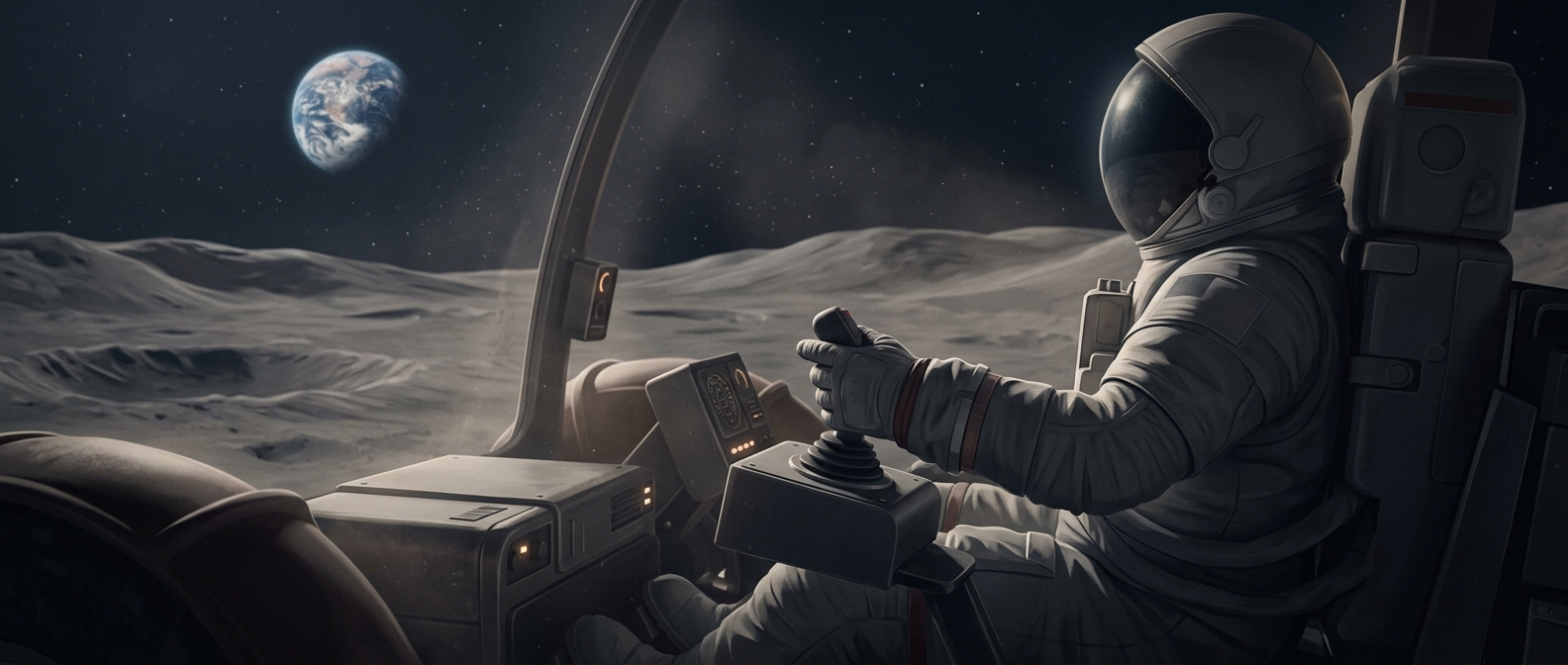
That is why the issue is not simply whether an astronaut can sit upright or operate a steering wheel. Safe driving depends on coordinated perception and quick responses while the vehicle is moving. Letting someone else handle the first trip avoids adding those demands while the body and brain are readjusting to gravity.