A city hemmed in by mountains and ice
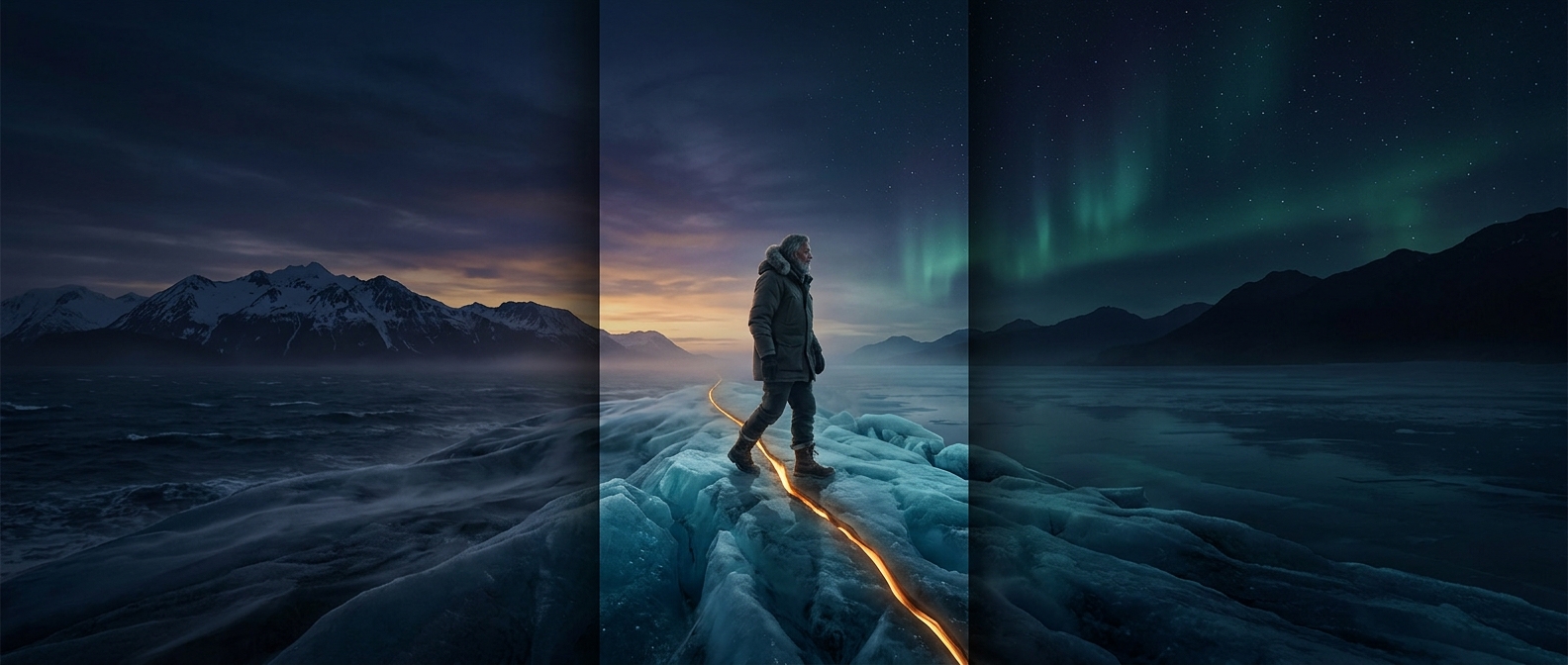
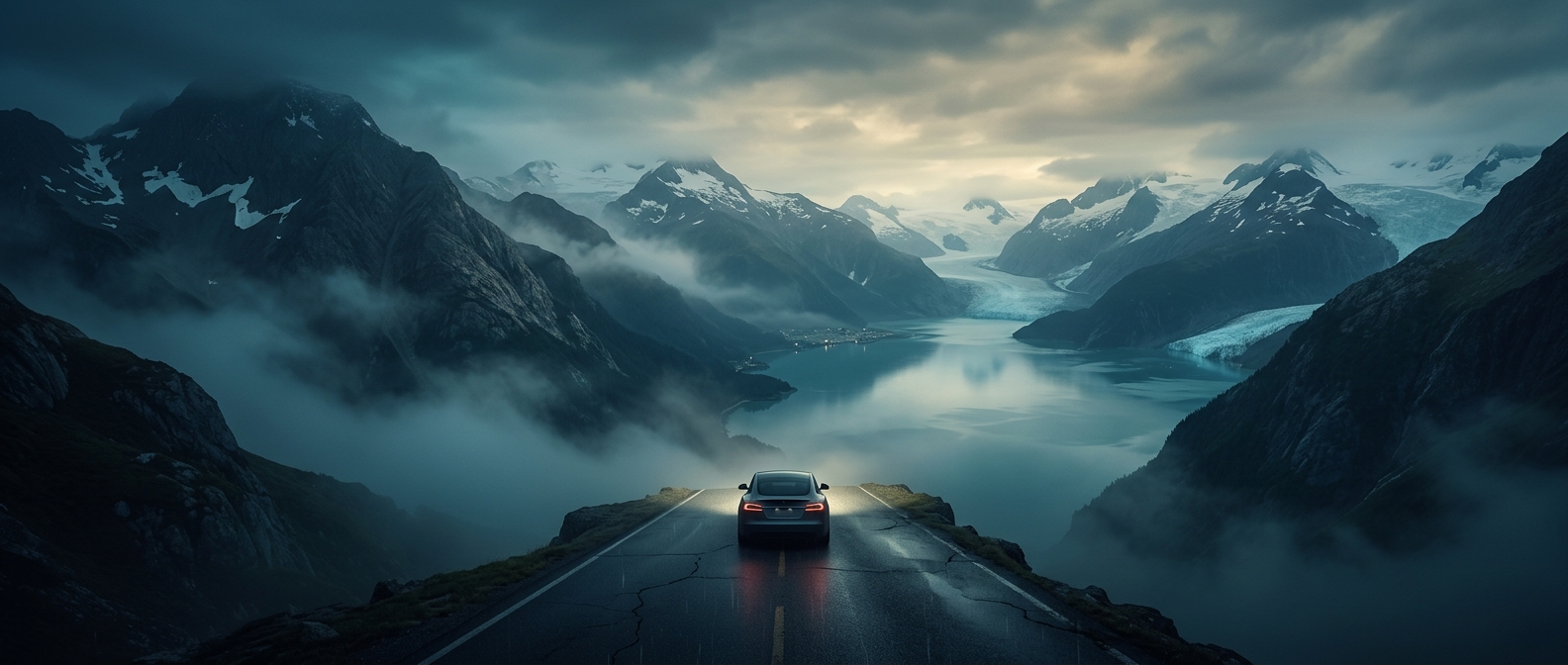
Juneau sits on Alaska’s panhandle, where the Coast Mountains rise steeply beside narrow waterways. The Juneau Icefield—a broad expanse of interconnected glaciers and snowfields—spreads across the mountains behind the city. Together, this rugged terrain leaves no practical route for a highway to connect Juneau with Alaska’s interior or the rest of the continental road network.
That does not mean Juneau has no roads. Streets link neighborhoods and extend toward nearby communities, but they stop short of an overland route out. Continuing a highway would mean finding a pass through steep mountain country and around major ice and glacier terrain, rather than simply extending a road across open land.
The water and sky become the way out
The geography makes transportation work differently from that in most state capitals. People and freight reach Juneau by air or by water; the Alaska Marine Highway ferry system carries passengers and vehicles between coastal communities. A car can travel on Juneau’s local roads, but it cannot be driven from there onto a road leading to the rest of North America.
The consequence is visible in everyday logistics: a trip that would be a drive between connected cities becomes a flight or a sea journey, with weather and schedules playing a larger role. Juneau’s isolation is not simply a matter of distance—it is the shape of the land that makes the final connection difficult.