Why counterfeiters would spend more on materials
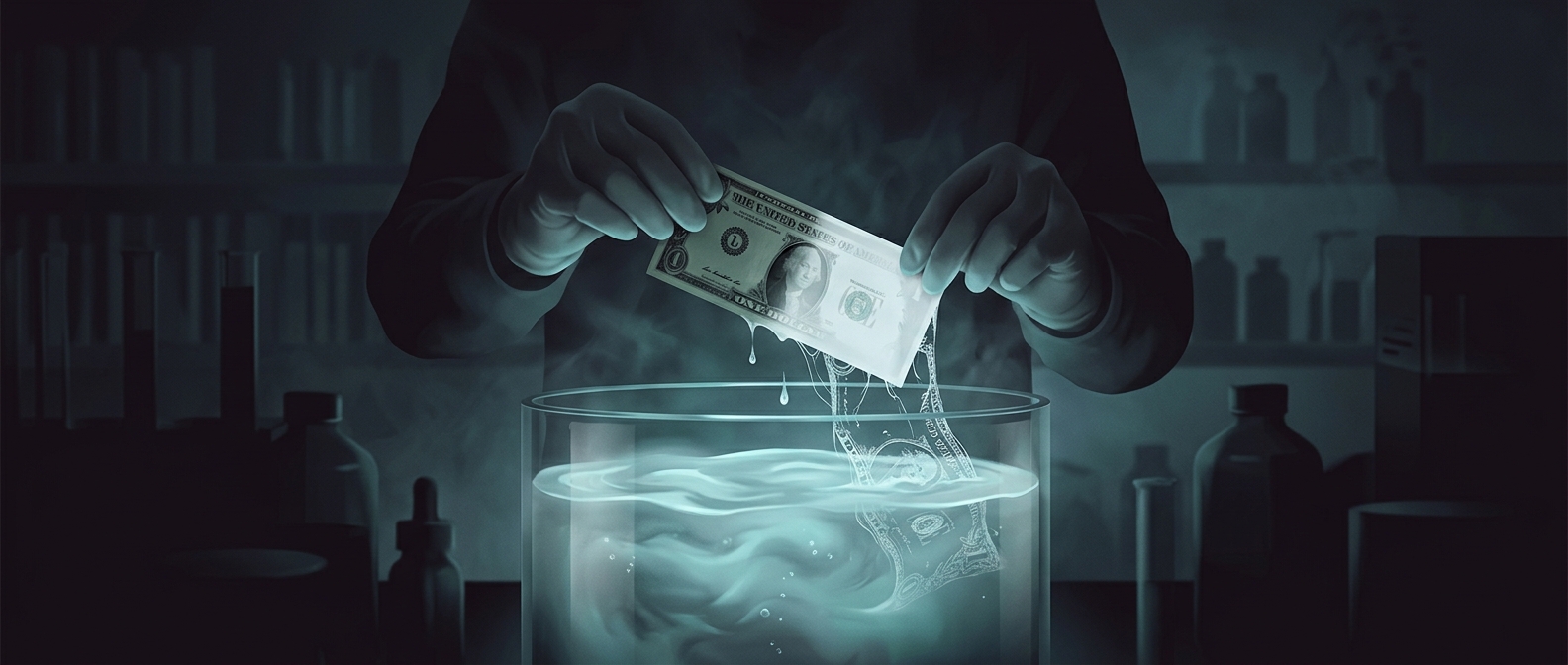
Most counterfeiters try to protect their profit by making each fake as cheaply as possible. The alleged North Korean “superdollars” took a different approach: reports described them as using the cotton blend and ink found in genuine $100 bills. That choice would raise production costs, but it could also make the notes harder to distinguish by touch and appearance.
A banknote is a system of clues, not just a picture printed on paper. Its substrate—the material it is printed on—has a particular feel, and its ink affects how colors and fine details appear. A fake made with noticeably different materials may give itself away before anyone studies the design closely. Matching those materials removes some of the easiest warning signs.
Better materials do not make a genuine bill
Using authentic or matching materials is only one part of imitation. A counterfeiter must also reproduce the printing, fine lines, portraits, and other features that help people and machines recognize a note. Even a convincing-looking bill can fail checks that rely on details not readily visible to the naked eye.
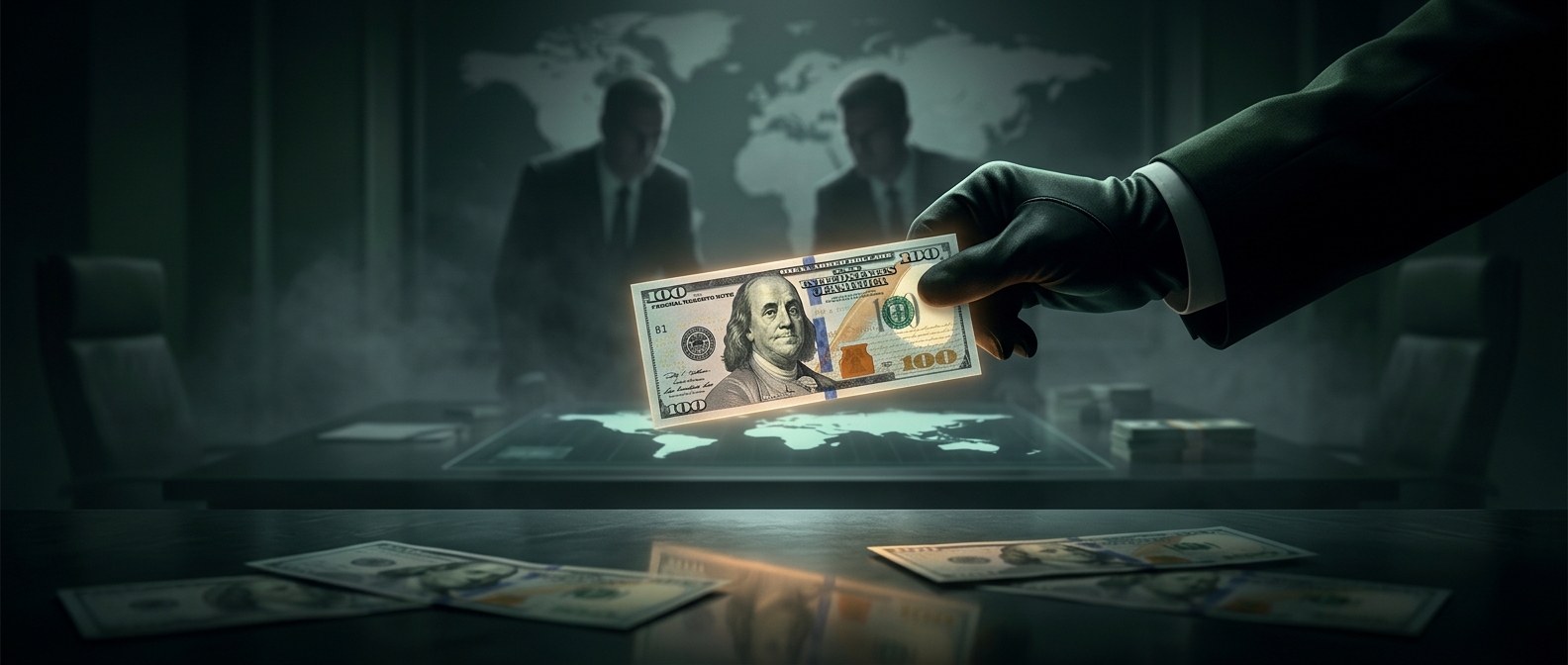
The tradeoff is economic: spend more on each note to improve its chances of passing, while accepting that production and distribution still carry costs and risks. The label “superdollar” reflects the unusual reported quality of these fakes—not proof that every note was perfect or that its alleged state sponsor has been established beyond dispute.
The cost of a convincing fake
High-quality counterfeits matter because they make routine detection less reliable. If a fake passes an initial hand-to-hand exchange, the loss may surface only later, when a bank or business rejects it. At that point, the person holding it may bear the cost despite having accepted it unknowingly.
The paradox is what makes the story memorable: the counterfeiters allegedly spent extra to imitate the very materials that make a dollar feel like a dollar, turning a cheap shortcut into a more expensive attempt to buy trust.