A private room with unusually influential guests
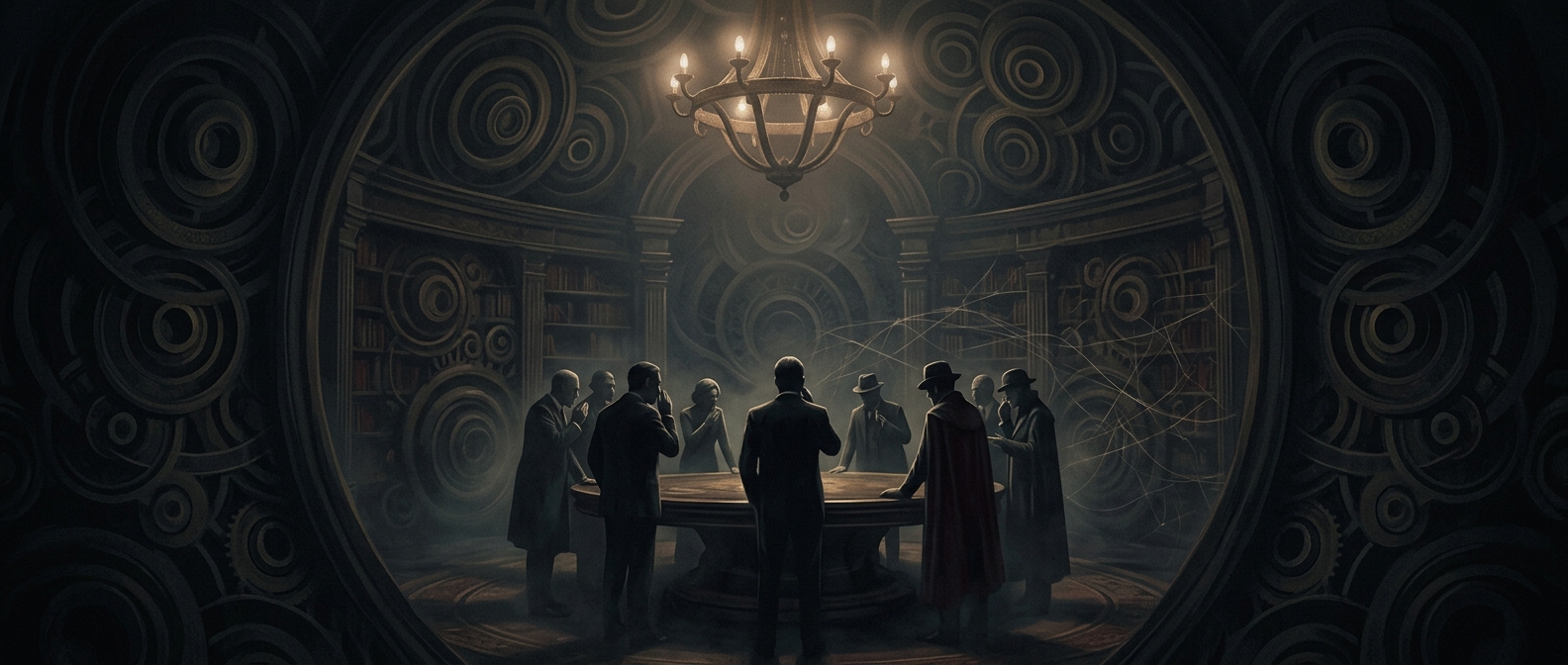
Bilderberg began in 1954 as a small conference intended to encourage conversation between people from Europe and North America. It still meets privately, bringing together figures from politics, business, media, academia, and other fields. The guest list changes from year to year, and the meetings are not public debates or formal negotiations.
That format matters. Participants can discuss international issues without delivering prepared speeches for public consumption. But the same privacy that may make candid conversation easier also keeps outsiders from hearing exactly what was said.
What secrecy can—and cannot—show
The conference’s privacy is not, by itself, evidence that its attendees decide government policy together. A private gathering can create opportunities to exchange views, build relationships, and learn how influential people are thinking. Those are real forms of access, but they are different from issuing orders or making binding decisions.
Bilderberg meetings do not produce public votes or agreements that attendees are required to carry out. Without a public record of the conversations, however, it is difficult for outsiders to assess their influence. That gap leaves room for speculation to grow beyond what the meeting’s format alone can establish.
Why the format keeps attracting suspicion
The ingredients are easy to connect into a dramatic story: prominent people gather behind closed doors, discuss consequential subjects, and leave without publishing a transcript. The less the public can inspect, the harder it is to distinguish ordinary private discussion from coordinated action. Rumors can then treat the presence of powerful guests as proof of a hidden plan, even though attendance does not demonstrate agreement or control.
The lasting tension is therefore not simply that powerful people meet. It is that a private forum offers them direct conversation while giving the public little evidence with which to judge what that conversation changed.