A chamber cut into the mountain
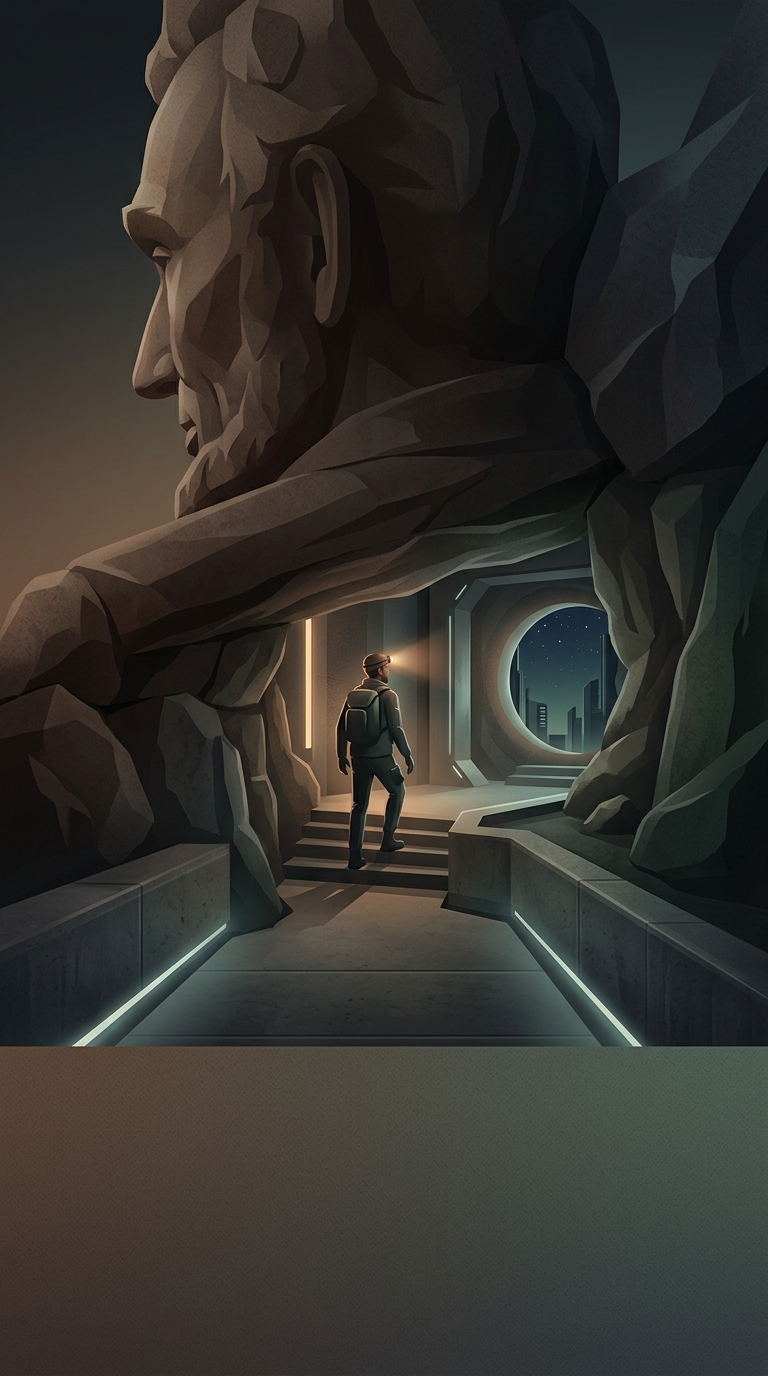
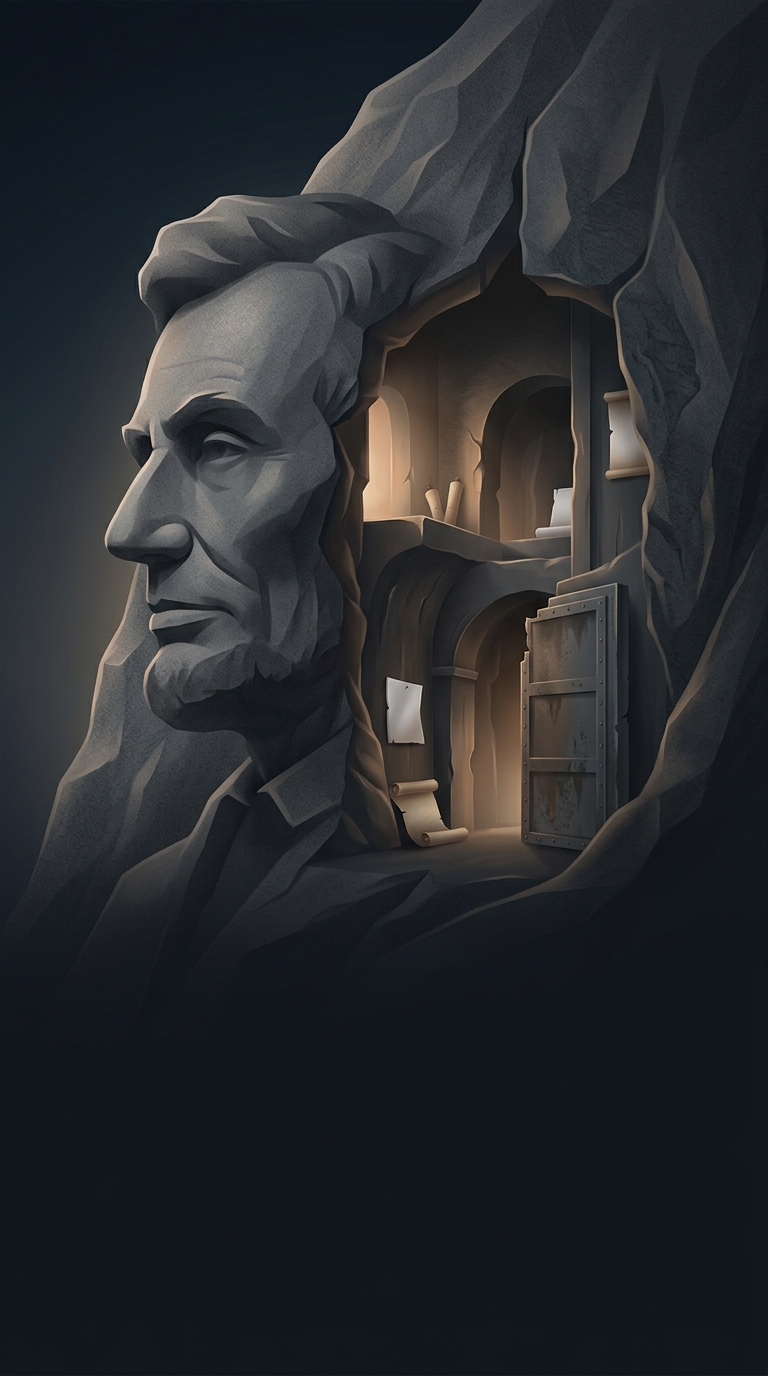
The room behind Abraham Lincoln’s head began as part of sculptor Gutzon Borglum’s plan for more than a monumental portrait. He wanted Mount Rushmore to preserve a record of the nation’s history for people who might encounter it far in the future. Workers blasted a tunnel into the granite behind the sculpture; at its end, they began a chamber intended to become the Hall of Records.
The plan was ambitious: the chamber was to hold important American documents and explanations of the country’s history. But it was never completed as a visitor-ready archive. Work on the monument shifted toward finishing the carved faces, and the project ended without the grand interior Borglum had envisioned.
What went into the unfinished space
Decades later, the chamber received a smaller, more durable record. In 1998, a titanium vault containing porcelain enamel panels was placed inside. The panels describe Mount Rushmore and preserve texts and information about the United States, including material related to the Declaration of Independence and the Constitution. They are not an open exhibit: the vault was sealed beneath a granite capstone.
That distinction is what makes the room unusual. It is neither a conventional archive, where visitors can browse documents, nor simply an empty cavity in the rock. The unfinished Hall of Records became a sealed message to the future, carrying a compact account of the monument and the country it was meant to represent.