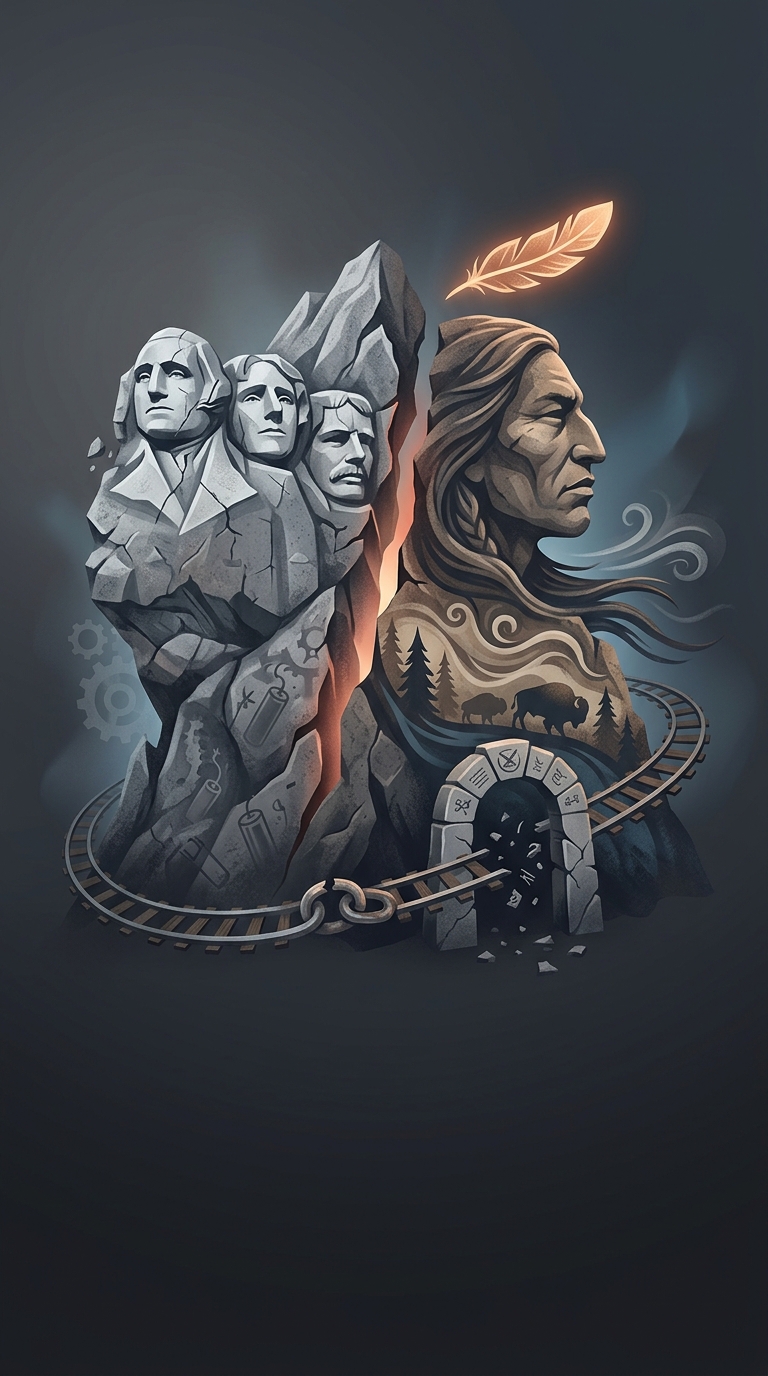
A monument on land taken from the Lakota
The Black Hills are not simply a scenic backdrop. The Lakota have long regarded them as sacred, and an 1868 treaty with the United States set the hills aside for the Sioux. After gold was discovered there, settlers and prospectors poured in. The federal government ultimately took control of the region, despite the treaty. In 1980, the U.S. Supreme Court upheld an award of compensation for the taking; the Lakota rejected the money, maintaining that the land itself should be returned.
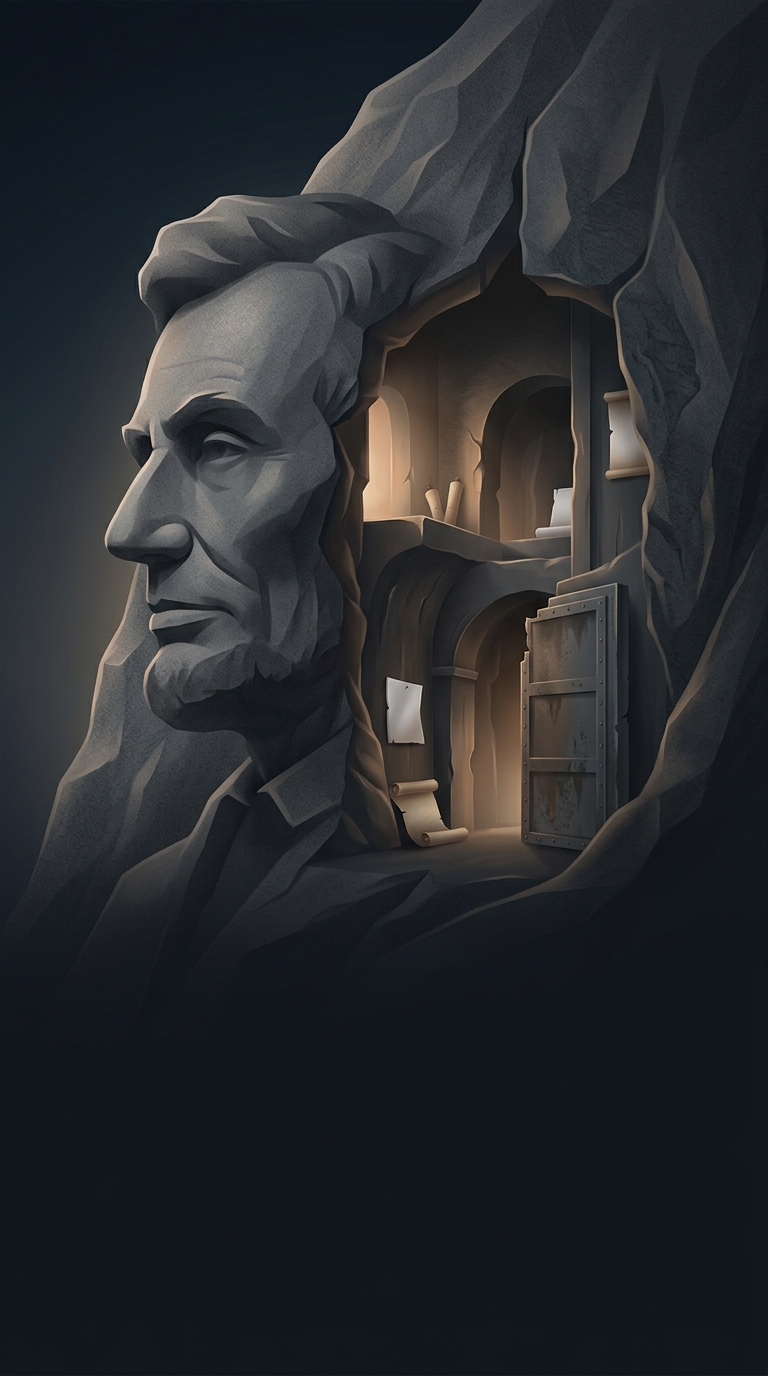
That history gives the monument a meaning beyond its carved faces. To many visitors, it represents national leaders and American ideals. For many Lakota, its presence on land seized from their people makes it a visible reminder of broken agreements and continuing dispossession.
How the mountain became a monument
Sculptor Gutzon Borglum designed the project, which was carved between 1927 and 1941. Workers used dynamite to remove large amounts of granite, then drilled and shaped the remaining rock. The scale of the work made the monument an engineered transformation of a mountain—not an image placed on an untouched landscape.
Borglum’s politics also matter to the project’s context. He had ties to white-supremacist causes, including an association with the Ku Klux Klan during his earlier work on the Confederate memorial at Stone Mountain, Georgia. The monument’s public story of national unity therefore sits alongside a more troubling history: the land’s seizure, the exclusion of Indigenous perspectives, and the racial politics surrounding its designer.
The contrast is part of what makes Rushmore consequential: the same faces that draw tourists to the Black Hills also prompt questions about who gets to define a national monument—and whose history it leaves out.