A landmark trapped between two Berlins
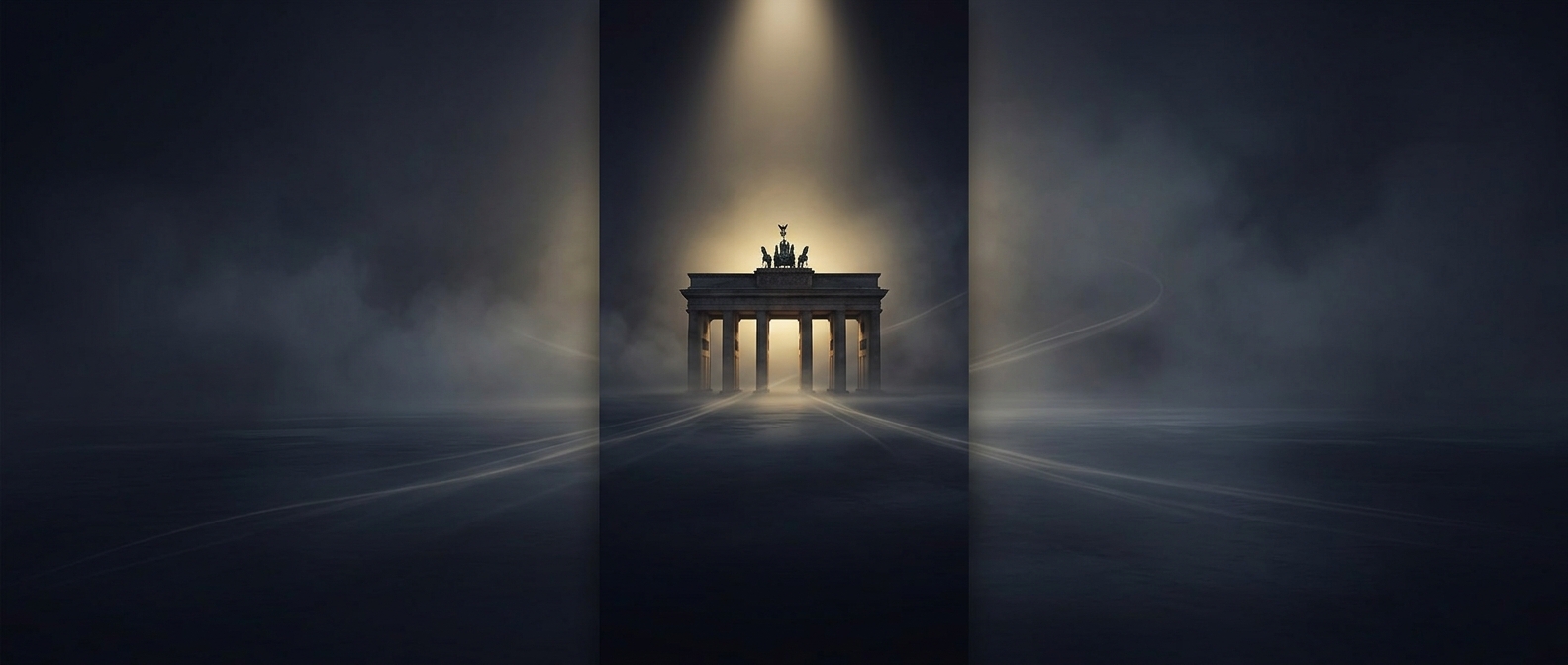
After the Berlin Wall went up in 1961, the Brandenburg Gate was left on the East Berlin side, close to the border that divided the city. The surrounding area became part of a tightly controlled strip, not an ordinary public square. East German authorities closed access to the gate, while the Wall and other barriers made the approach from West Berlin impossible. A monument once built as a city entrance became a sightline across a sealed frontier.
Why the gate stood empty
The gate’s position made it unusually exposed. It stood near the Wall, in a zone where guards could monitor movement and where people were not free to gather or cross. From the western side, visitors could look toward it from observation points, but they could not walk up to it. On the eastern side, restrictions also kept the gate from functioning as a normal civic landmark.
That isolation gave the Brandenburg Gate a meaning beyond its architecture. Its neoclassical columns and chariot statue were visible to both halves of the city, but the structure itself was inaccessible—a reminder that Berlin’s division was built into everyday geography.
From border marker to meeting place
When the Wall opened in November 1989, people began crossing through the border near the gate, and crowds gathered around it. The barriers that had made the monument a lonely silhouette were removed, restoring the possibility of approaching it from both sides. The gate’s change was immediate and tangible: a place once seen across a no-man’s-land became a shared public space again.
That is why photographs of the gate’s isolation can feel so striking. The monument had not moved; the political boundary that dictated who could reach it had.