Why Comics Became a Youth-Culture Scapegoat
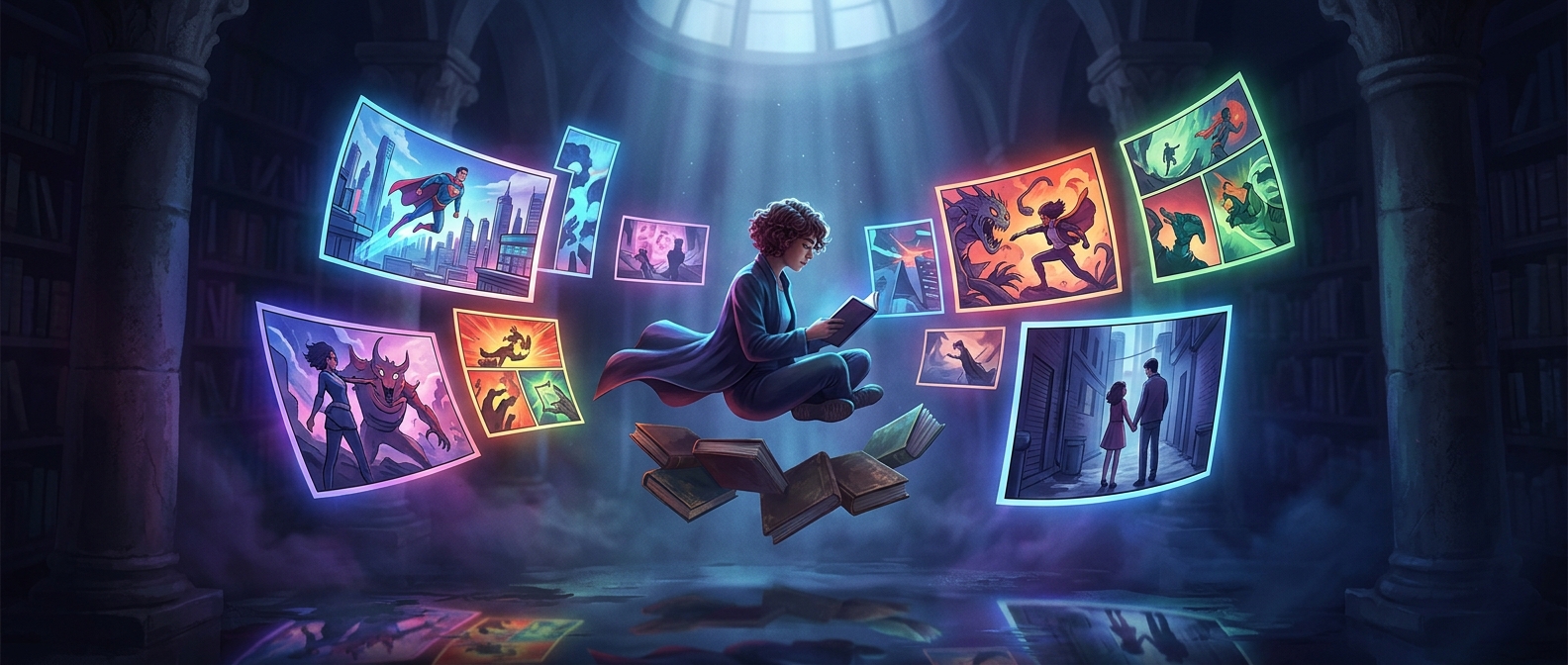
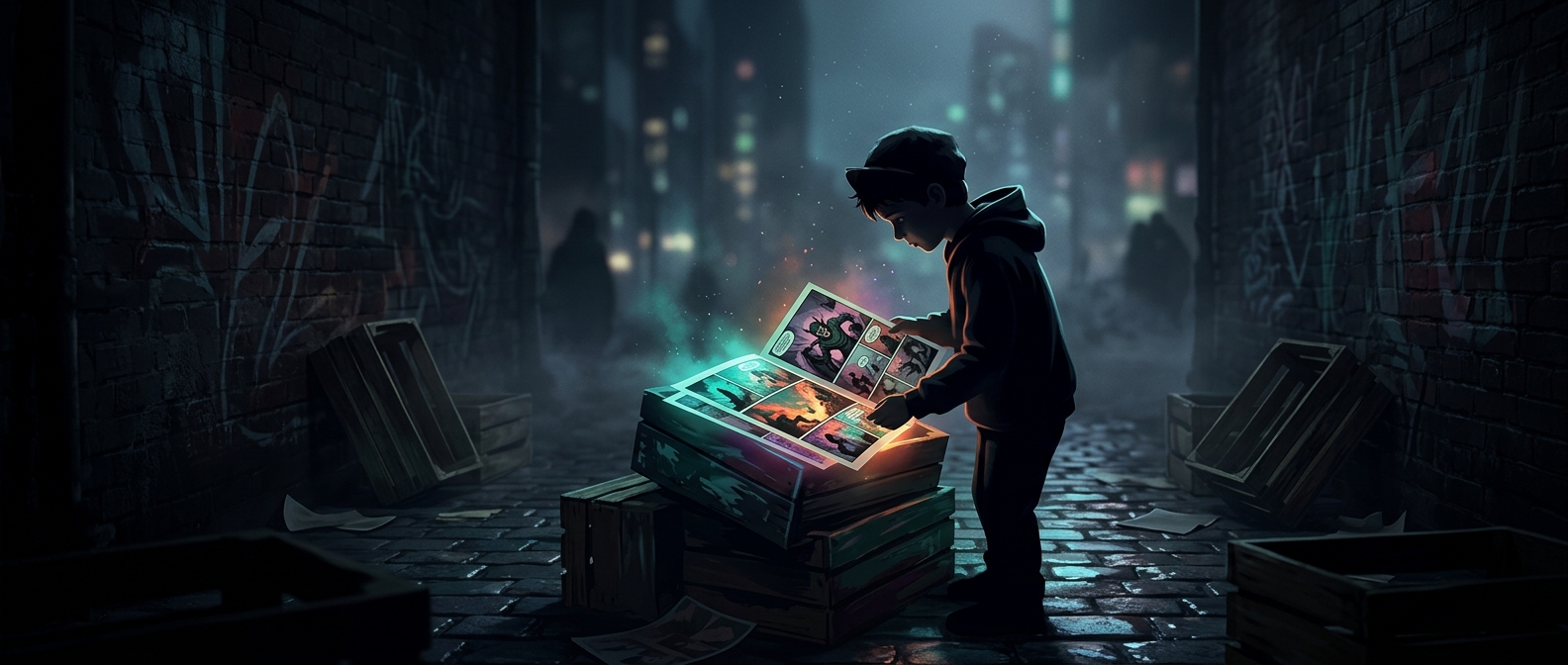
In the mid-20th-century United States, comic books were cheap, vivid, and easy for adults to see in a teenager’s hands. As concern about juvenile delinquency grew, some critics treated violent or sensational stories as a direct cause: show teenagers crime, horror, or rebellious heroes, they argued, and teenagers might imitate them. Spandex-clad superheroes and vampires made convenient symbols of a medium adults often regarded as childish and difficult to supervise.
The argument also blurred very different kinds of comics. Crime stories and horror titles drew especially sharp criticism, but the suspicion could spread to the medium as a whole. A lurid panel seemed more immediate than a passage in a book: the threat was pictured plainly, while the reader’s interpretation was harder to see.
The Industry Tried to Control the Damage
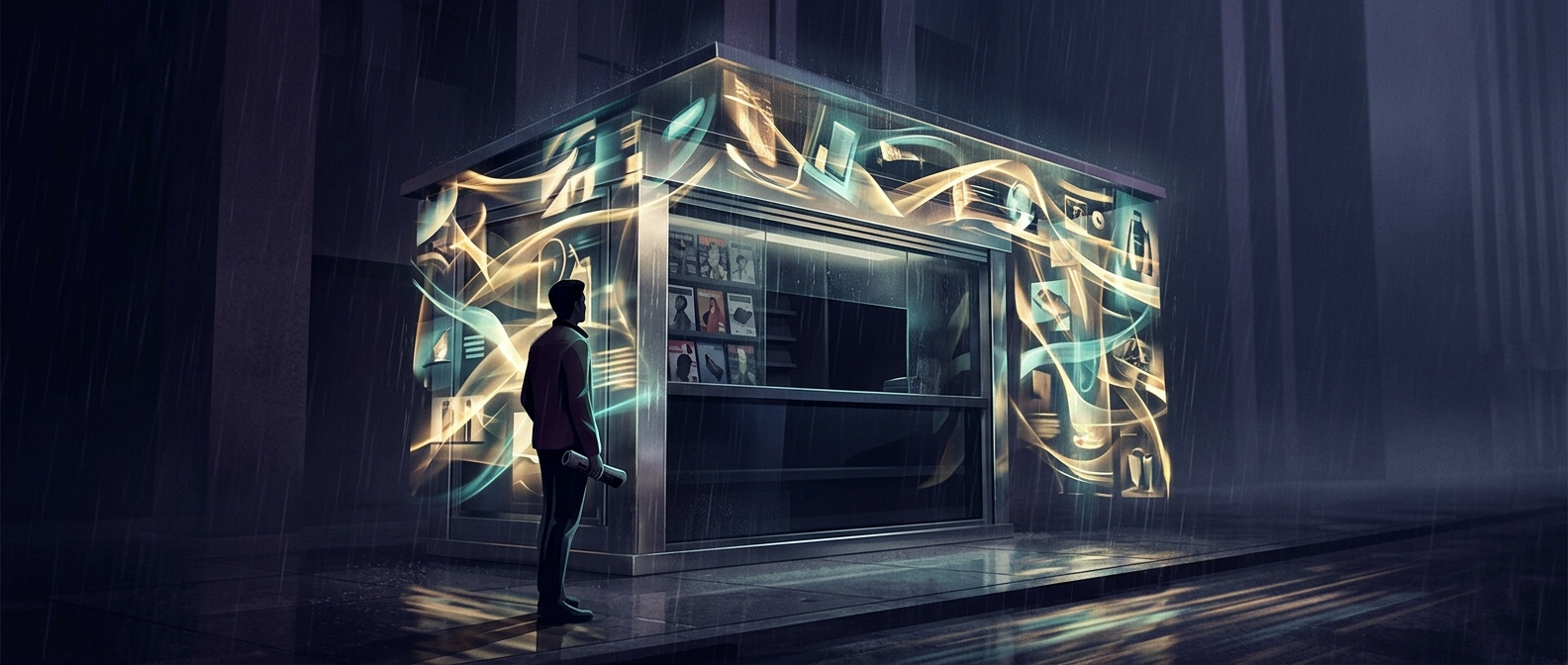
Facing public pressure and the prospect of government intervention, comic publishers adopted a voluntary content code in the 1950s. Its restrictions sharply limited horror imagery and depictions of crime, among other material. Publishers who followed the code could display its approval seal, an important reassurance to retailers and parents.
That response helped preserve comics on newsstands, but it also narrowed what publishers could print. The episode is worth remembering because the debate was not only about frightening pictures. It was also about who should decide what young readers could encounter—and how much responsibility a popular medium should bear for their behavior.