How a Monastery Turns the Day Into a Shared Routine
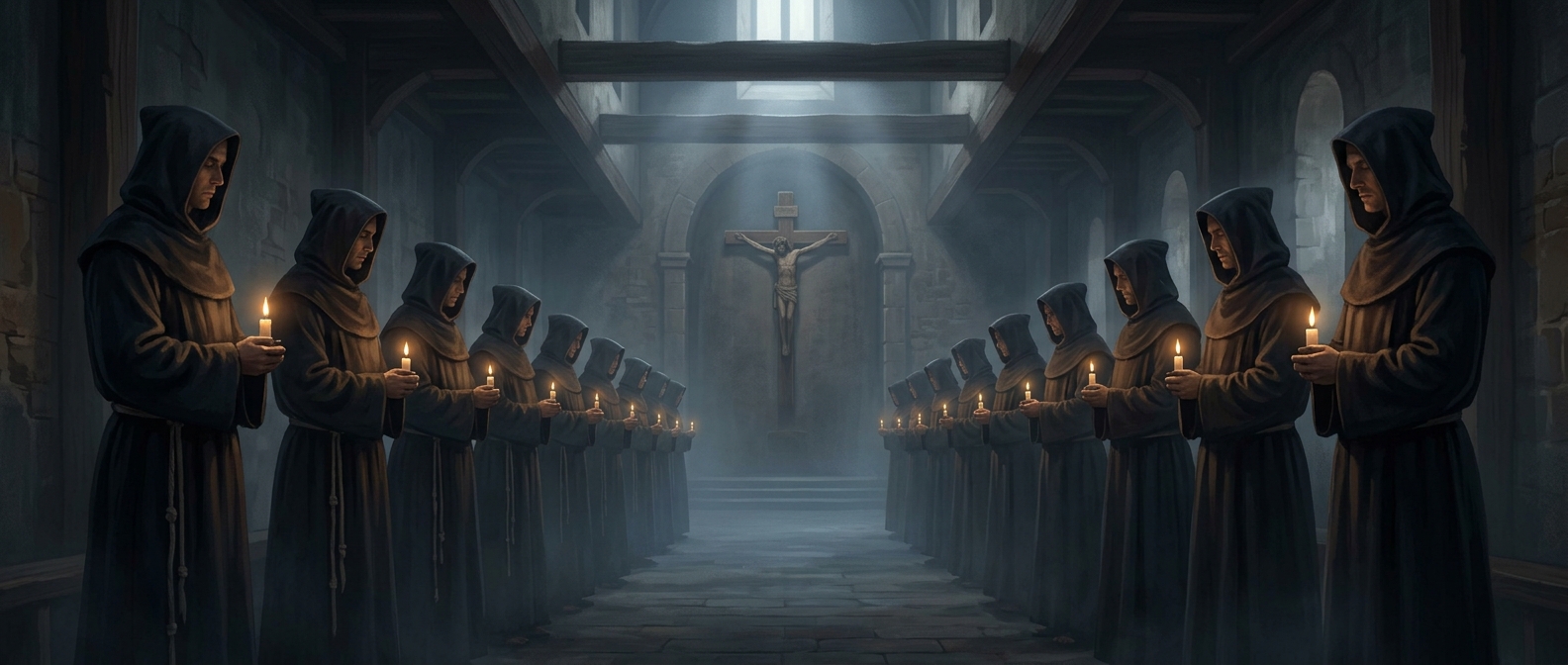
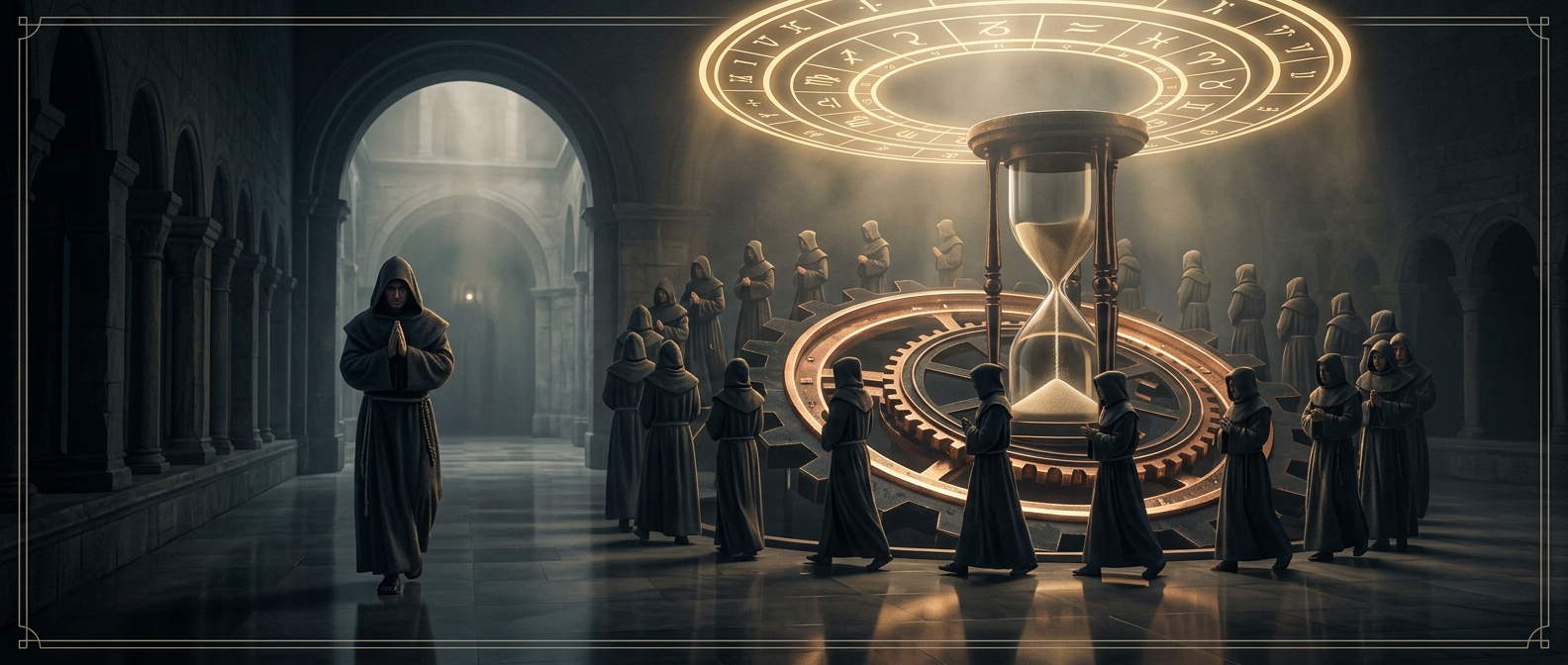
A monastic timetable is more than a list of appointments. It coordinates a community whose members share meals, worship, work, and rest. A bell or other signal marks the transition, so everyone knows when to leave a task and gather for the next one. The rhythm makes private time less central: the day is organized around obligations held in common.
Prayer Sets the Day’s Framework
In many Christian monastic traditions, scheduled prayer returns at intervals from early morning through evening. These services are often called the canonical hours—regular points in the day reserved for communal worship. Work and practical duties fit between them: tending gardens, preparing food, maintaining buildings, or copying texts in communities where that is part of their work.
The exact pattern differs among monasteries and traditions. But the underlying method is consistent: a community follows a rule that assigns recurring duties and gives the day a recognizable shape. When one activity ends, the next is already determined; members do not have to negotiate each transition anew.
What the Structure Makes Possible
That order trades personal spontaneity for coordination. Shared meals can be prepared on time, essential chores are less likely to be neglected, and prayer is protected from being continually postponed in favor of urgent tasks. Repetition also makes the schedule easier to learn: over time, the signal for the next activity becomes part of the day’s expected rhythm.
The consequence is visible in small moments. A task may be unfinished when the bell rings, but the timetable asks the community to stop anyway. In a monastery, the clock is not simply measuring the day; it is helping decide what the day is for.