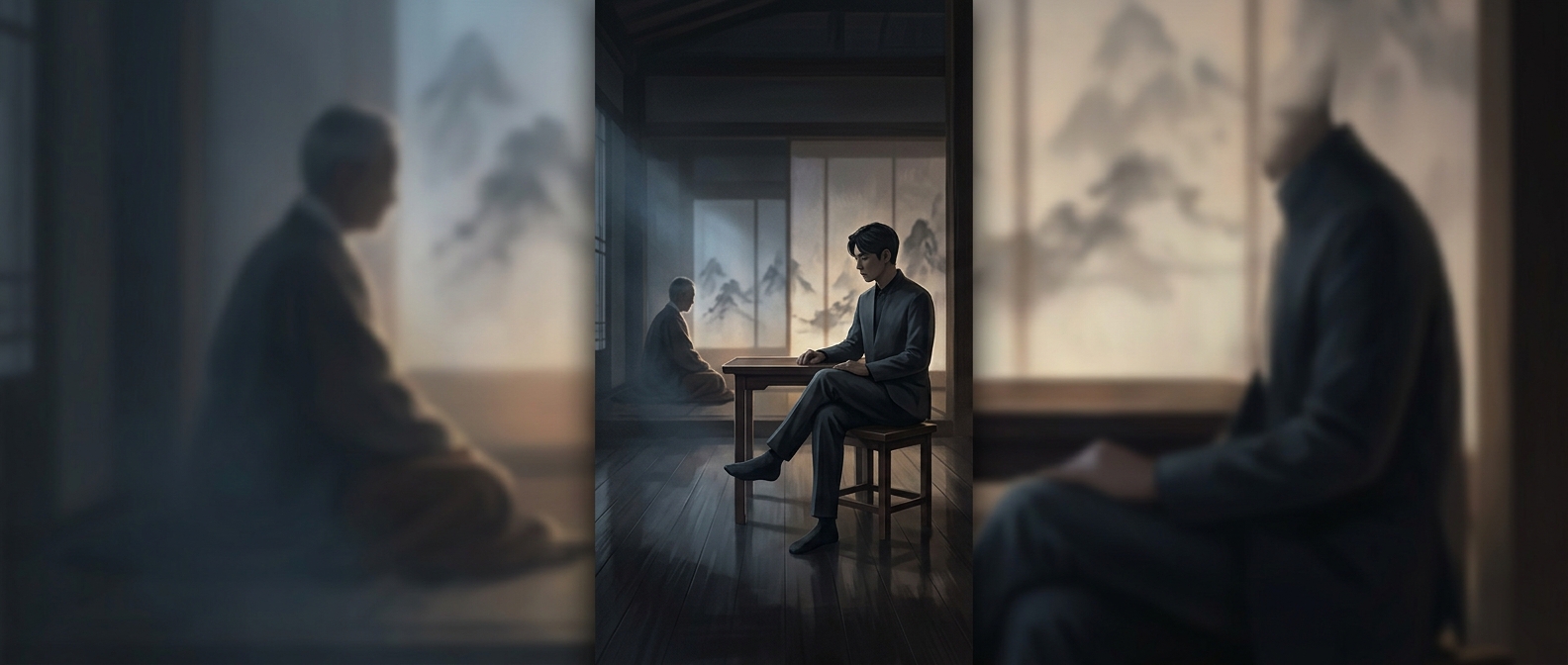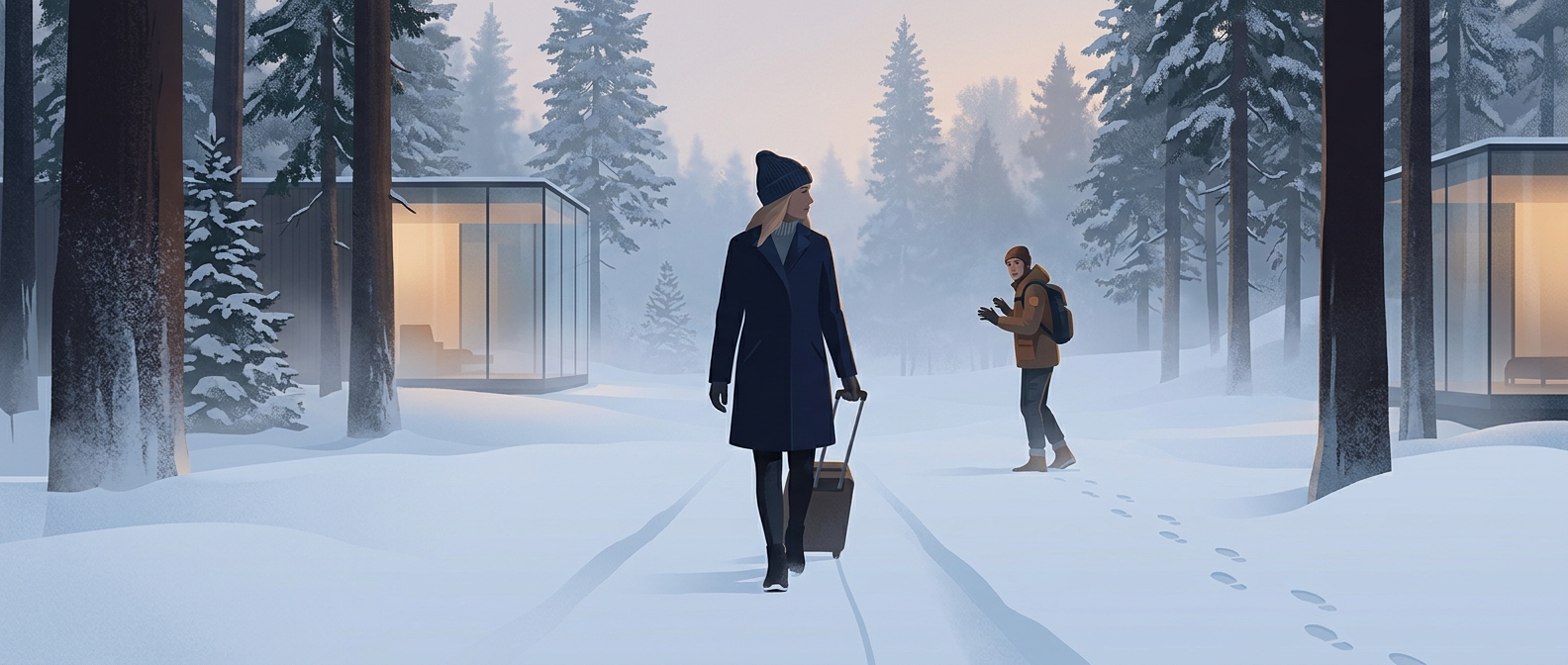
A gap can be a form of courtesy
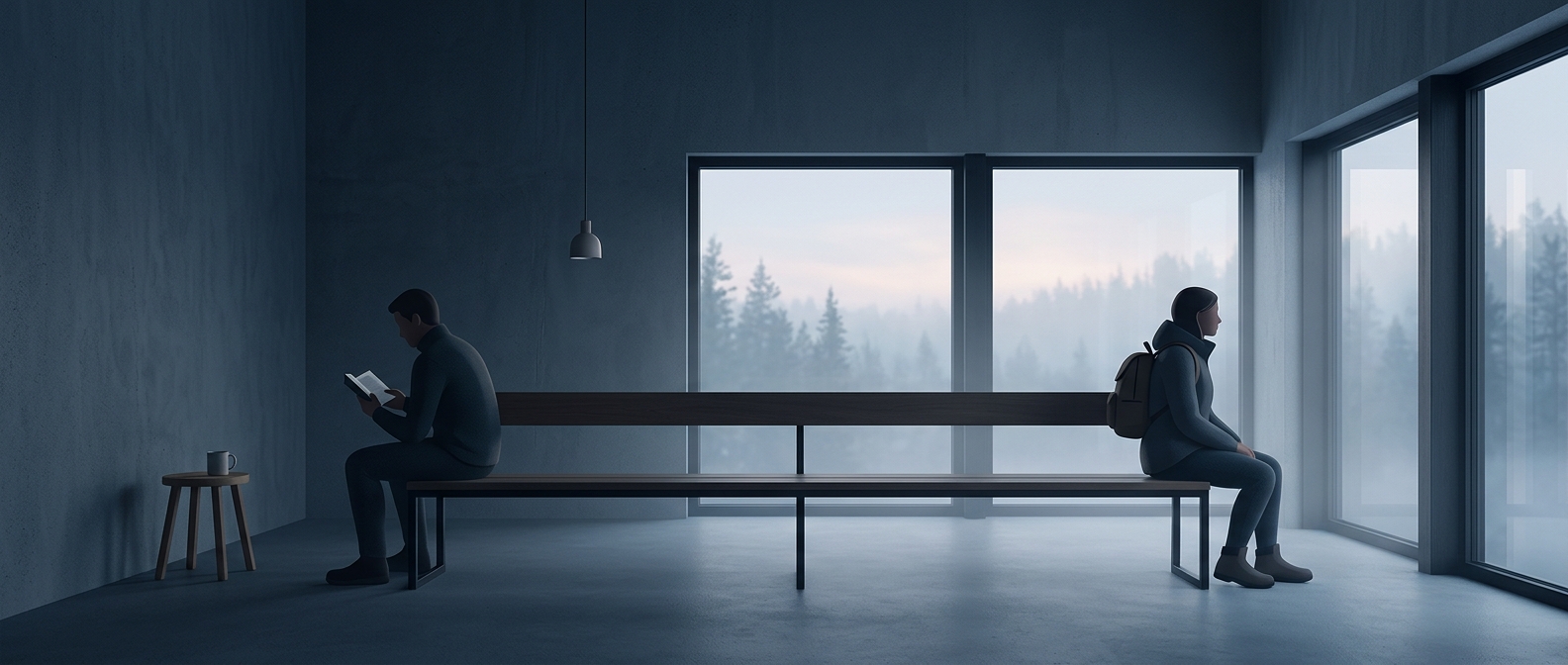
On a Finnish park bench, an open seat beside a stranger may remain unused while a spot farther away gets chosen. The distance is often less a message about that particular person than a way of keeping public space comfortable: sitting apart gives each person room without requiring a greeting or explanation.
That fits a social style in which quietness and privacy can be ordinary, rather than signs of awkwardness. In a place where people may be content to share a setting without starting a conversation, a little physical space helps make that shared silence feel natural.
The distance changes with the setting
It is a preference, not a strict rule or a measure of how friendly someone is. When a bench is crowded, people sit closer; when there is room, they can choose more separation. A visitor who leaves a gap is not necessarily rejecting company, and a visitor who sits nearby is not necessarily being rude.
The useful cue is the available space: an empty bench invites people to spread out, while a full one calls for sharing. What may look like deliberate avoidance can simply be a quiet form of consideration.