What a crossed-leg posture can signal in a Korean meeting
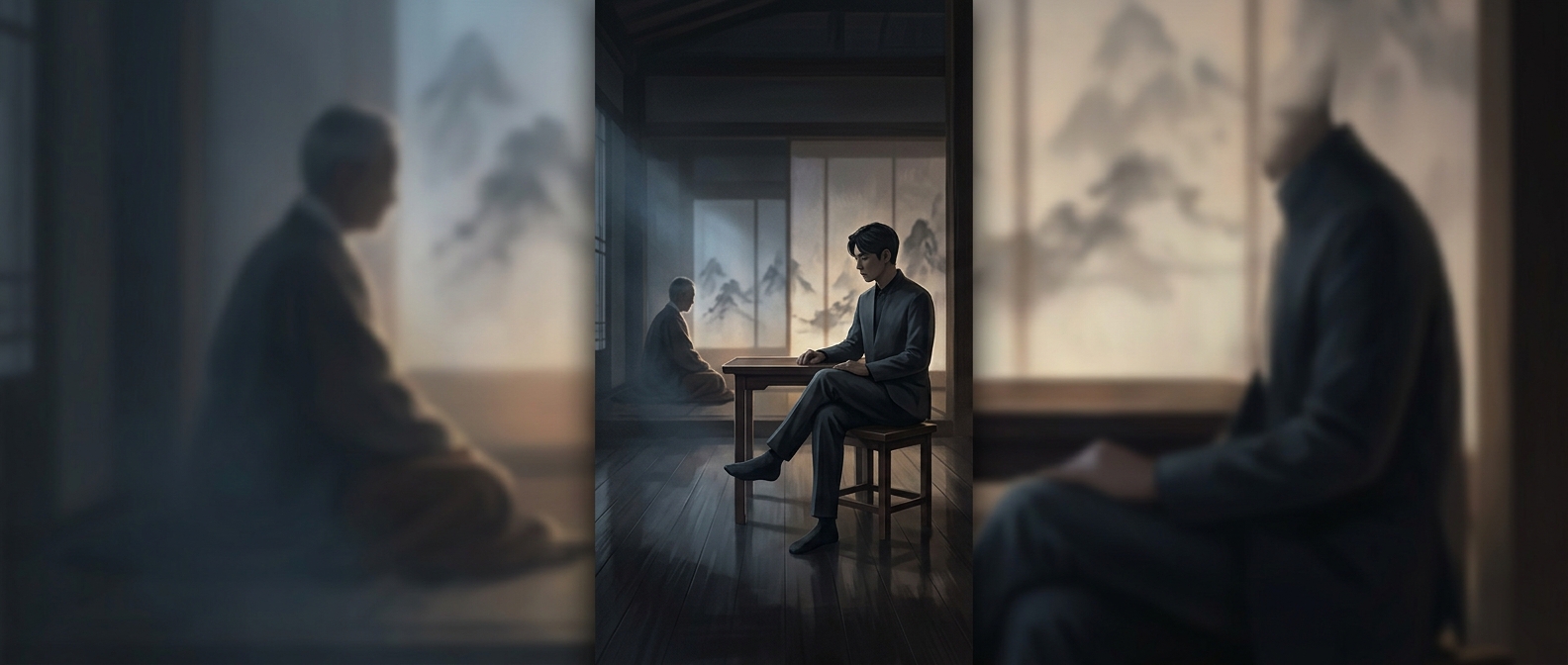
In a formal conversation, posture can help communicate how seriously someone is taking the exchange. Crossing a leg may look relaxed or casual; if the other person is a manager, elder, or client, that ease can be interpreted as insufficient deference. The gesture does not have one fixed meaning, but in a setting where rank and formality matter, it can draw attention to whether someone seems attentive and respectful.
The impression depends on the whole situation: who is present, how formal the meeting is, and how others are sitting. A posture that feels ordinary among friends may seem too casual in a first business meeting or when speaking with a senior colleague. It is not a rule that every Korean person will judge crossed legs as rude, and the gesture alone does not establish intent.
A low-risk way to read the room
When the setting is formal and you are unsure, keep both feet on the floor, sit upright, and follow the other person’s lead. This avoids a posture that might be read as overly relaxed while leaving room to adjust once the interaction feels more informal. The useful lesson is less about memorizing a ban than noticing how a small gesture can carry extra weight when the people in the room have different levels of seniority.