A candy clause buried in the paperwork
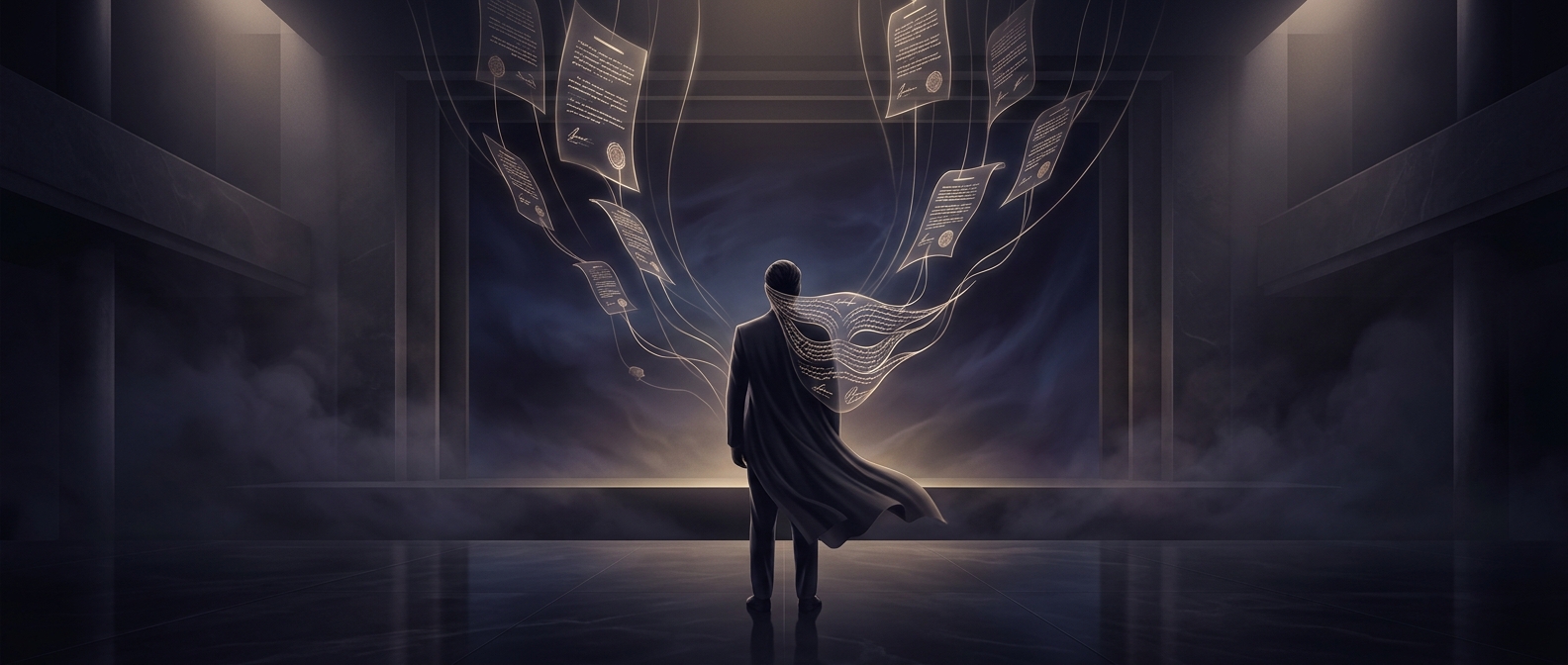
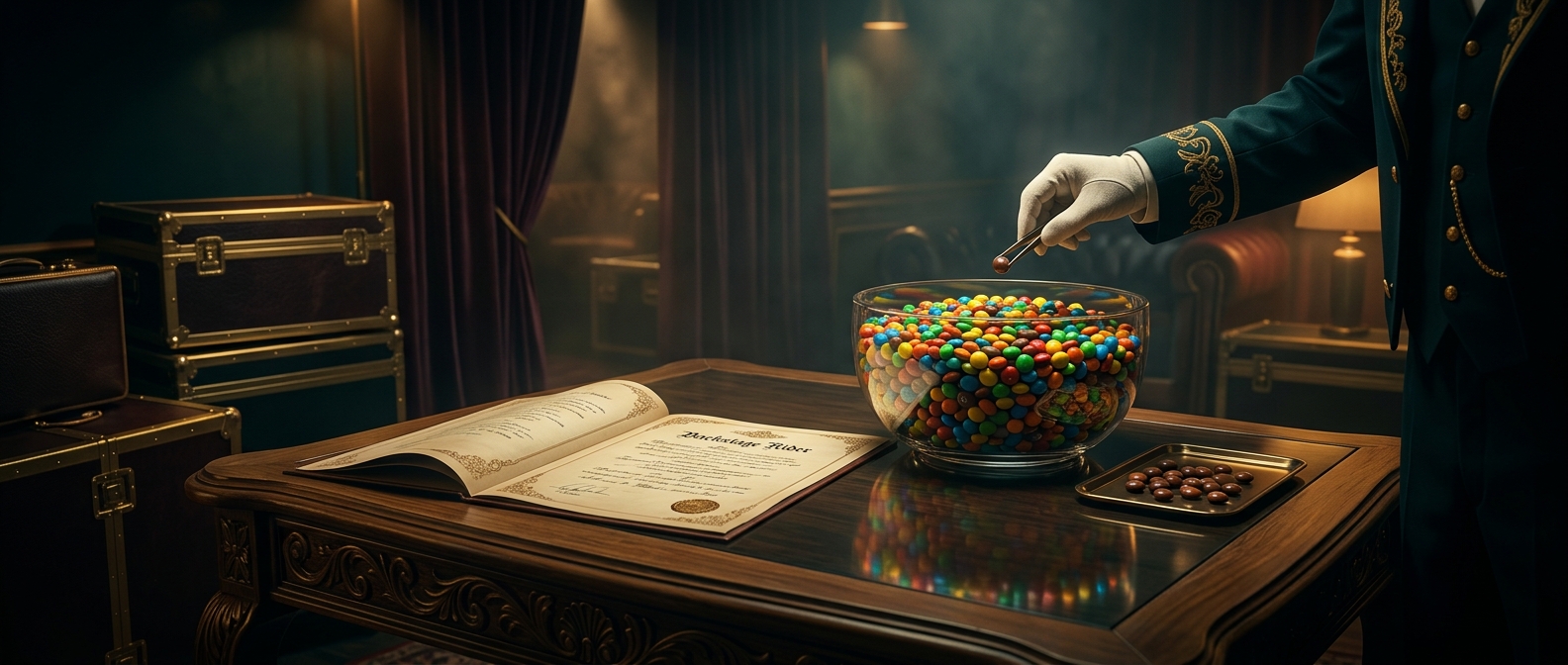
Van Halen’s touring contract included an unusual instruction: backstage, the band wanted a bowl of M&Ms with every brown one removed. The demand was not just a test of whether a promoter could satisfy a picky band. It was tucked into a much larger document—the rider—that spelled out what a venue had to provide and how the show had to be set up.
For a production of this scale, those details could affect whether the stage, rigging, electrical supply, and backstage facilities were ready for the equipment and crew. A missed requirement might be an inconvenience; a missed technical specification could create a serious problem.
A quick test of whether anyone had read the rider
The M&M instruction was easy to notice if someone read the contract closely, and easy to overlook if they skimmed it. Finding brown candies in the bowl gave the band’s team a reason to check whether other instructions had also been missed. It was a cheap, visible warning signal, not proof that the entire setup was unsafe.
That distinction matters: candy could not certify the venue’s rigging or electrical work. It could, however, prompt a closer inspection before the crew relied on the venue’s preparation. The clause turned a potentially invisible paperwork failure into something the touring team could spot at a glance.
Why the story endured
The demand sounds absurd in isolation, which is exactly why it makes the larger point memorable. In a touring show, small specifications sit alongside consequential ones in the same dense contract. The brown M&Ms became a practical reminder that a production’s safety depended not only on sophisticated equipment, but also on people carefully following the instructions that came with it.