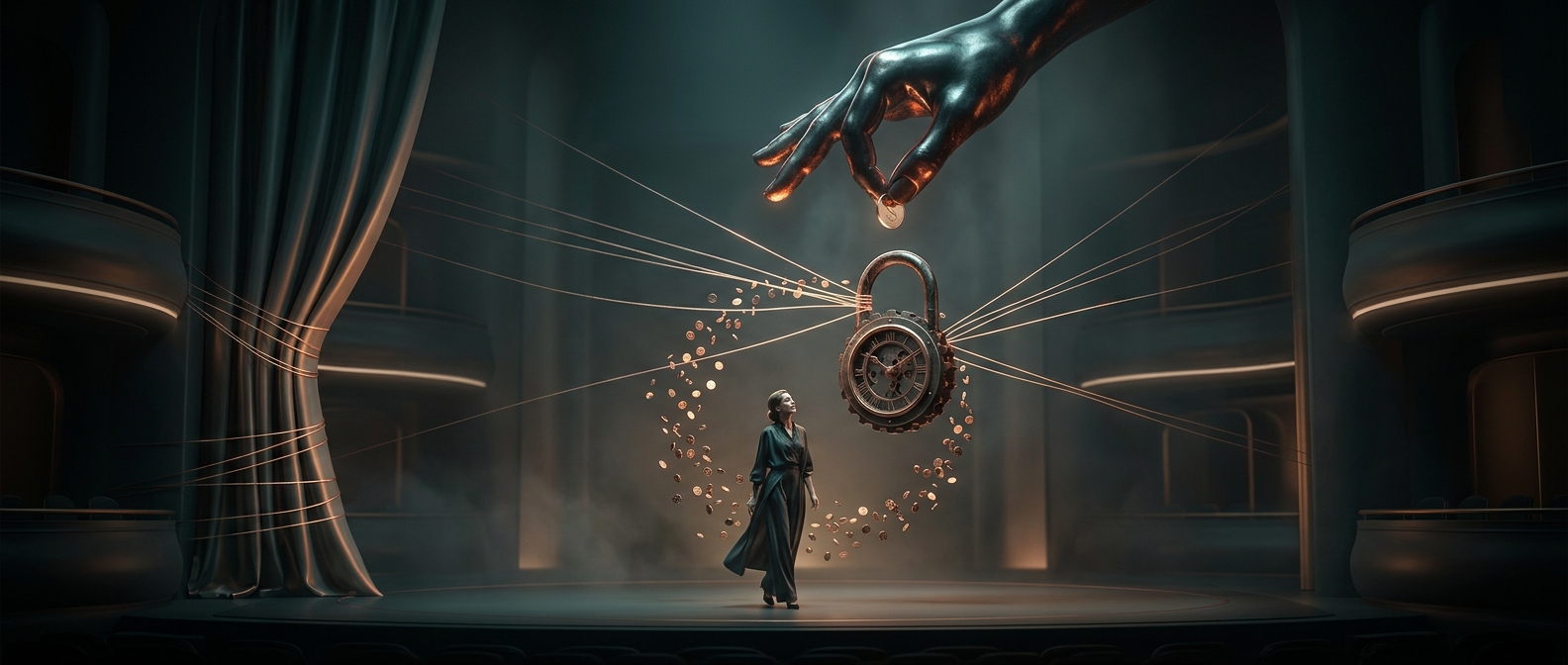
A concert’s end time can be a legal condition
A concert curfew is often tied to the rules governing a particular venue or event, not simply an informal preference for an early finish. A city may limit amplified sound at night, or set conditions in a permit that allows an event to take place. If the show runs beyond the permitted time, the organizer can face penalties—even if the final song is still playing.
That makes the clock part of the production plan. Promoters and venue staff work backward from the cutoff, allowing time for opening acts, changeovers between performers, and the headliner’s set. The schedule has to absorb small delays without letting them push the whole event past the limit.
Why one late set can cost more than a song
The promoter is typically responsible for delivering the event within its approved conditions, so a late finish can carry a financial cost as well as a noise problem. Depending on the rules in force, penalties may rise with each minute past curfew. A few minutes of extra music can therefore matter even when the audience barely notices the overrun.
That pressure can shape decisions backstage: a delayed set may mean trimming songs, skipping an encore, or moving quickly between acts. The consequence is a familiar concert ritual with a practical explanation: when the cutoff is firm, the encore is the part of the show most likely to disappear.