The Contractual Boundary Behind The Simpsons’ Satire
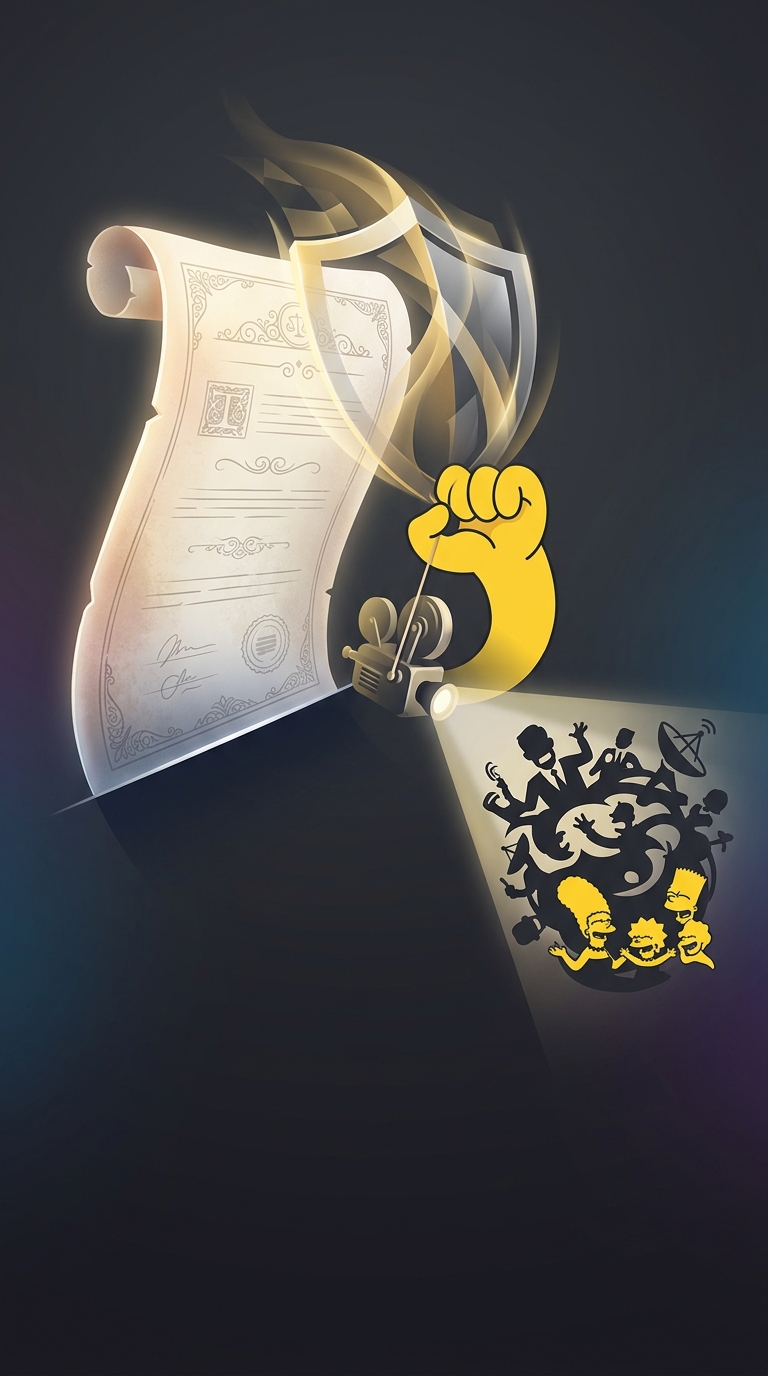
A network usually has more than a financial stake in a television show: it can offer notes, request edits, or object to material before an episode airs. The reported creative-independence clause in The Simpsons’ 1989 deal drew a boundary around that influence. Rather than treating network approval as the final word on every creative choice, the agreement gave the show’s creators unusual protection for their editorial decisions.
That distinction matters because creative control is not the same as ownership or freedom from every business constraint. A network can still fund and distribute a program while having less authority over its jokes and storylines than it normally would. In practice, that makes the contract a kind of institutional buffer: executives may dislike a scene, but dislike alone does not automatically give them the power to rewrite it.
Why That Freedom Could Reach the Network Itself
The protection became especially striking when the show turned its satirical attention toward Fox. Fox News did not exist when the 1989 agreement was signed; it launched years later. The clause was not written specifically to permit jokes about the channel. Instead, the arrangement gave the writers room to satirize the larger corporate family the show belonged to—including a later news outlet—without having to make every punchline acceptable to the company being mocked.
That does not mean every possible scene was guaranteed to air untouched. It means the creative relationship was structured to limit network interference, leaving the show’s writers with a rare degree of latitude. The joke could point upward at the institution paying for the program—and still make it onto the screen.