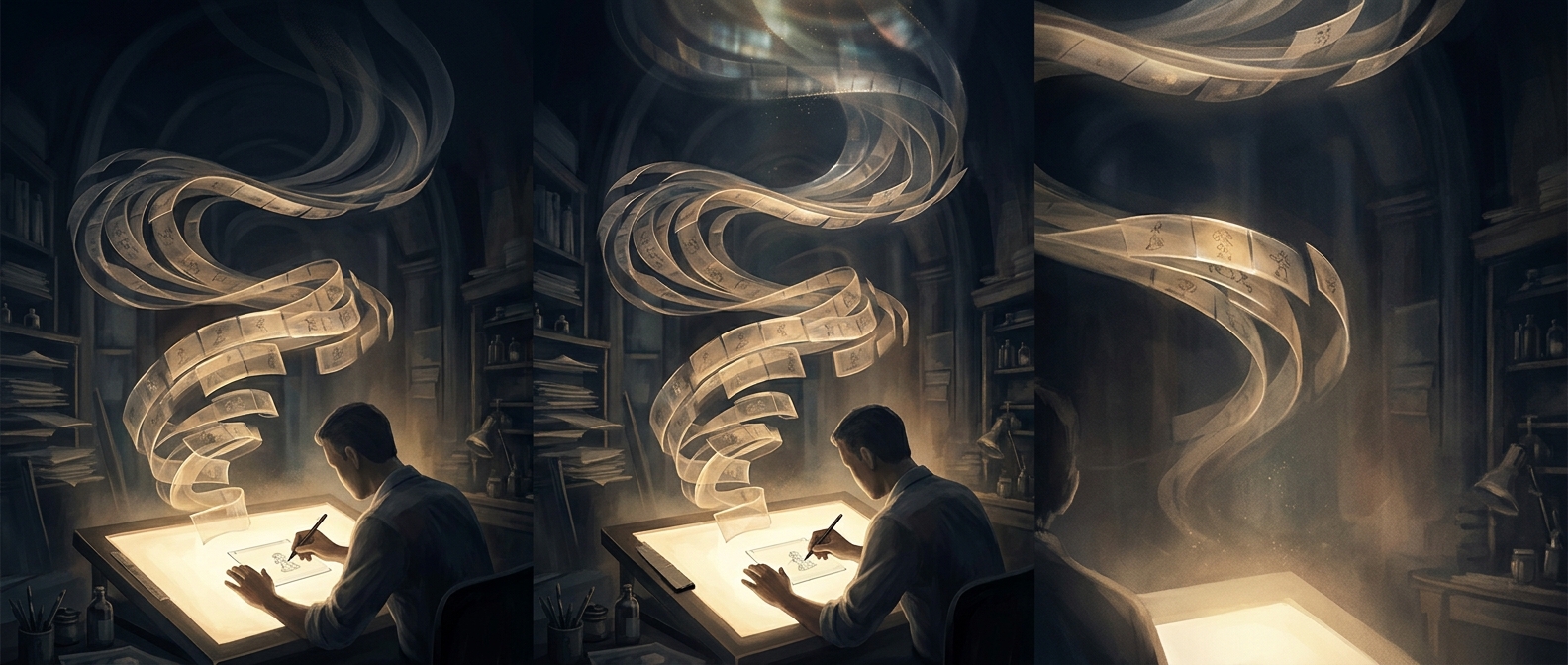
A flexible opening in a tightly timed show
An animated sitcom has to fit its story into a fixed broadcast slot. Once the plot, dialogue, and scene transitions are assembled, the finished episode may run a little shorter or longer than the target. The Simpsons couch gag—the brief sequence in which the family reaches the living room and finds the couch—offers a small, self-contained piece of animation that can help absorb that difference.
Because the gag sits at the opening rather than inside the story, changing its length need not change what happens to the characters in the episode. A quick visual punch line can take only a moment; a more elaborate bit of business can occupy more screen time. That makes the opening useful as well as comic.
Why the gag can stretch
The key is that the couch gag is modular: it can be treated as a segment with its own beginning and payoff, separate from the episode’s plot. If the cut needs more time, a longer version can add seconds without requiring another scene, new dialogue, or a detour in the story. If the episode is already full, the gag can be brief—or omitted in some installments.
This is not time created for free. Every extra animated action still has to be designed and produced. But adjusting a self-contained opening bit can be less disruptive than expanding a plot sequence whose pacing and continuity matter to the whole episode.
A joke with a production job
The gag’s changing forms also give the opening room for visual invention: viewers can recognize the familiar setup while waiting to see what has changed. Its practical value comes from that same compact structure. A recurring joke becomes a flexible piece of the episode’s running time, letting the production team solve a scheduling problem without making the story feel padded.