A rough first pass put the pilot’s future at risk
Animation is built in stages. A studio turns approved designs and storyboards into moving scenes, then those scenes are reviewed and revised. The first pass is more than a sketch of the idea: it has to make the characters’ expressions, movement, and comic timing work on screen. If those elements feel wrong, the problem can affect the whole episode, not just its polish.
That was the risk with The Simpsons pilot. Its first animation pass, produced by a Korean studio, looked rough enough to draw an objection from creator Matt Groening. Fox threatened to scrap the show, making the visual quality of an unfinished production a question of whether the series would continue at all.
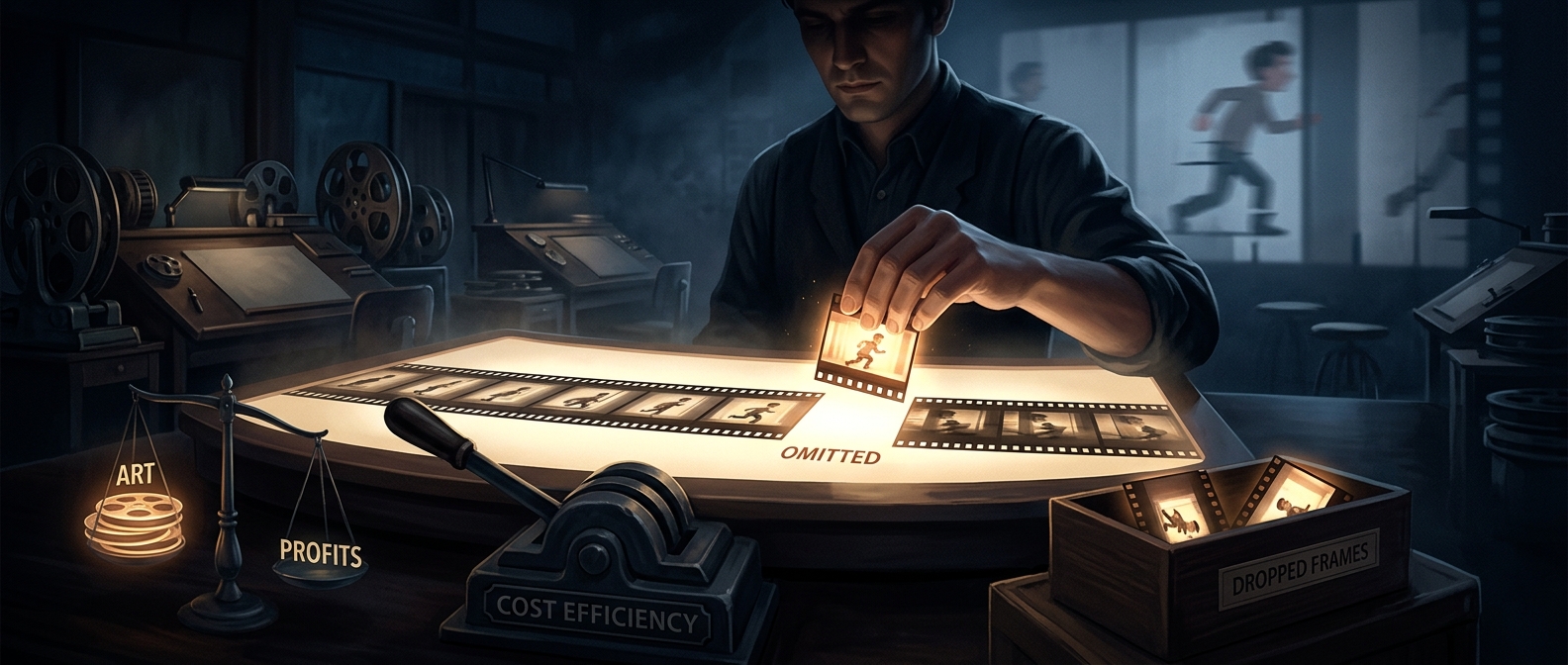
Reworking animation means rebuilding scenes
Fixing that kind of problem is not like touching up a single image. Changes to how a character moves or reacts can require artists to redraw substantial portions of a sequence so the action remains consistent from frame to frame. The pilot was reanimated by 70 percent—a striking measure of how much of the original work had to be replaced.
The episode’s troubled path illustrates a basic constraint of animated television: a distinctive design or funny script is not enough if the movement fails to convey the performance. The show had to make its characters feel alive before viewers could recognize the style that would become its signature.