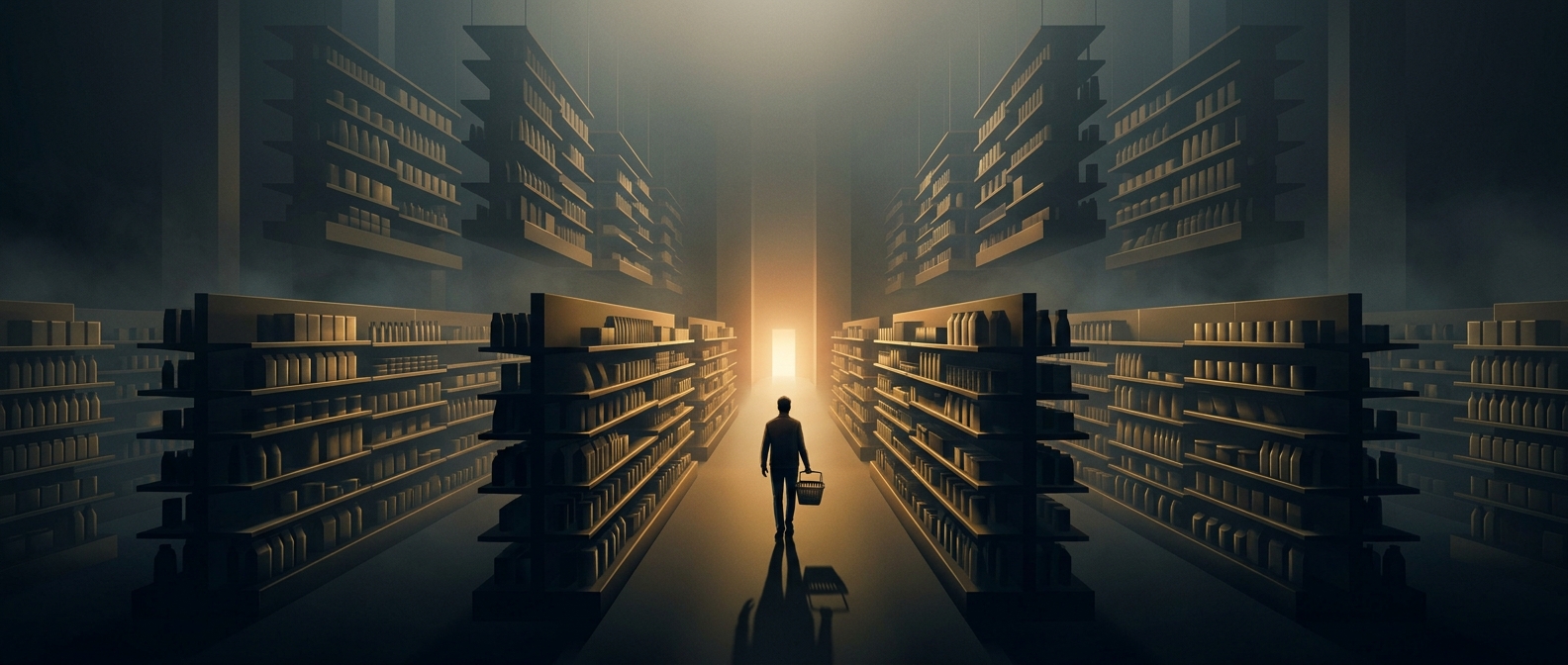
The Long Walk Turns a Need Into a Shopping Route
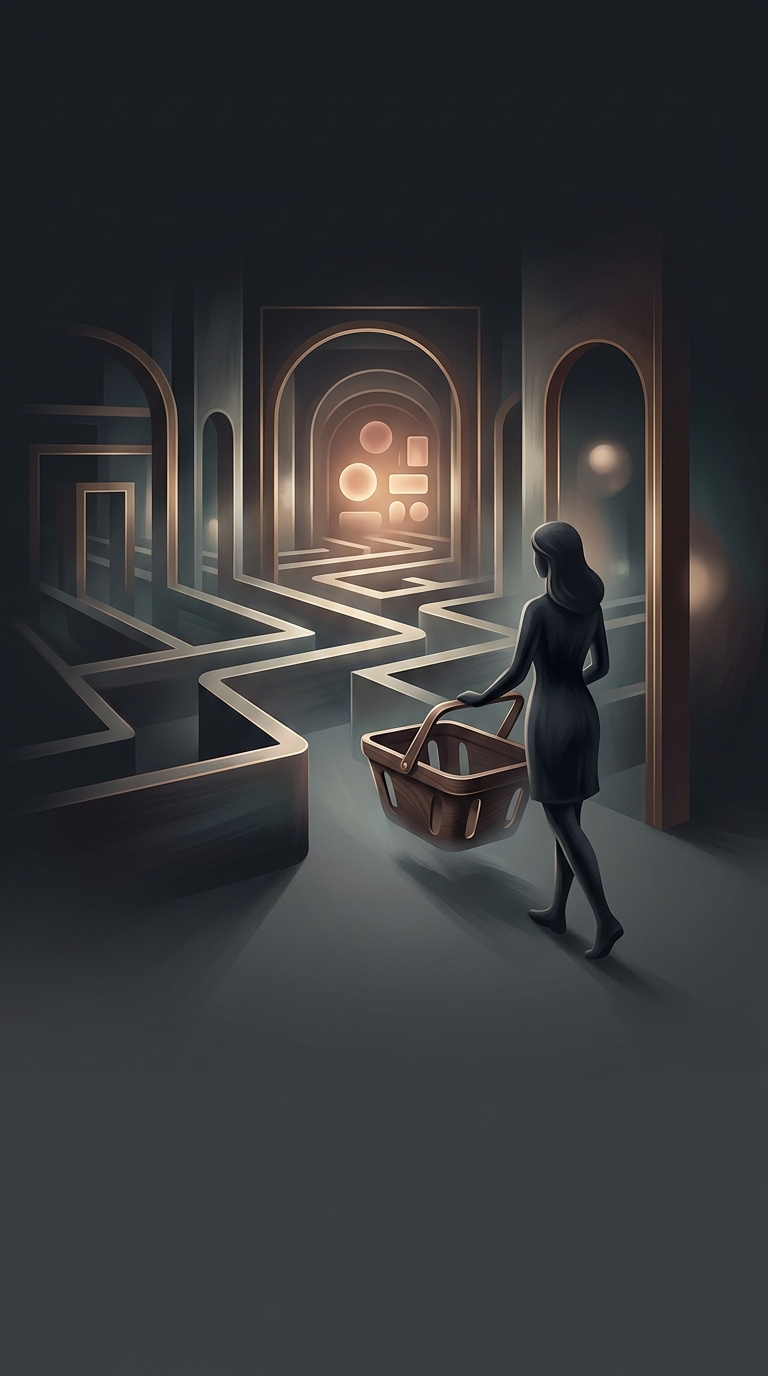
Milk and eggs are familiar staples: shoppers often know they need them before they enter the store. Placing such essentials toward the back can make the trip pass more shelves than a direct path to the checkout would. Each extra aisle is another chance to notice a product that was not on the list—snacks, drinks, or a sale item—and add it to the cart.
That is the economic logic: the store is not only selling the items people came for; it is arranging the route so shoppers encounter more offers along the way. Even a small number of unplanned additions across many shopping trips can matter to a retailer’s sales.
Why the Layout Is a Tradeoff
A longer route can increase exposure, but it can also frustrate shoppers who want to get in and out quickly. Stores have to balance browsing opportunities with convenience, and layouts vary by building, refrigeration setup, and the way a retailer organizes its departments. Milk is commonly kept in refrigerated cases, while eggs may be nearby or elsewhere; neither product has to occupy the same spot in every supermarket.
The useful detail is that the walk is part of the selling environment. A shopper may enter with a short list, but the route to the essentials can quietly turn that list into a larger basket.