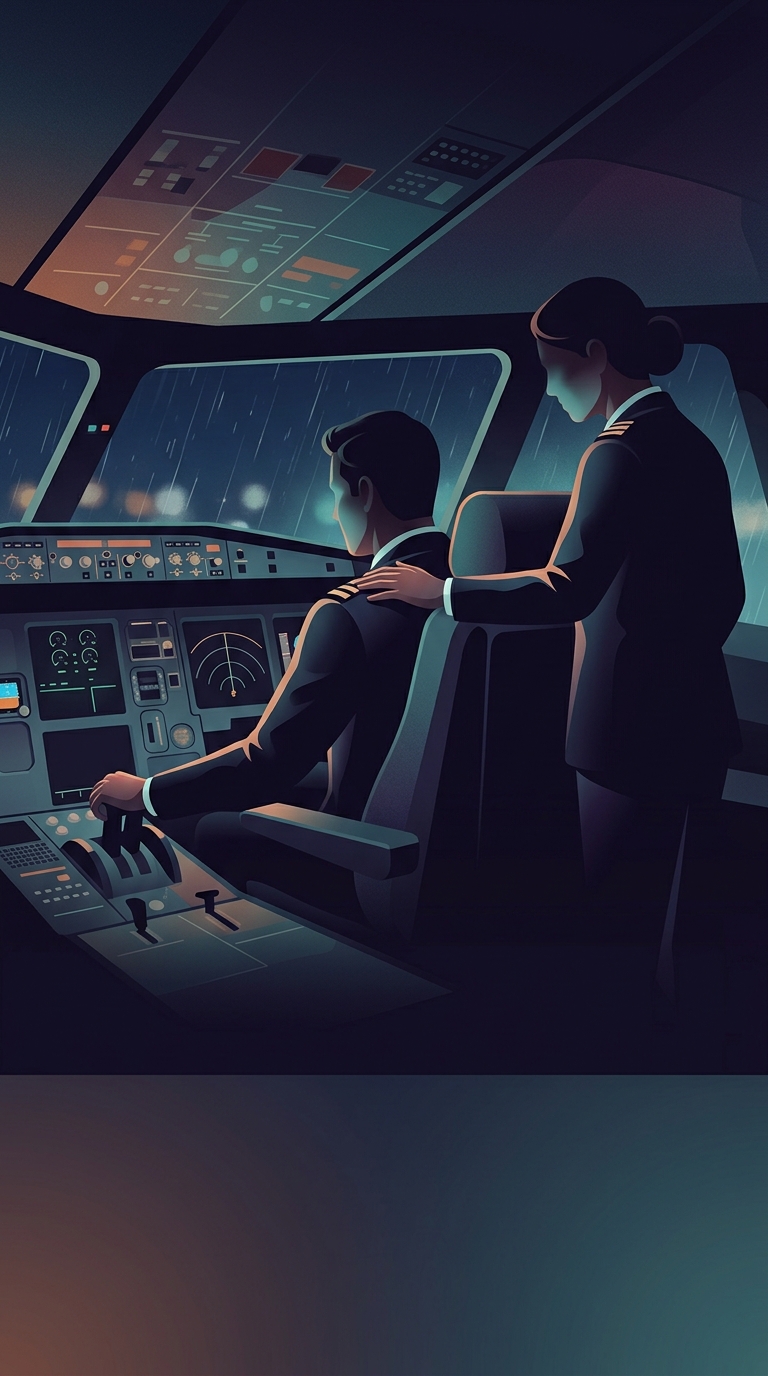
The First Officer Is a Pilot, Not an Assistant
In an airline cockpit, the two pilots are the captain and the first officer. Both are qualified pilots trained to operate the aircraft. The first officer is not there merely to help the captain: either pilot can fly the plane, and on many flights they take turns doing so.
The captain has overall command and is responsible for decisions about the flight. The first officer shares the flying, navigation, communication, and monitoring work. That difference in command does not make the first officer a passenger in the decision-making process; airline procedures expect both pilots to speak up about a concern.
One Flies; One Checks
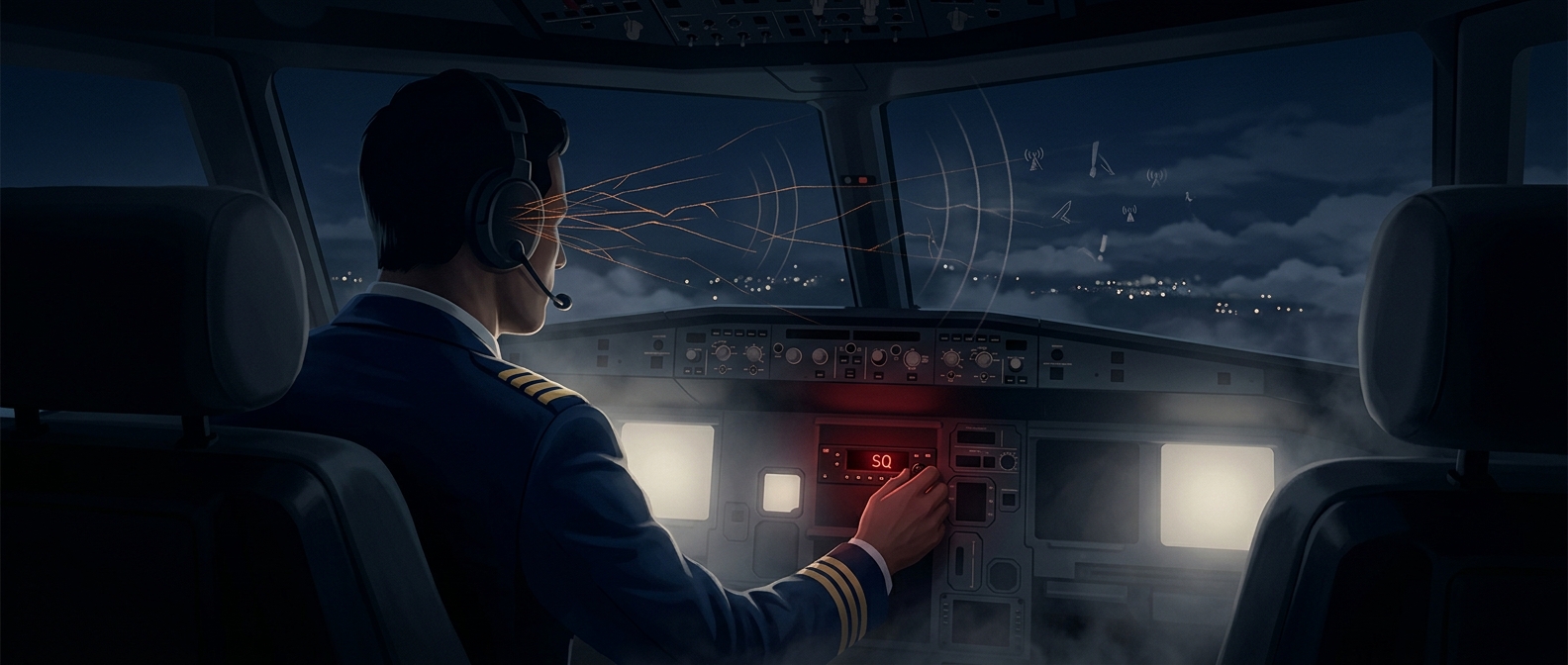
At a given moment, one pilot is designated the pilot flying and the other the pilot monitoring. The pilot flying controls the aircraft or manages its automated flight systems. The pilot monitoring handles tasks such as radio calls and checklists while checking that the aircraft’s path, settings, and actions match the plan.
These roles can switch during a flight. The division is a safety measure: a pilot concentrating on a maneuver can be backed up by another pair of trained eyes. Checklists and standard callouts also make important actions visible to both pilots, reducing the chance that a missed setting or misunderstanding goes unnoticed.
A Shared Cockpit With Clear Command
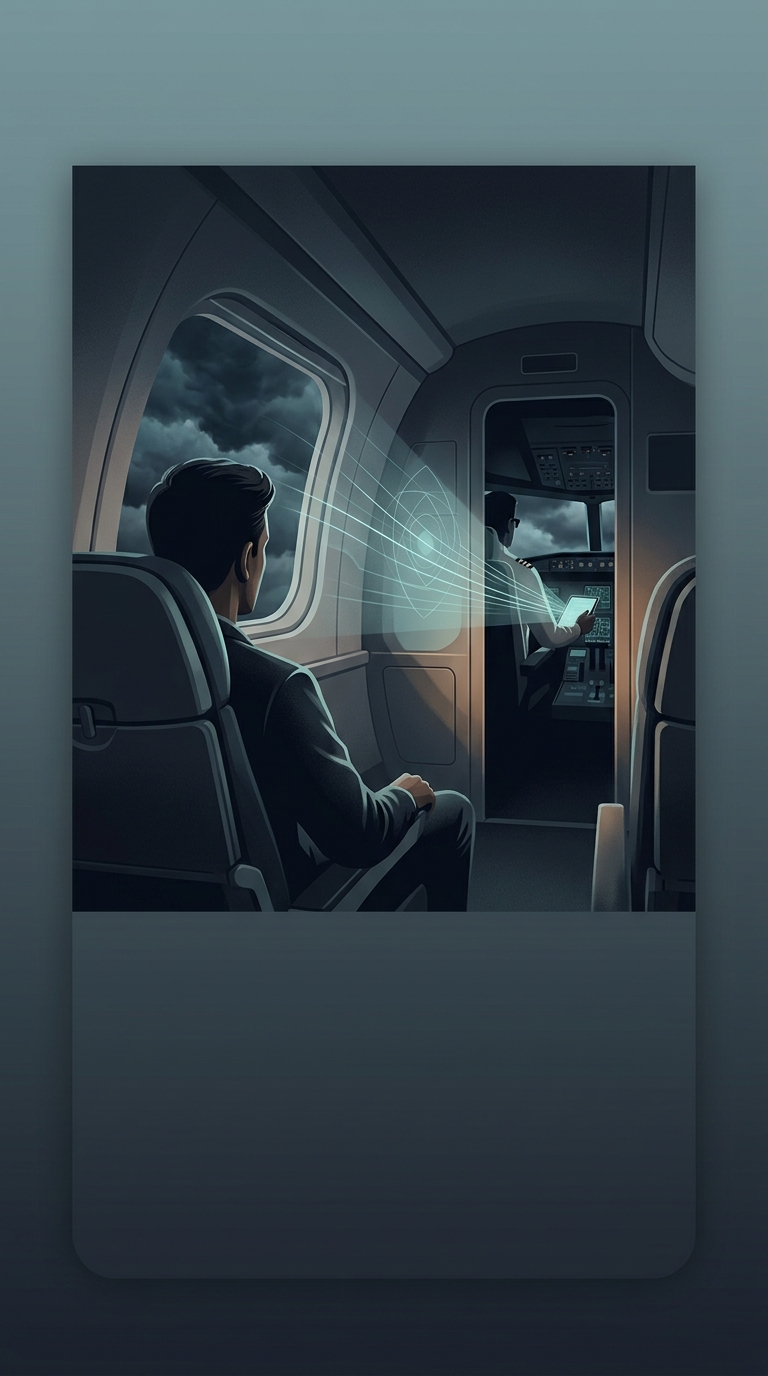
The captain remains accountable for the flight and can make the final operational decision, but effective cockpit work depends on active coordination—not silent obedience. If the first officer spots a problem, raising it is part of the job. The arrangement combines a clear line of command with cross-checking, so the aircraft is not relying on one person to notice and manage everything alone.