The white background was a production method
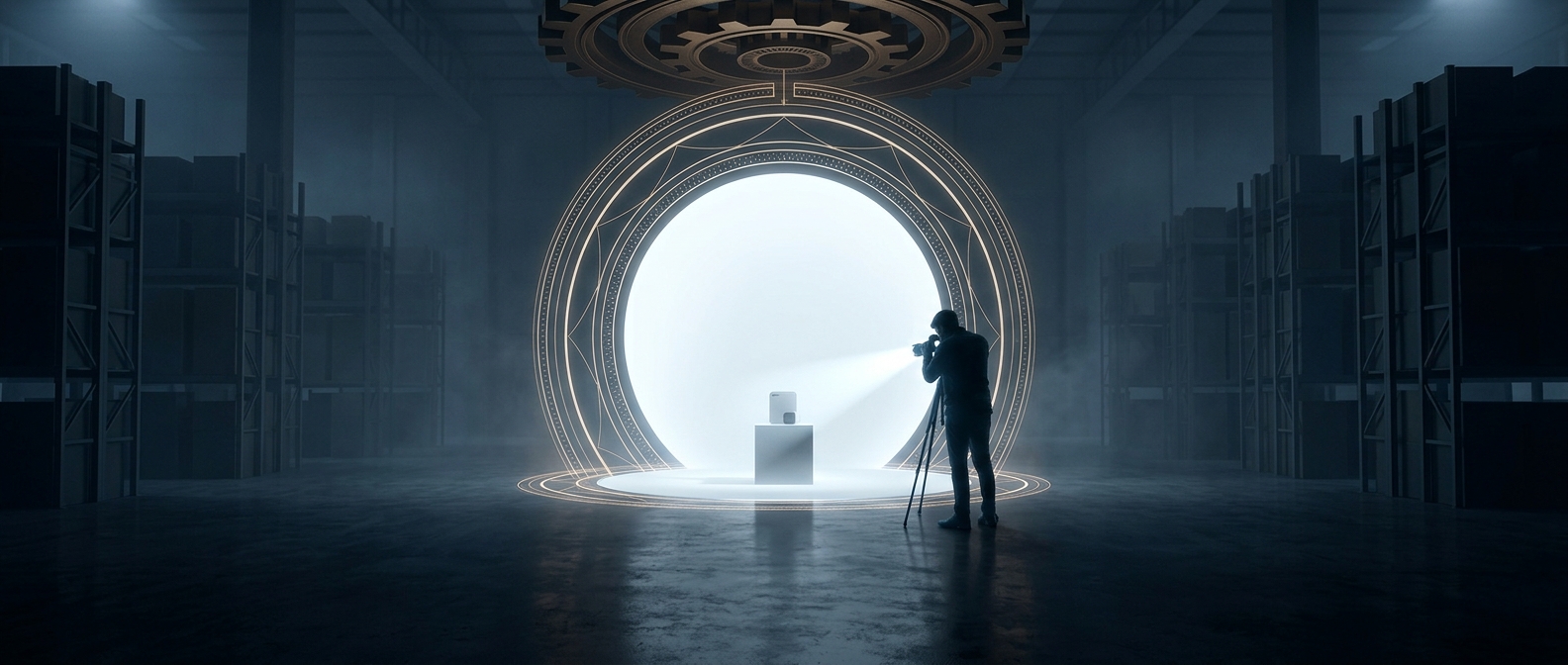
A clean white product photo can look effortless, but getting one straight from the camera takes more than pointing a lens at a white wall. Light bounces around a studio; if the background and object are lit carelessly, the result can show gray patches, hard shadows, or washed-out edges. A carefully arranged studio can control those effects before the picture is taken.
Amazon’s patent concerned a particular arrangement of studio equipment and lighting for producing that kind of image without digitally cutting the object out afterward. That distinction matters: the patent was about a specified way to make the photograph, not a claim over every image featuring a white background.
Why solve the problem in the studio?
Digital background removal can require software and human review, especially when an object has fine edges, reflective surfaces, or translucent parts. Capturing a clean background in-camera can reduce that cleanup and make a large catalog easier to present consistently. For a retailer, consistency is practical: shoppers can compare products without each image carrying a distracting setting or lighting style.
A patent can give its holder rights over the invention described in its claims—the specific technical features that define what is protected—rather than over a general visual idea. Here, the familiar look of a product photo concealed a narrower engineering choice: how to arrange a studio so the white field and the object photograph cleanly together. The surprising part is that a seemingly plain background can be the result of carefully controlled lighting, not an empty canvas added later.