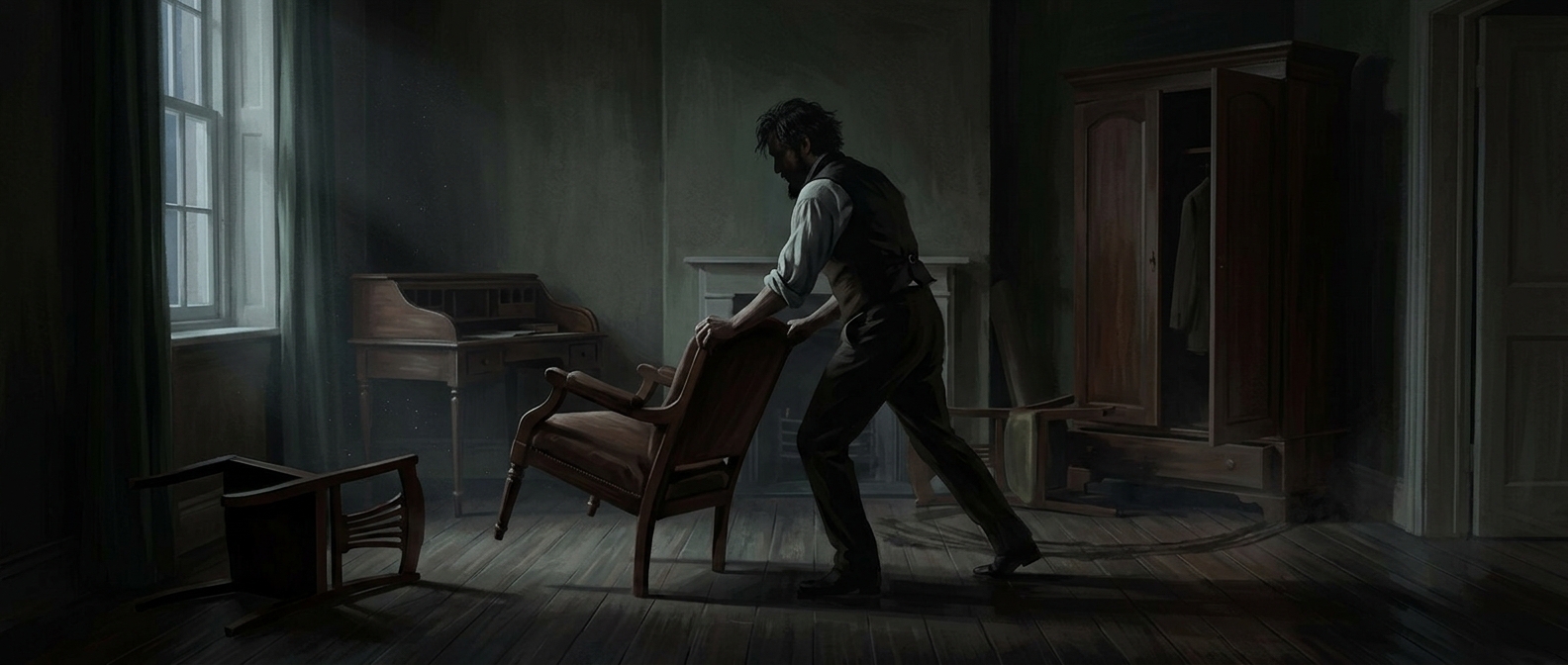
The disappearance that became a real-life mystery
In December 1926, Agatha Christie’s car was found abandoned near a chalk quarry in Surrey. The celebrated mystery writer was nowhere to be found. Police searched, newspapers followed the case, and members of the public joined the hunt. Eleven days later, Christie was located at a hotel in Harrogate, Yorkshire, where she had checked in under the name Teresa Neele.
That name belonged to her husband’s lover, a detail that made the story seem like a plot Christie had devised herself. But the evidence does not show that she staged the disappearance or deliberately set out to fool the country. Christie later said she could not remember the period, and the episode is generally treated as a genuine crisis whose precise cause remains uncertain.
Why the mystery was so compelling
The disappearance came during a painful stretch of Christie’s life. Her mother had recently died, and her marriage to Archibald Christie was breaking down; he had told her he wanted a divorce. Those events provide context, but they do not establish exactly what happened in her mind or why she left home.
Her use of the name Neele gave the public a tantalizing clue that seemed to point straight to the marital turmoil. It also helped fuel suspicion that the celebrated crime writer had constructed an elaborate performance. Yet a name on a hotel register cannot, by itself, prove intent—and later retellings often turned uncertainty into a confident claim that she had faked everything.
A mystery without a tidy solution
Christie did not publicly offer a clear account that resolved the episode. The gap in her memory, the circumstances surrounding her marriage, and the intense press attention have left historians cautious about assigning a single explanation. The most striking part is not that Christie successfully staged a manhunt, but that the real events supplied all the ingredients of one: an abandoned car, a missing author, and a hotel alias tied to a personal crisis.