When Smoke Became a Sign
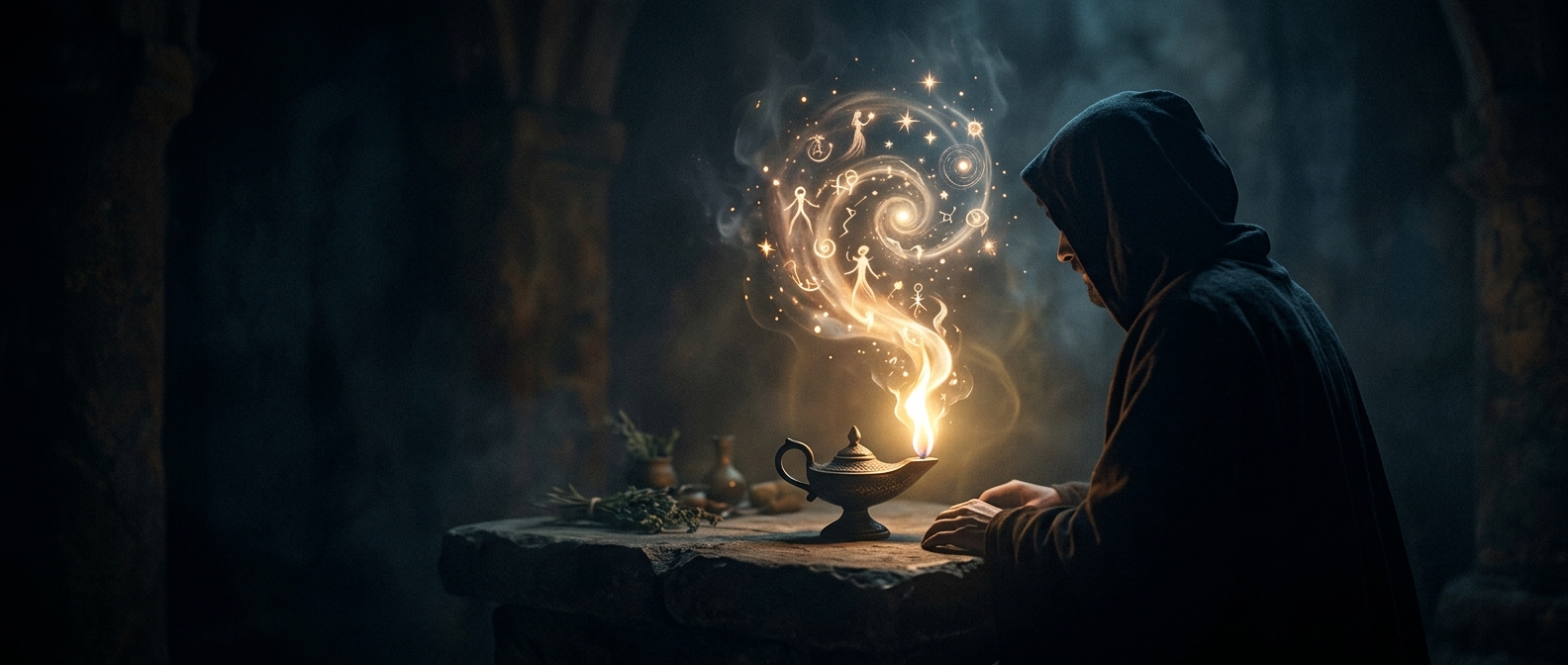
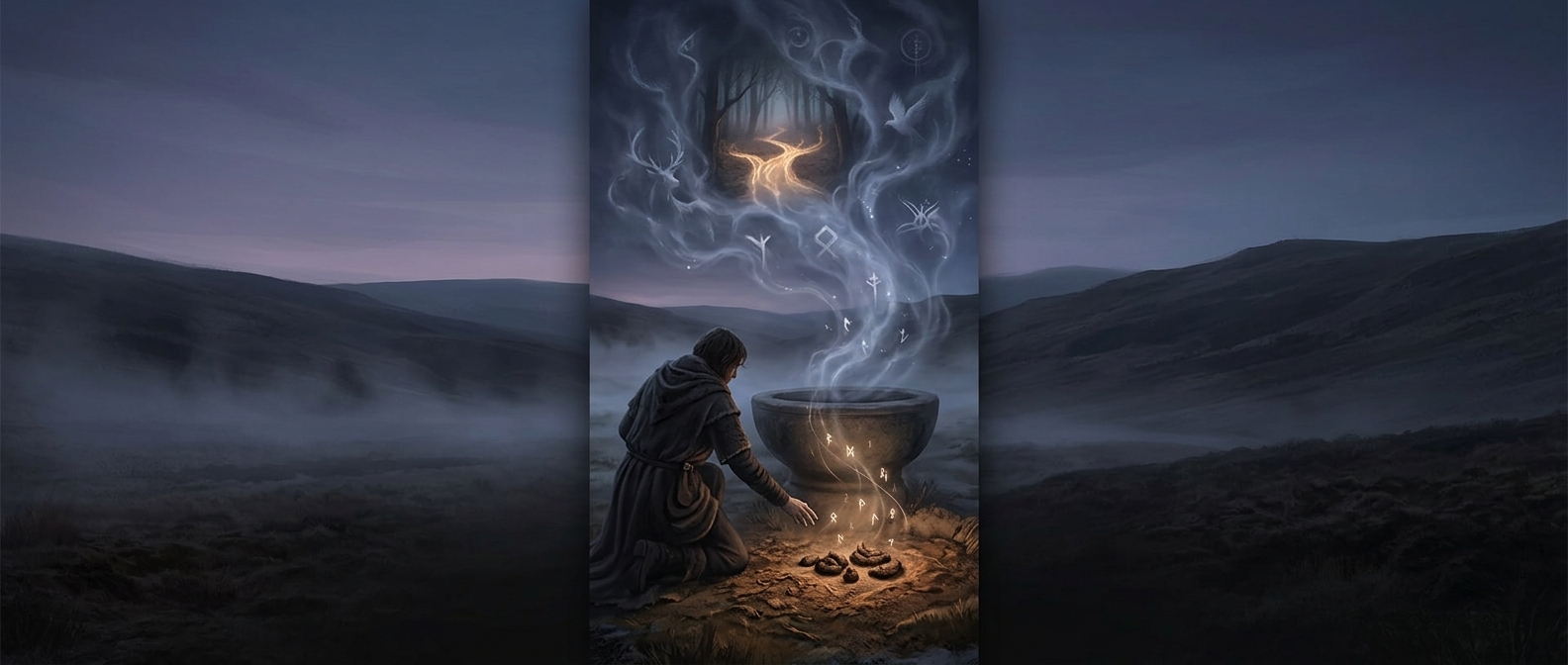
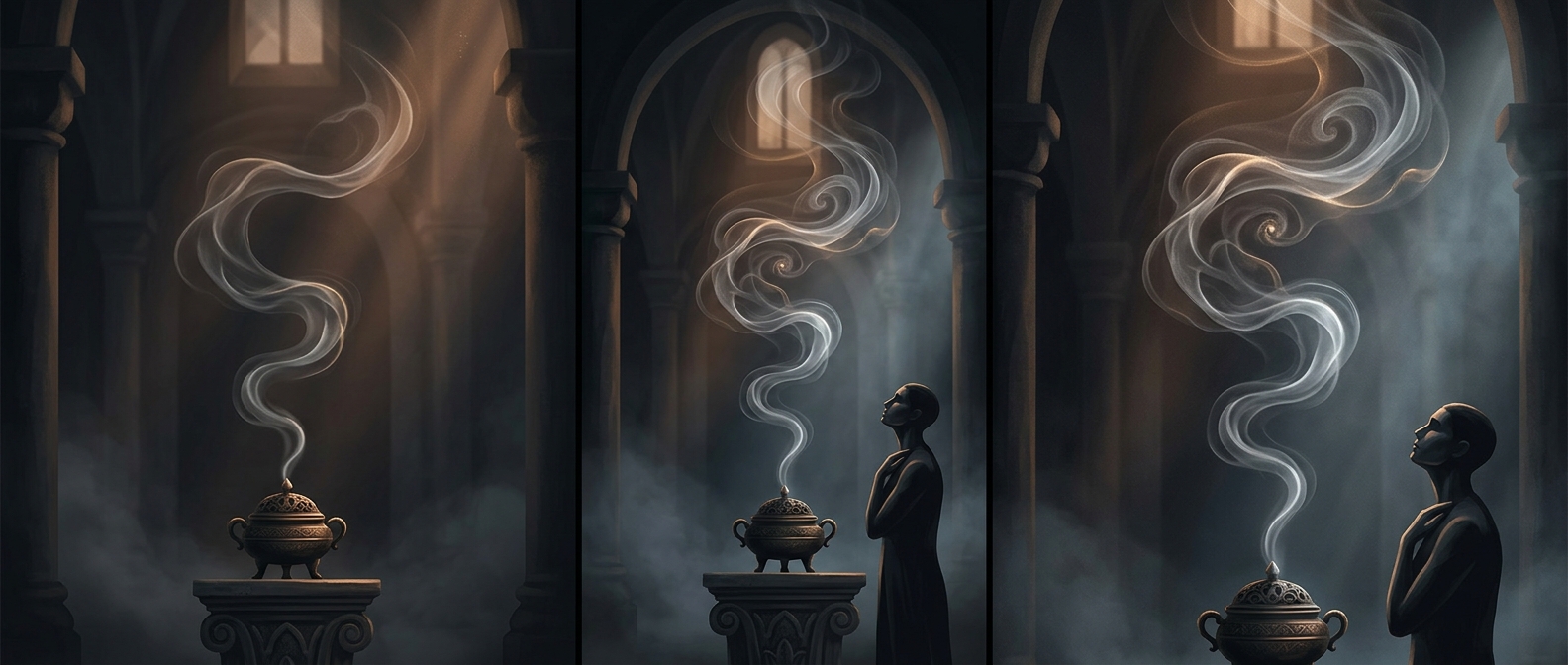
Frankincense is aromatic tree resin. On hot coals, it softens and releases fragrant vapors and visible smoke, turning an ordinary change in the air into something a diviner could observe. The smoke’s path offered a changing pattern to interpret: it might rise, spread, curl, or linger near the ground.
In the omen described here, smoke that failed to rise was read as a warning of disaster. That interpretation belonged to a system of divination, not to a physical law that low smoke predicts a particular event. The act gave uncertainty a visible form: instead of waiting for an outcome with no sign to consult, people could watch the smoke and assign meaning to its behavior.
The Air Shaped the Pattern
Smoke does not move by itself according to a message. Its course depends on conditions such as the heat of the coals and the movement of air around them. A weak updraft or a passing current could keep smoke low or push it sideways, creating different patterns from the same resin.
That dependence is part of what made the practice vivid—and open to interpretation. The omen was not simply in the incense; it was in the meaning a diviner gave to what the smoke did. A plume hanging close to the ground could therefore turn an invisible fear about the future into a visible warning.