Rental fleets reflect the local car market
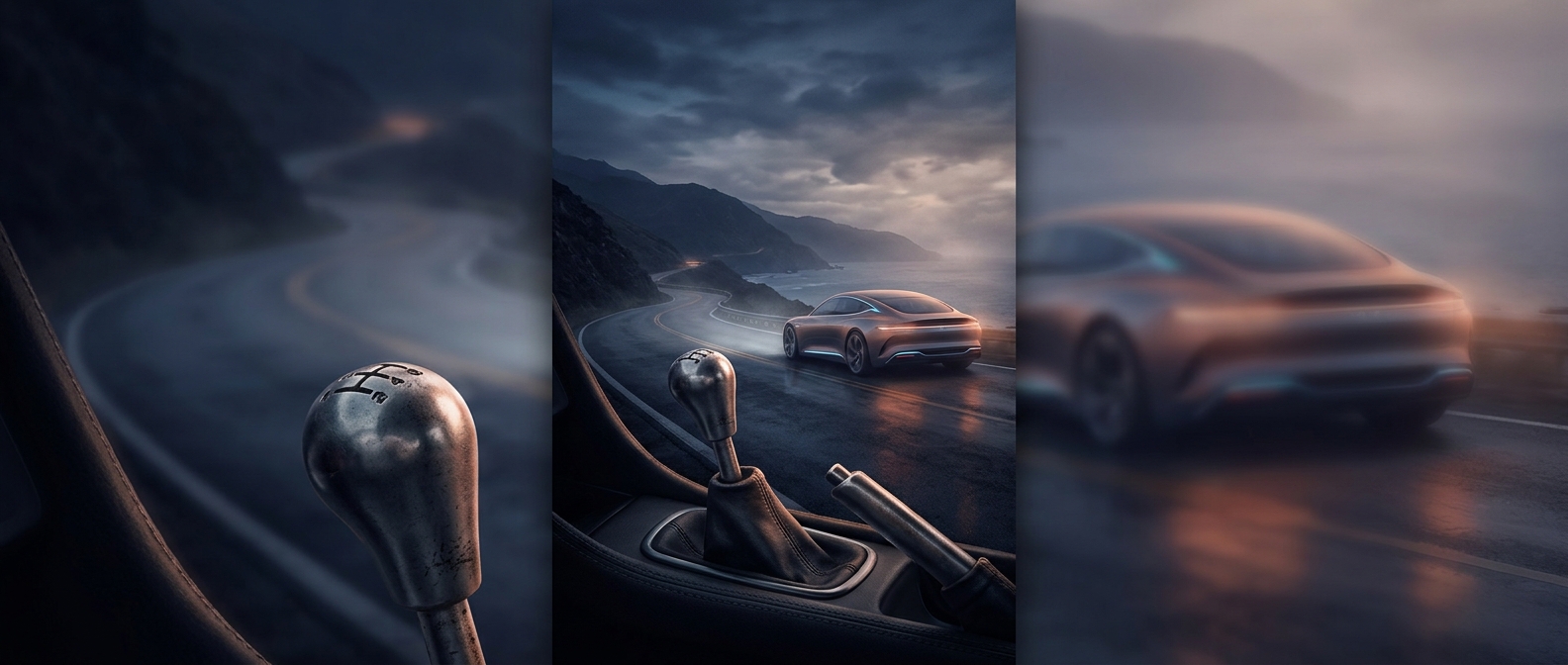
A rental company usually buys vehicles for the drivers it expects to serve. In much of Europe, manual-transmission cars have long been the ordinary choice for private buyers, so they make up a larger share of the cars available to rental fleets. That leaves companies with more manuals to rotate among customers and fewer automatics to offer.
The result is not a continent-wide rule: the mix varies by country, city, company, and vehicle class. But an American traveler accustomed to automatic cars may find that the default in a booking system is not the default back home.
Why an automatic can cost more
When a rental company has fewer automatic cars, it has less flexibility to meet demand for them. Those cars may also need to be sourced or assigned separately rather than drawn from the largest pool of vehicles. The price can therefore reflect limited availability as well as the car itself—not simply a luxury feature or a more expensive model.
That scarcity matters most when many travelers want automatics at once. A booking page may show a vehicle category without making the transmission obvious, so choosing a compact or economy class does not necessarily mean choosing an automatic.
Check the transmission, not just the category
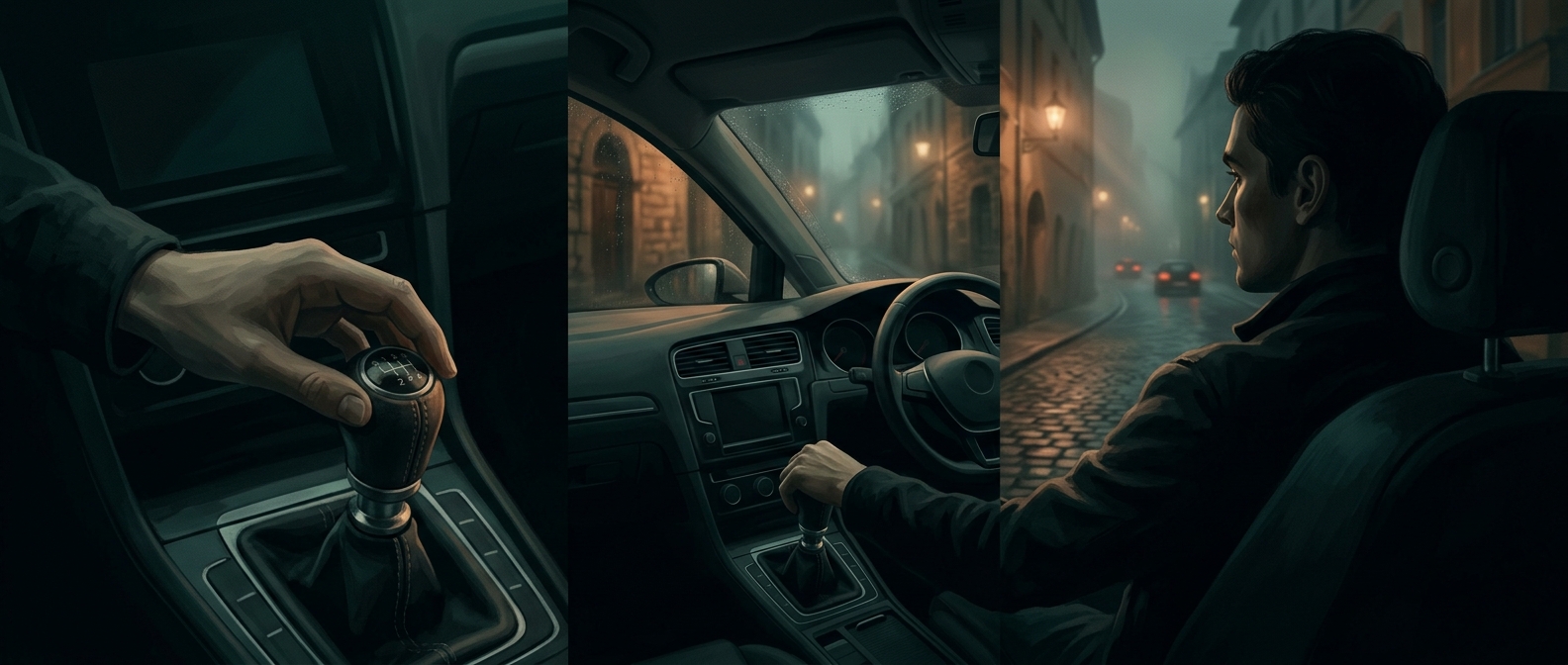
Look for an explicit “automatic” listing in the vehicle details before paying, and confirm it on the reservation if the distinction is essential. If the booking says “or similar,” the transmission should still be specified; otherwise, ask the company what that promise covers. A manual car requires the driver to operate a clutch and shift gears, which can be unfamiliar—and stressful—in traffic or on steep streets.
A few minutes spent checking the transmission can prevent a costly surprise at the counter, when changing to a scarce automatic may mean paying more or accepting a different car.