A Border Can Change the Rules Beneath Your Tracks
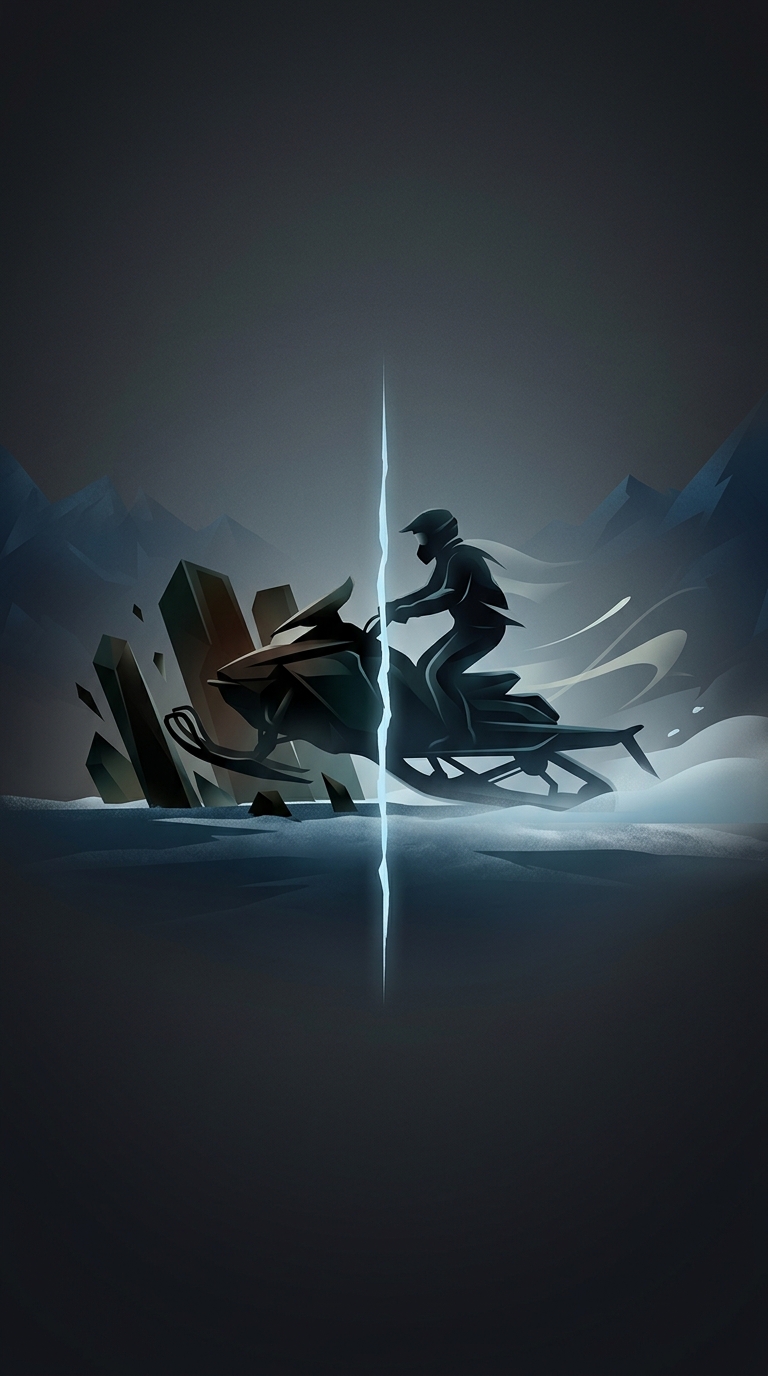
A snowmobile may feel like an ordinary way to travel across a winter landscape, but its legal status changes at the national border. Sweden generally allows snowmobiling subject to local restrictions; Norway tightly limits motorized travel in uncultivated areas, with use confined to permitted routes or specific exceptions. The key distinction is not the machine itself but where it is being driven.
Why the Engine Matters
A running snowmobile brings more than speed: its noise can disturb wildlife, and repeated traffic can damage vulnerable ground beneath the snow. Norway’s restrictions are designed to limit those effects, so a route that seems like a natural continuation of a Swedish trail may not be open to motorized travel on the Norwegian side.
Stopping the engine and pulling the machine by hand avoids driving it under its own power during that stretch. But that should not be mistaken for a universal legal loophole: the rules can depend on the location, route, and circumstances, and physically crossing a border does not automatically authorize later riding.
A Crossing That Requires Planning
The practical consequence is that a cross-border snowmobile trip cannot be planned as if the snowfield were one continuous road. Riders need to check which routes are permitted on each side and where motorized travel must stop. At the border, the change may be visible only as a line on a map—but it can determine whether the next few meters are traveled by throttle or by hand.