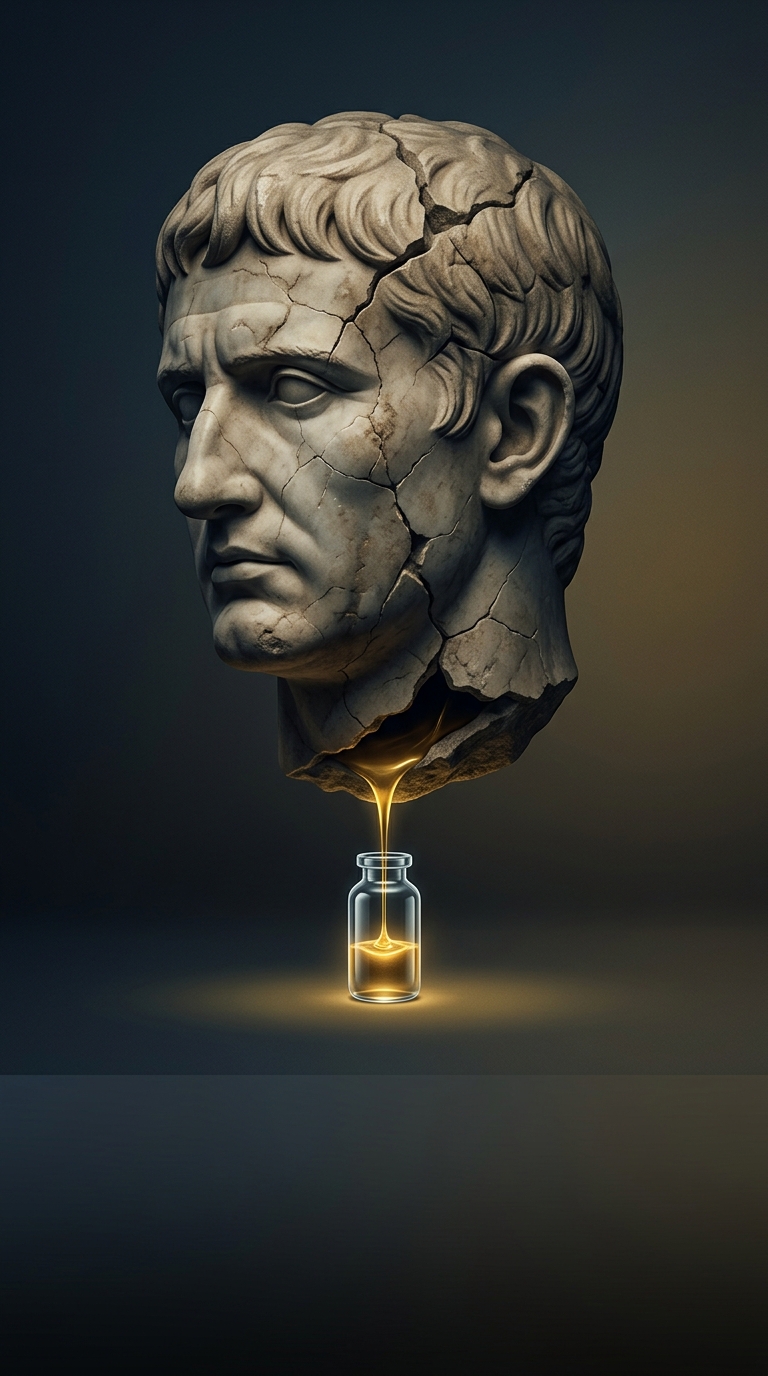
Why Roman laundries wanted urine
The valuable part of stale urine was not the liquid itself but the ammonia it could produce. As urine sat, bacteria broke down urea—a waste chemical in urine—releasing ammonia, which makes a solution alkaline. That chemistry helped loosen grease and grime from cloth.
Roman fullers, workers who cleaned and finished textiles, used urine in large washing vats. They trampled garments in the mixture, then rinsed and worked the fabric further. The process was especially useful before modern soaps and detergents existed; urine was a readily available source of cleaning power.
From public toilets to a taxable commodity
Public latrines provided a steady supply. Urine could be gathered in containers and sold to businesses that used it, so it had an economic value beyond its original purpose. Vespasian’s levy is generally understood as a tax on this trade—not a fee charged to every person who used a public toilet.
That distinction explains the joke later associated with the emperor. When his son objected to the tax, Vespasian reportedly pointed out that money collected from the urine trade did not smell. The episode captured the practical logic behind the levy: an unpleasant waste product became a useful input for an ordinary urban industry.
The next time a Roman garment came back clean, the process may have begun in a public latrine.**