A Room That Changes Use by the Hour
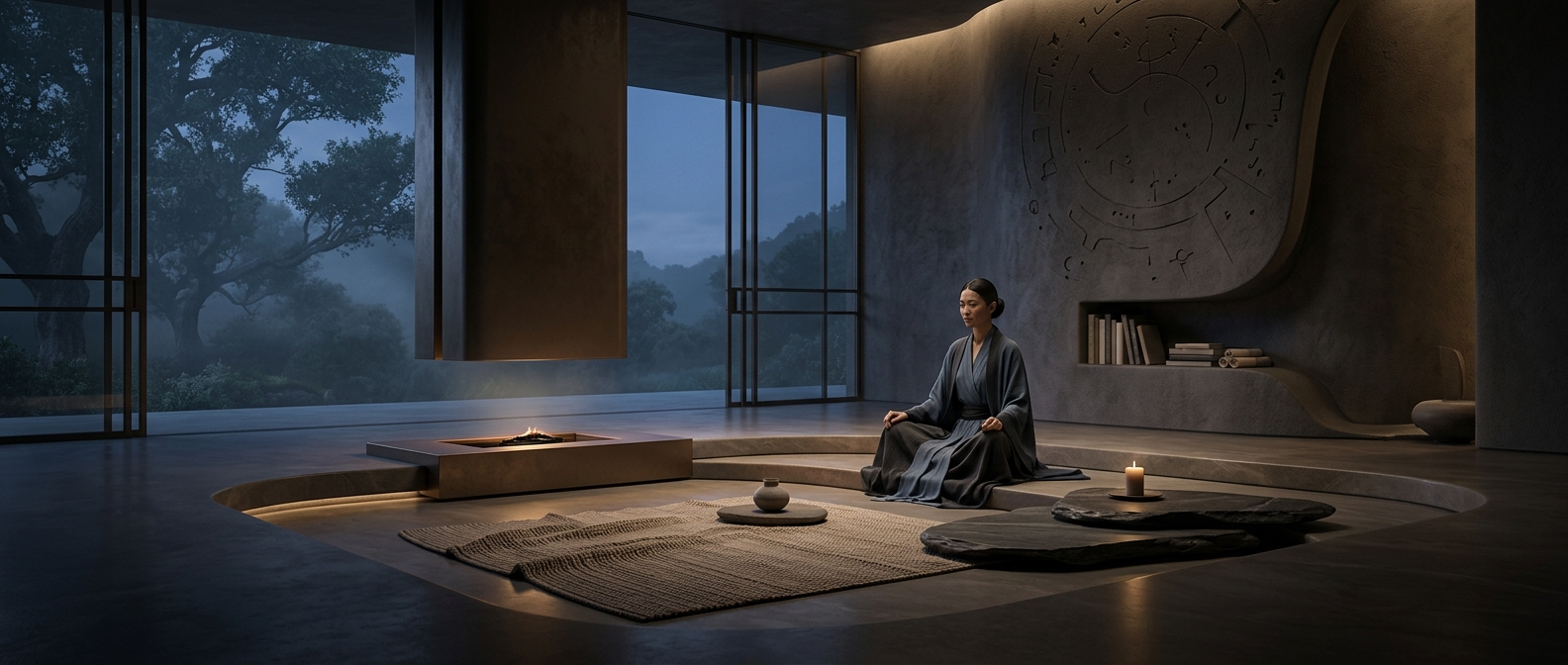
When daily activities happen on the floor, the room does not need a separate chair, table, and bed permanently occupying its center. People can sit, eat, rest, or work on the same open surface, then clear it for another use. The key shift is that the room’s main resource is usable floor area, not fixed furniture.
That does not mean every function disappears. A cushion can make sitting more comfortable; a low tray can serve as a table; bedding or other items can be put away when they are not needed. In place of large, stationary pieces, the arrangement depends on objects that are low, movable, or stored along the edges of the room.
The Tradeoff Behind the Open Space
Keeping the center clear makes a small or multipurpose room easier to rearrange. But the floor becomes the surface people rely on, so it needs to be comfortable and kept clear of clutter. Getting down and back up can also be inconvenient for some people, and floor-level living may feel cold or uncomfortable without suitable flooring and padding.
The result is not simply an emptier room: it is a room whose layout is reset as needs change. A space that would otherwise be taken up by a bed or dining set can be opened for another activity, then used again for sitting or sleeping when portable furnishings are brought out.