Why Breaking Bad’s “Blue Meth” Was Candy
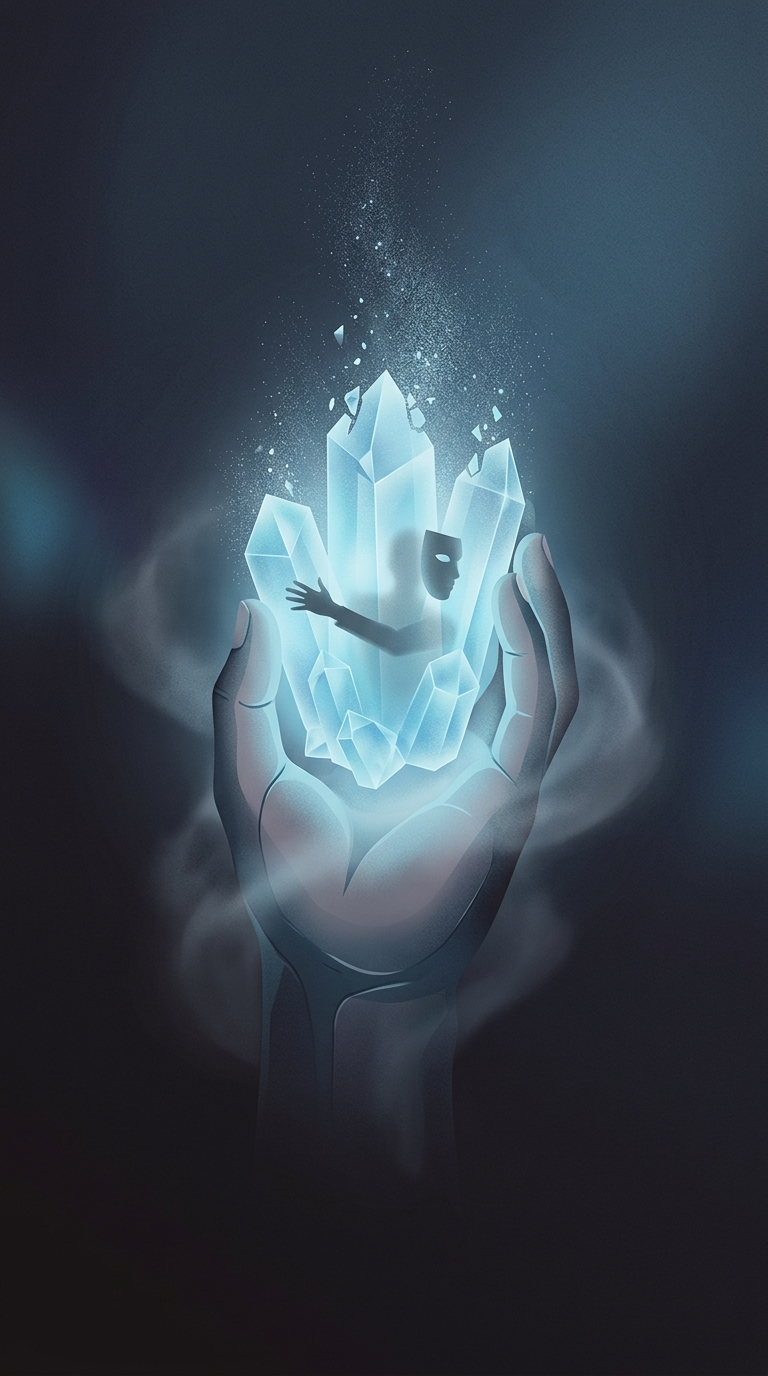
The blue crystals that give Walter White’s product its instantly recognizable look were a film prop, not a drug. For the scenes, the production used blue rock candy supplied by a sweets shop in Albuquerque, where the series was filmed. Its sugar crystals could catch the light like jagged chunks of glass while remaining safe to handle on set.
That practical choice solved a small but recurring production problem: the substance had to look convincing in close-ups and be present across scenes, yet actors needed to pick it up, carry it, and sometimes put it in their mouths. Rock candy made the prop edible, so Bryan Cranston and Aaron Paul could snack on pieces between takes, as reported in accounts of the production.
A color that became part of the story
The vivid blue was more than a visual flourish. In the show, the color makes Walter’s product easy to recognize and helps turn an illicit substance into a distinctive, almost branded commodity. Viewers can spot it at a glance, even when the story shifts between labs, deals, and police investigations.
That visual identity also fits the series’ focus on manufacturing: Walter’s insistence on purity and precision becomes visible in the product itself. The candy prop let the production repeat that image consistently without using a dangerous substance. A local Albuquerque sweet became a memorable piece of television design—and, on set, an occasional snack.