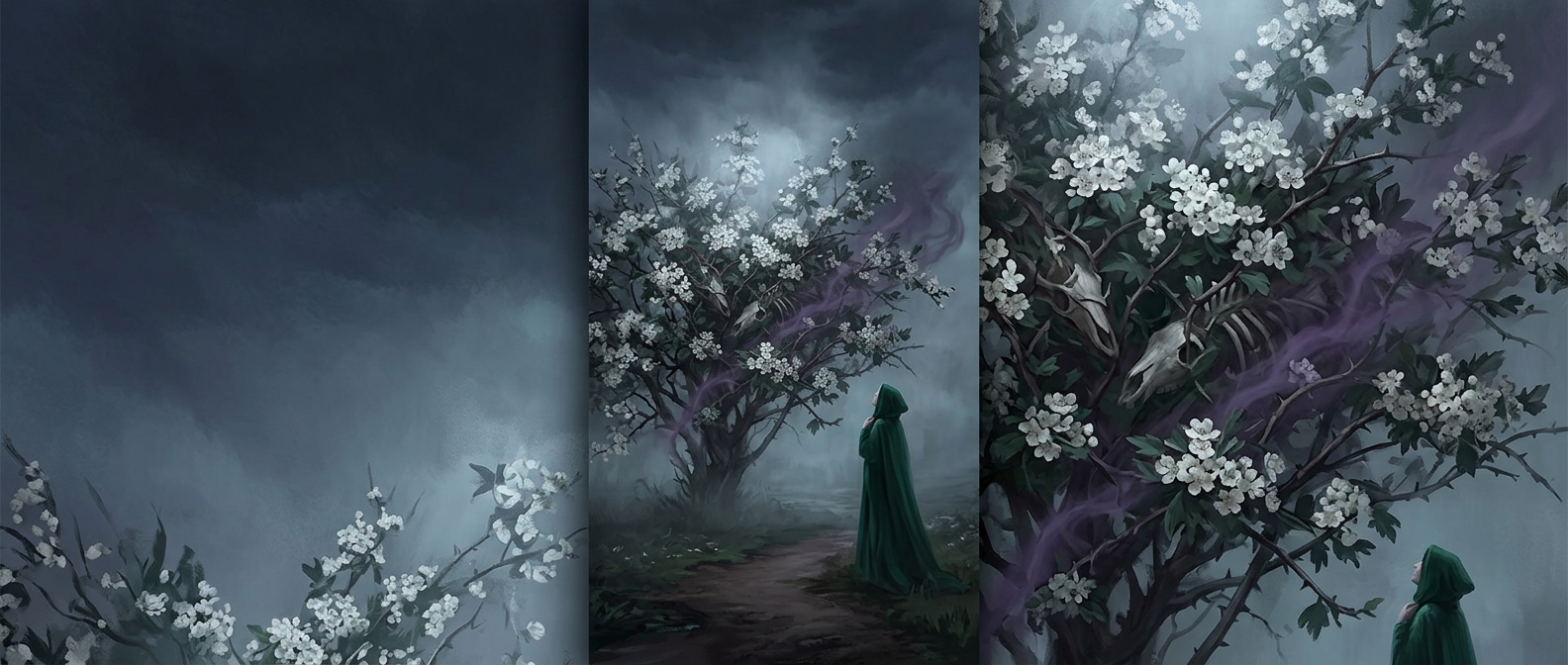
Why hawthorn blossoms can smell like decay
The scent comes from chemistry, not from the flower’s appearance. Hawthorn blossoms can release trimethylamine, a volatile compound—one that readily evaporates into the air and reaches the nose. At low concentrations, it has a sharp, fishy or stale odor that people may describe as rotting meat. The comparison is especially striking because the flowers themselves are small, pale, and delicate.
A smell with a possible purpose
A flower’s fragrance is part of how it interacts with insects. Sweet scents can draw in bees and other pollinators; odors that suggest decay may be noticed by flies and other insects that visit organic matter. When an insect lands on a blossom, it can pick up pollen and carry it to another flower.
That does not mean every hawthorn smells equally foul, or that every visitor is responding to the same odor. Scent varies with the plant and conditions, and a person’s description depends partly on their own sense of smell. But the mismatch between a graceful bloom and its unexpectedly harsh fragrance is no accident of appearance: flowers use airborne chemicals to communicate with the insects around them.
The memorable contrast
A hawthorn hedge in bloom can therefore look like a springtime display while sending out a scent more often associated with decay. The same chemical signal that makes the blossoms unpleasant to some people may help make them detectable to insects.