Why Britain Put a Walker in Front of a Motor Vehicle
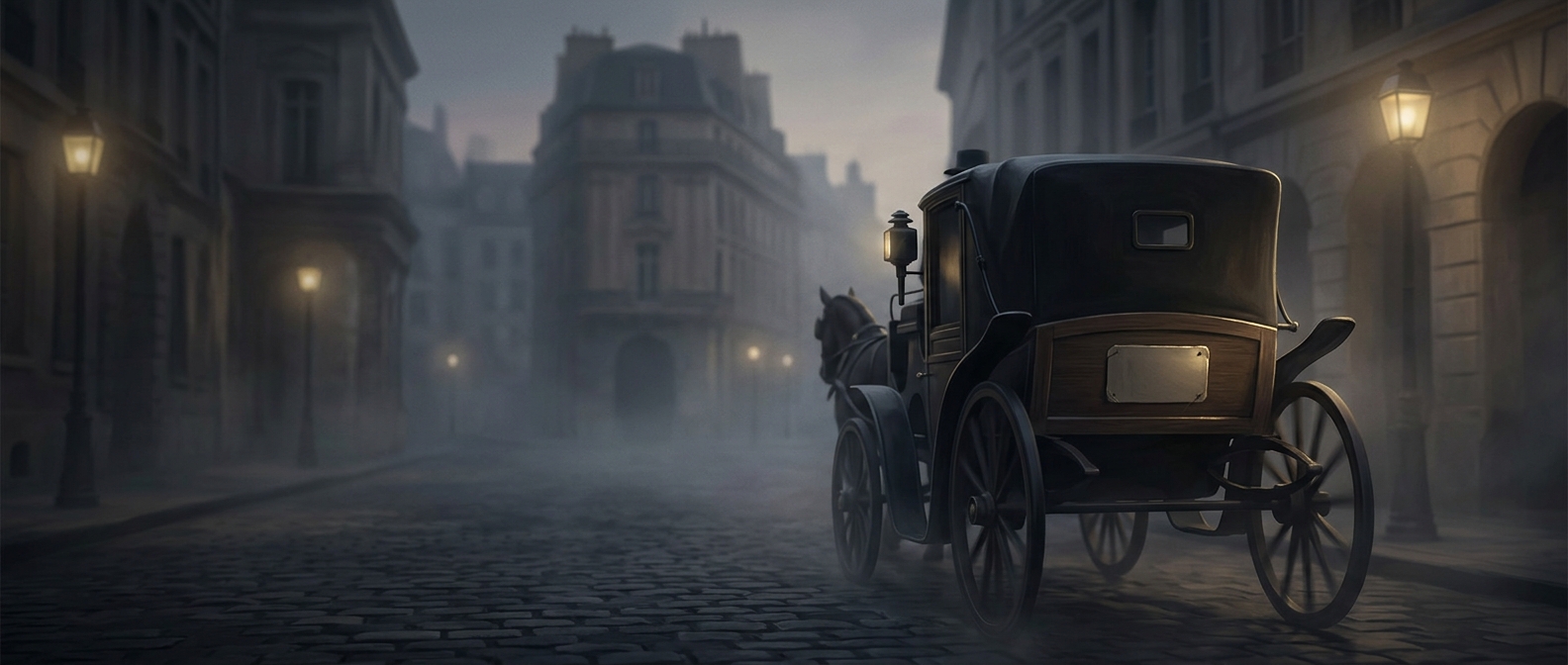
The rule reflected a world in which roads were shared with horses, not built for cars. Early road locomotives—often heavy, steam-powered machines—could frighten animals and make narrow roads feel hazardous. The law’s answer was not simply to slow them down: it required a person to walk ahead, warn people and horse traffic, and help prevent a startled animal from meeting the machine without notice.
That person had to carry a red flag and stay at least 60 yards in front. The distance gave a warning time, but it also made the vehicle’s progress depend on a small crew rather than on the driver alone. A machine that could move under its own power was treated as a managed procession.
A Speed Limit That Also Restricted Use
The Act set different limits by location: two miles per hour in towns and cities, and four miles per hour elsewhere. Those limits mattered, but so did the labor and coordination required to comply. Operating a road locomotive meant having people available to guide and warn, while moving at a pace slow enough to fit the law’s cautious approach to shared roads.
The red flag was therefore more than a warning device. It made the vehicle’s presence visible well before the machine arrived—and made clear that Britain’s first rules for motorized road travel were shaped by the needs and fears of existing road users. Before motorists could claim the road, they had to send someone walking ahead of them.