A word for motion before it was a genre
In early-20th-century slang, “jazz” could suggest pep, vigor, or unruly energy. That made it an apt name for a new kind of horn-led music whose sound could feel less orderly than the tightly arranged popular music many listeners knew. The word did not arrive with a neat definition attached: slang shifts by place and speaker, and its early meanings could overlap.
Why the description fit the sound
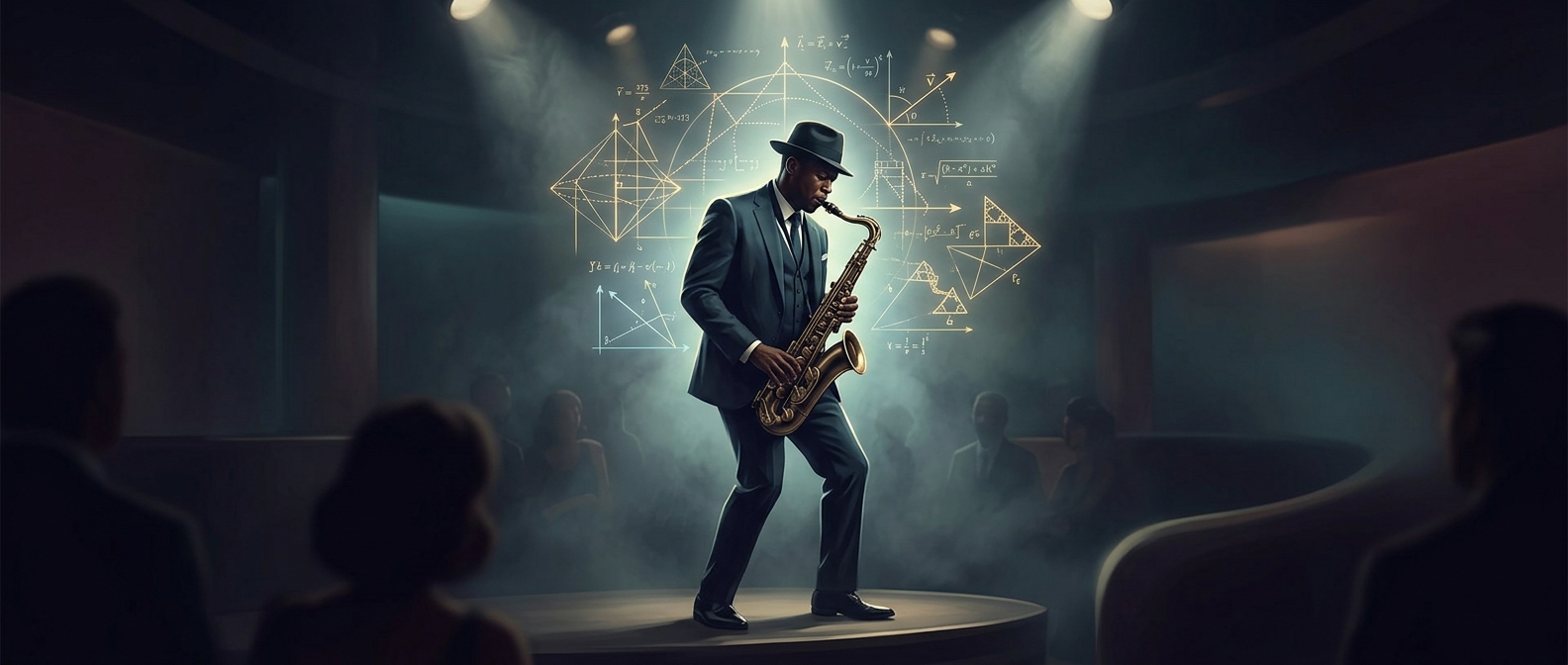
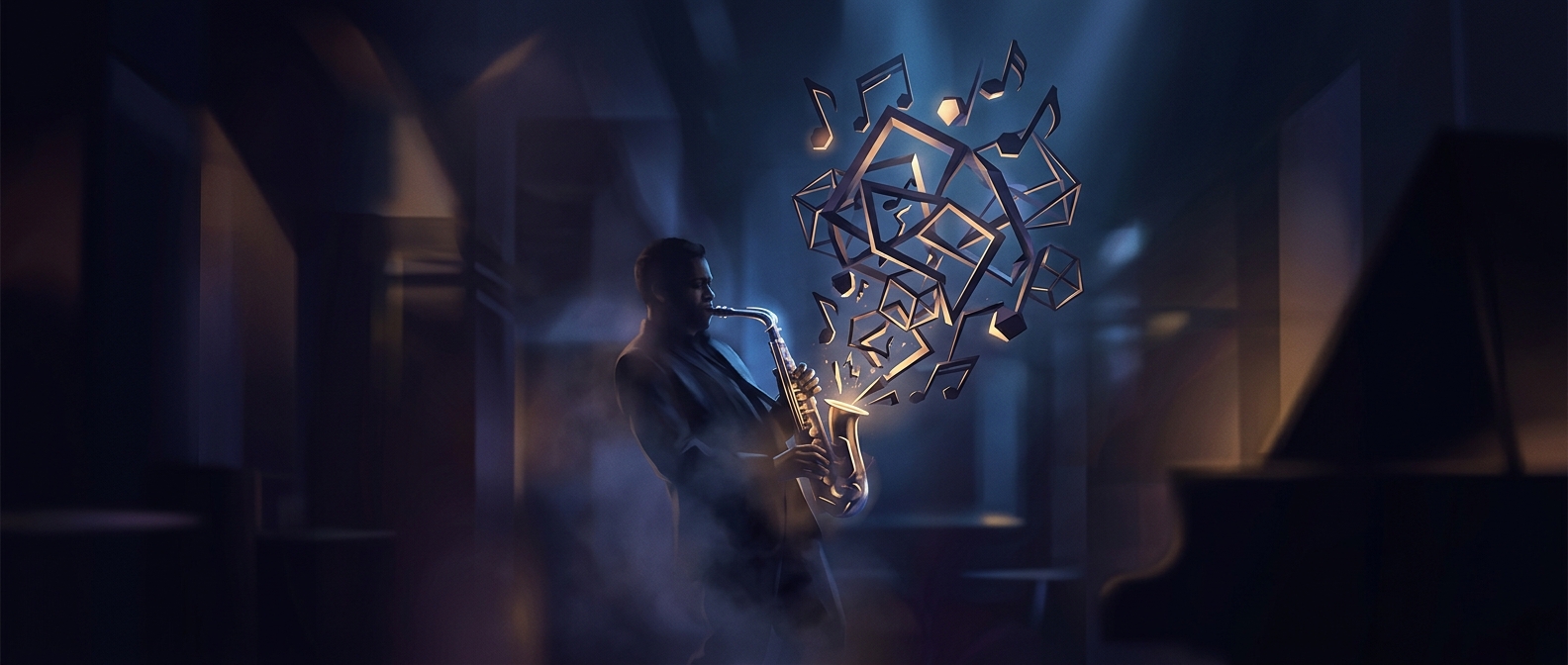
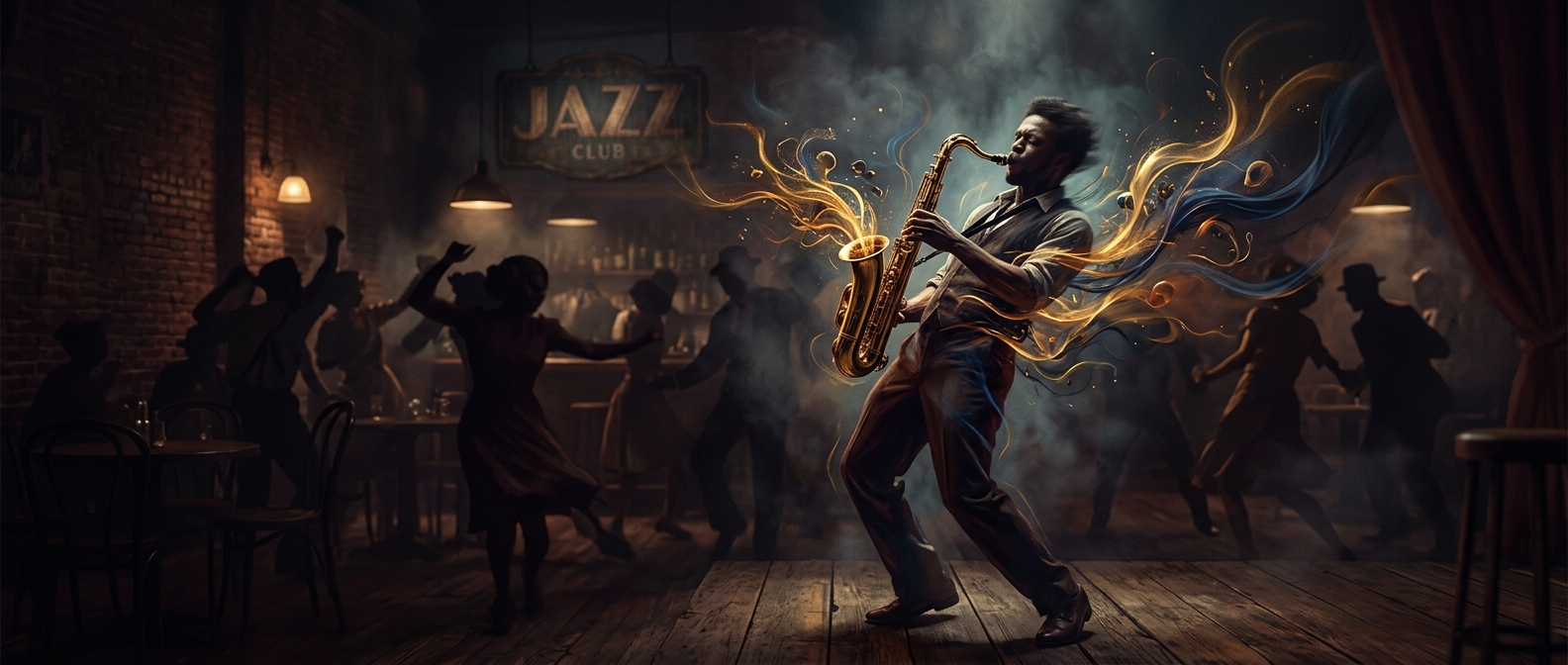
Jazz invited musicians to vary a tune as they played. A horn player might bend a note, push a phrase ahead of the beat, or invent a response to another musician. Those choices gave performances a sense of motion and surprise. Syncopation—placing emphasis where listeners may not expect it—added to the impression of rhythmic drive.
To some ears, that freedom could sound chaotic; to others, it sounded lively and inventive. Calling the music “jazz” captured that charged quality more readily than a tidy label for its instruments or structure. As the music spread and developed, the word became the name of a broad musical tradition, not merely a slang term for excitement. But its early association with energy remains audible in the way the music can make a familiar melody seem newly in motion.