Sugar cravings are tied to both reward and routine
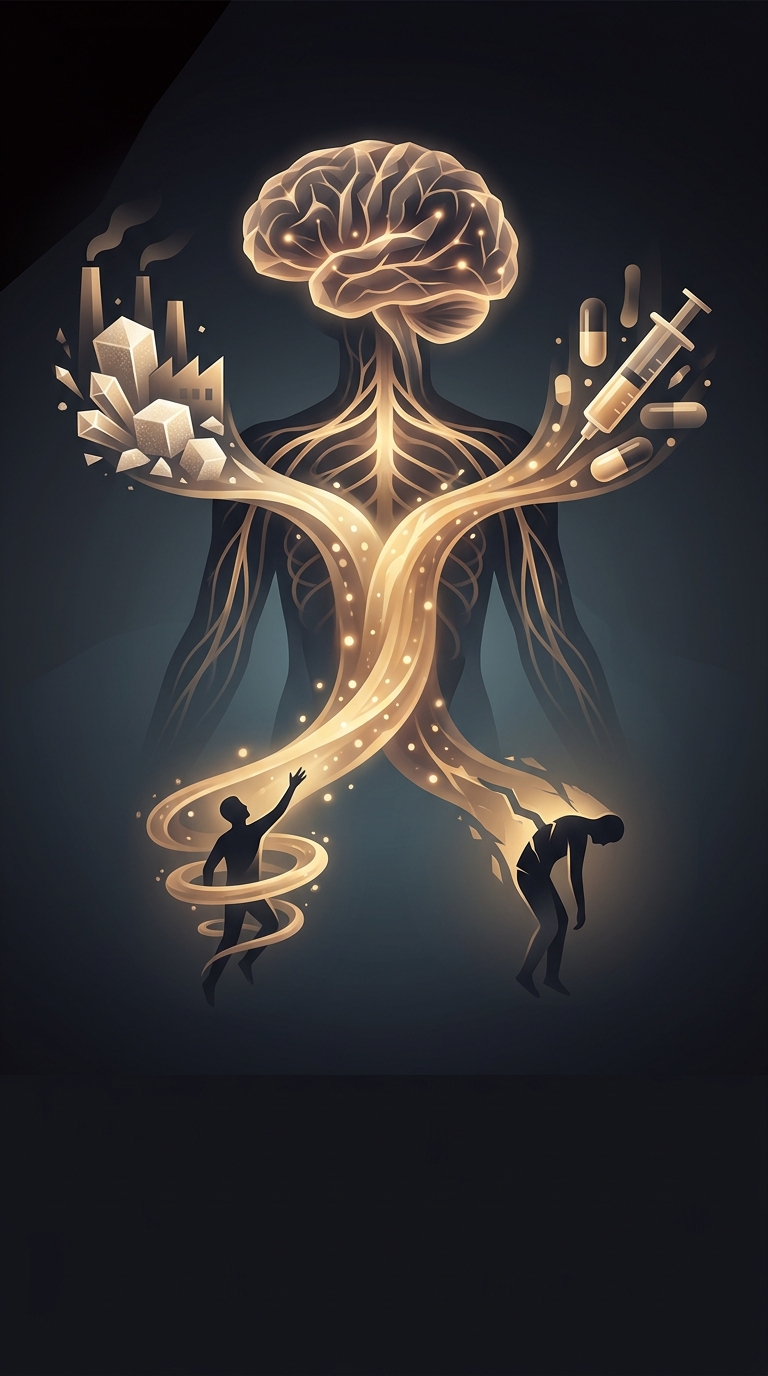
Sweet foods activate the brain’s reward system, which helps motivate eating energy-rich food. The brain also learns the circumstances around that reward: a pastry with morning coffee, dessert after dinner, or a sweet snack during an afternoon slump. Once those pairings become routine, familiar cues can trigger wanting before a person has decided they are hungry.
That is one reason a daily habit can feel stubborn. Cutting back means changing not just a taste preference but a repeated loop of cue, craving, and reward. The craving may return at the same time of day or in the same setting, even after the initial decision to stop.
The food environment keeps the loop easy to repeat
Added sugar is common in drinks, snacks, and desserts, and sweet foods are often convenient and heavily promoted. A person trying to quit may encounter reminders throughout the day while also navigating social routines and easy access. Unlike avoiding a single, clearly defined product, reducing sugar can require noticing it across many foods—and deciding what to eat instead.
That does not mean sugar works exactly like an addictive drug. Sweet foods engage reward circuitry, but the evidence does not support treating ordinary sugar cravings as biologically identical to drug dependence. People also vary: the difficulty depends on how much sugar they eat, what role it plays in their routines, and what alternatives are available.
Why stopping can feel rough
When a familiar source of comfort or quick pleasure disappears, irritability or strong cravings can follow. These experiences are real, but they are not proof of a special sugar-withdrawal syndrome; hunger, disrupted routines, and expectations can contribute too. Often, the hard part is the combination of a learned reward and a daily environment that repeatedly offers it. That is why changing the cue or replacing the routine can matter as much as sheer willpower.