A whiskey menu that turns a pause into exploration
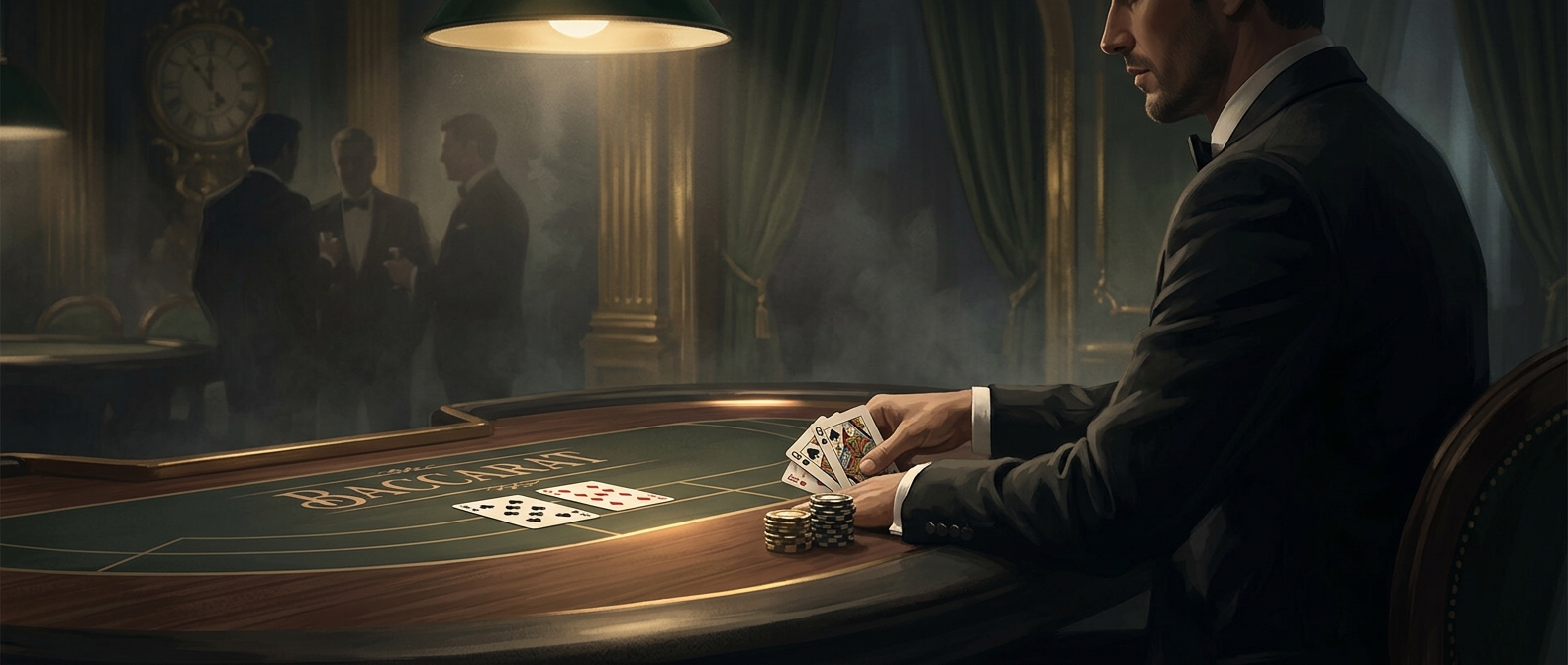
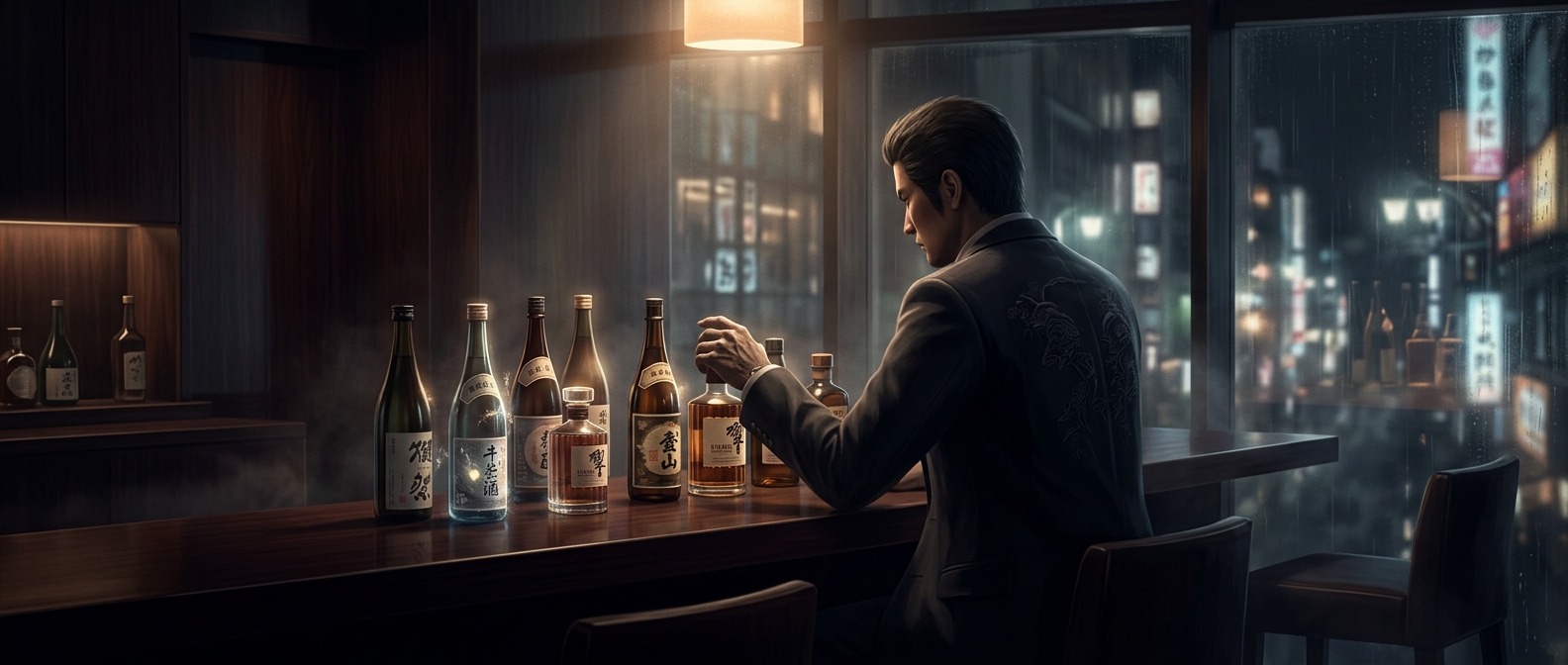
In a crime drama, a bar can be more than a backdrop for the next confrontation. Giving players real-world whiskey descriptions to read makes the stop feel like an activity in its own right: they can linger, browse, and learn instead of treating the venue as a corridor between missions.
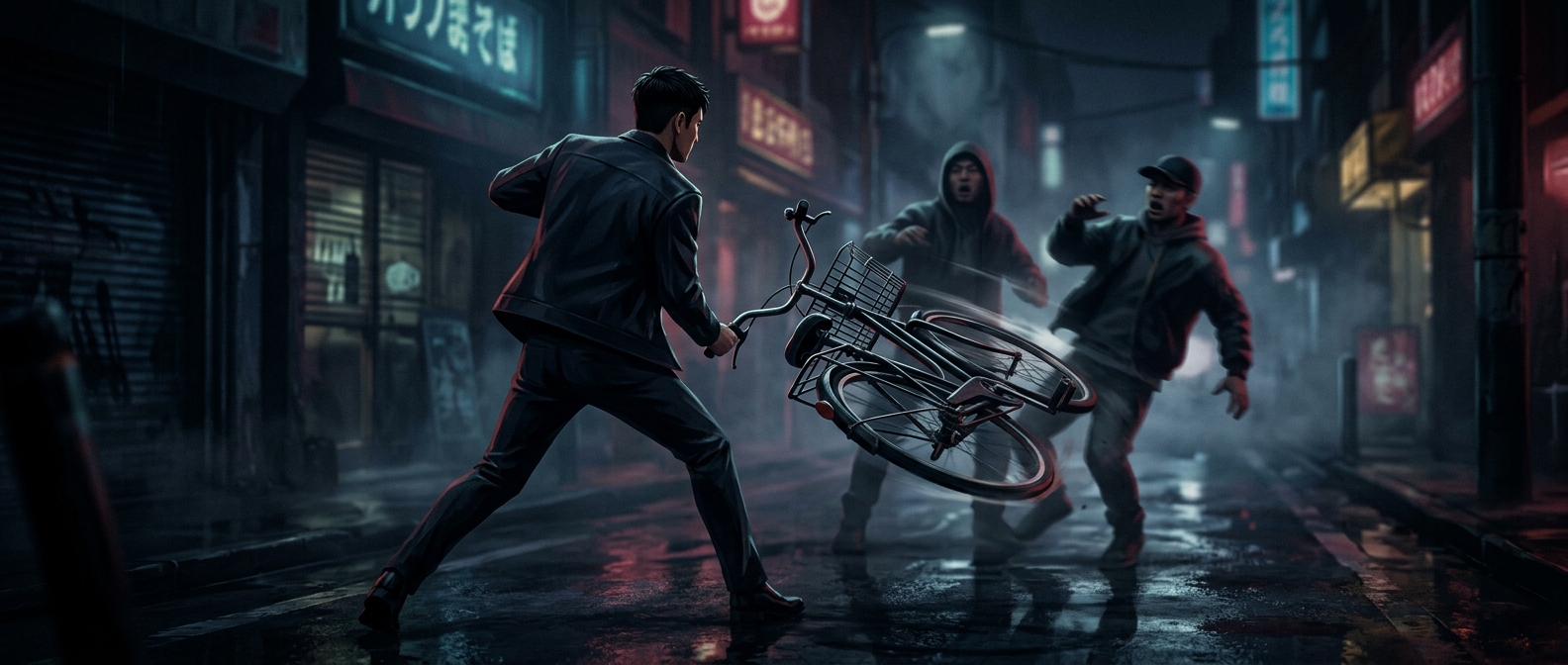
That small choice changes the game’s rhythm. Street fights and urgent plot beats ask for attention; reading about a drink invites the player to slow down. Because the information concerns actual Japanese whiskey rather than invented lore, the bar’s ordinary details connect the fictional story to a world the player can recognize beyond the screen.
Real detail makes a fictional place feel inhabited
A venue modeled on local bars gains texture from the things people might actually notice there—not just its appearance, but what it serves and how it presents those choices. The whiskey descriptions give players something to inspect that is separate from the crime plot, suggesting a place with a life beyond the protagonist’s immediate troubles.
The result is a useful contrast: the game can keep its dramatic stakes while letting players set their own pace. Someone focused on the next fight can move on; someone curious about the bar can stop and read. The whiskey is not merely scenery—it gives the player a reason to inhabit the setting for a moment.