What the needle is aimed at
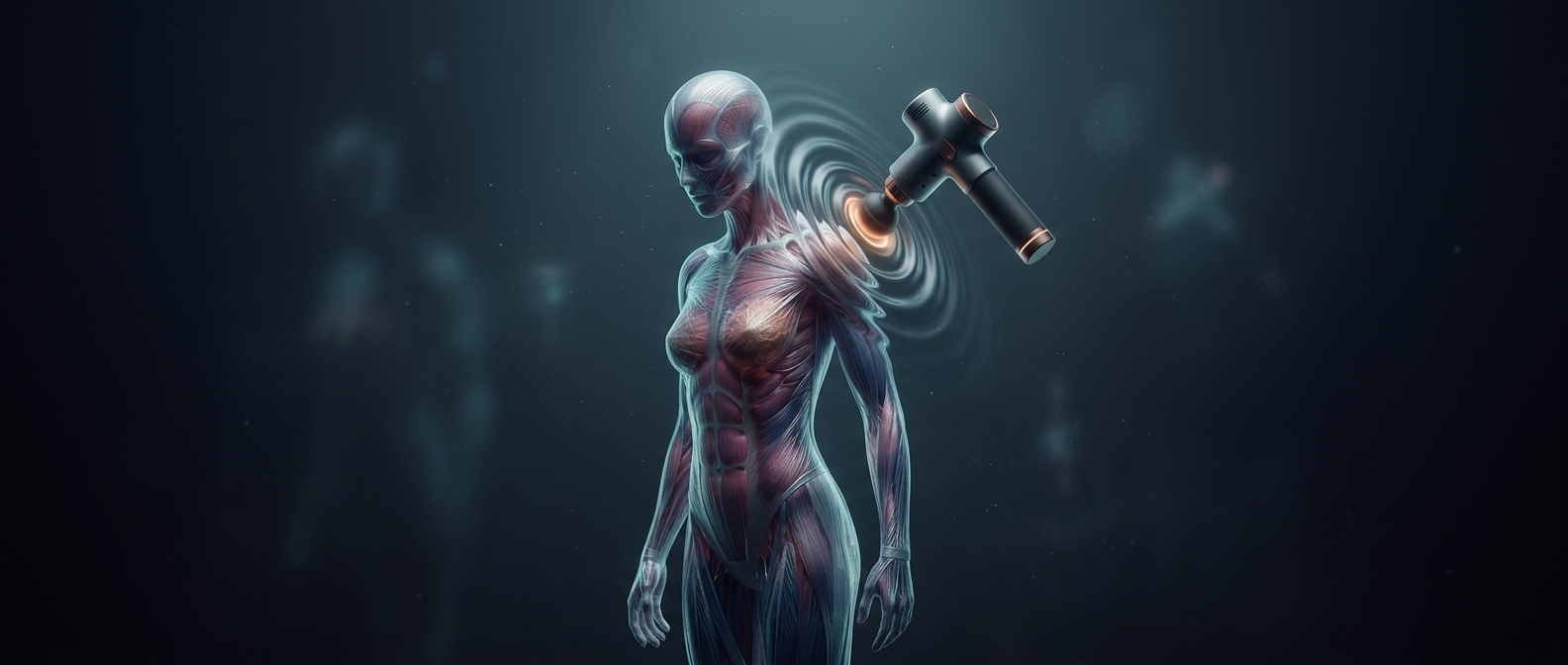
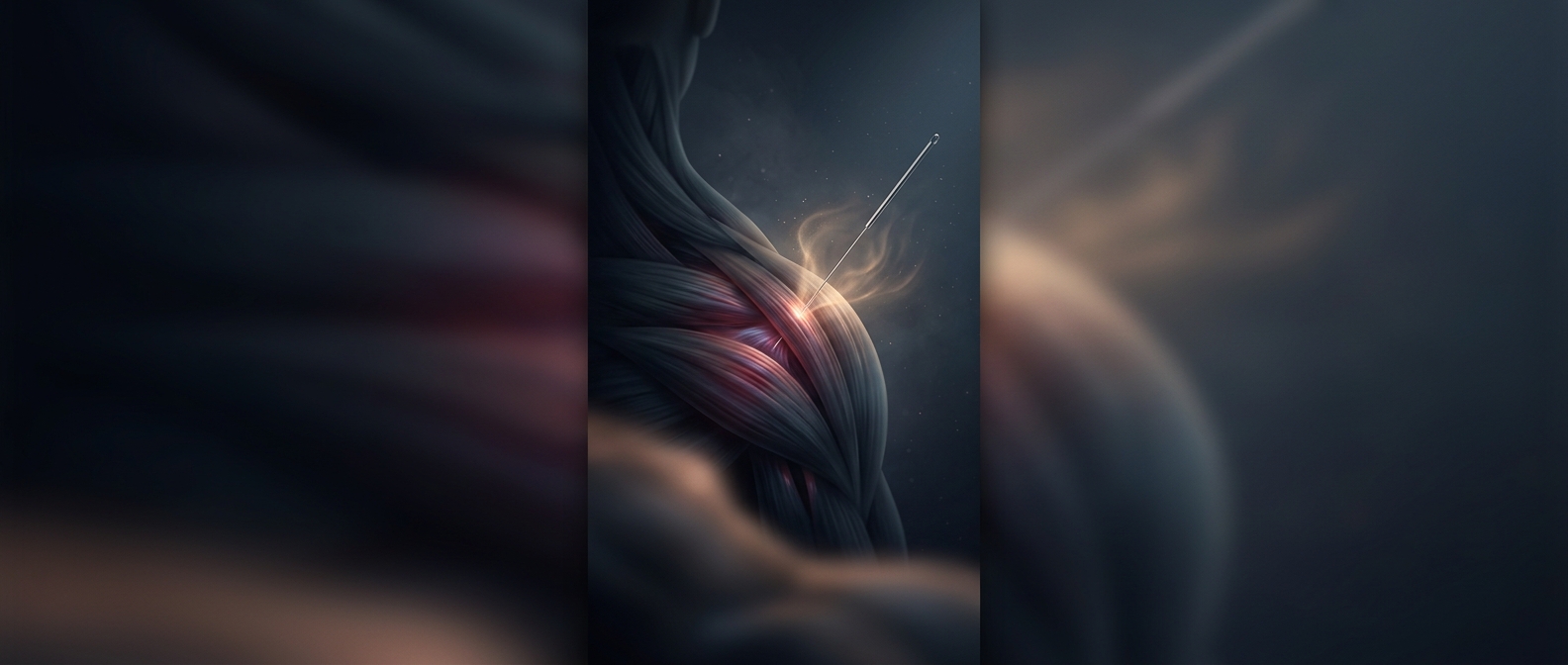
In dry needling, a practitioner inserts a fine, solid needle into muscle without injecting medicine. The target is often a taut band: a strip of muscle that feels unusually tight, sometimes with a tender spot within it. Such spots are commonly called trigger points when they are painful or sensitive to pressure.
The needle’s small movement can mechanically stimulate muscle fibers and nearby nerve endings. In some cases, that stimulation sets off a brief local twitch—a reflexive contraction rather than a deliberate movement. Not every insertion produces one, and a twitch is not required for the technique to be used.
Why a twitch may matter—and what it cannot show
Practitioners may use the response as a sign that the needle has engaged a responsive area of muscle. The aim is to ease pain or restricted movement, perhaps by changing local muscle activity and the nervous system’s sensitivity to the area. Researchers have proposed several explanations for how relief occurs; no single mechanism accounts for every case.
That distinction matters: a visible twitch is a bodily response, not proof that a particular diagnosis is correct or that treatment will work. People can feel soreness afterward, and the effects and risks depend on where and how needling is performed. The twitch is striking because it shows that muscle can react automatically to a small, precisely placed stimulus—even while the person remains still.