How Skull Measurements Became a Map of the Mind
Franz Joseph Gall’s system began with a real question: if different parts of the brain do different jobs, could their development reveal a person’s strongest mental traits? Gall argued that the brain contained separate “organs” for faculties such as memory, courage, and secretiveness. He then made a crucial leap: because the skull enclosed the brain, he thought its contours could show which organs were unusually developed.
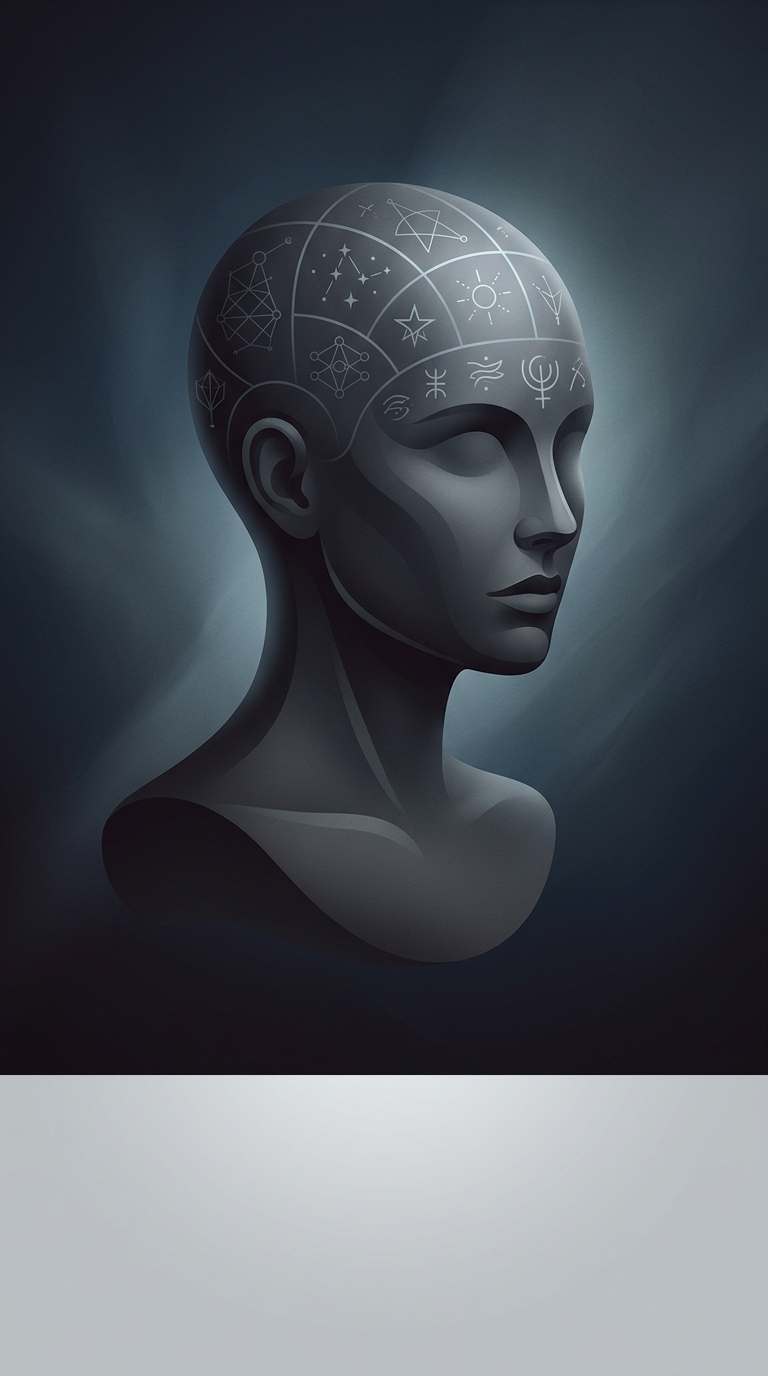
That idea became phrenology. A practitioner felt or measured a person’s head, matched its bumps and hollows to a chart, and inferred character. The charts divided the head into regions assigned to traits—including combativeness and a supposed propensity for murder. The method offered a physical-looking answer to questions that were otherwise difficult to settle: what someone was like, and what they might do.
Why the System Seemed Convincing
Phrenology borrowed the authority of anatomy. Its numbered maps and hands-on examinations made judgments about character seem observable rather than merely speculative. But the central measurement did not work: the shape of the skull cannot reliably disclose the size of particular brain regions or reveal a person’s character and future. The chart could give a precise address to a trait without providing a sound way to locate it.
The episode also illustrates how a flawed theory can contain a more defensible question. Modern neuroscience does find that some brain functions depend more heavily on particular regions, but that does not mean complex qualities such as honesty or a tendency toward violence occupy neat, readable patches. Gall’s enduring historical significance is less the accuracy of his head maps than the distinction his work forces us to make: a brain may have specialized parts without the skull serving as a map of personality.