A Ghost Appeared Beyond the Cabinet
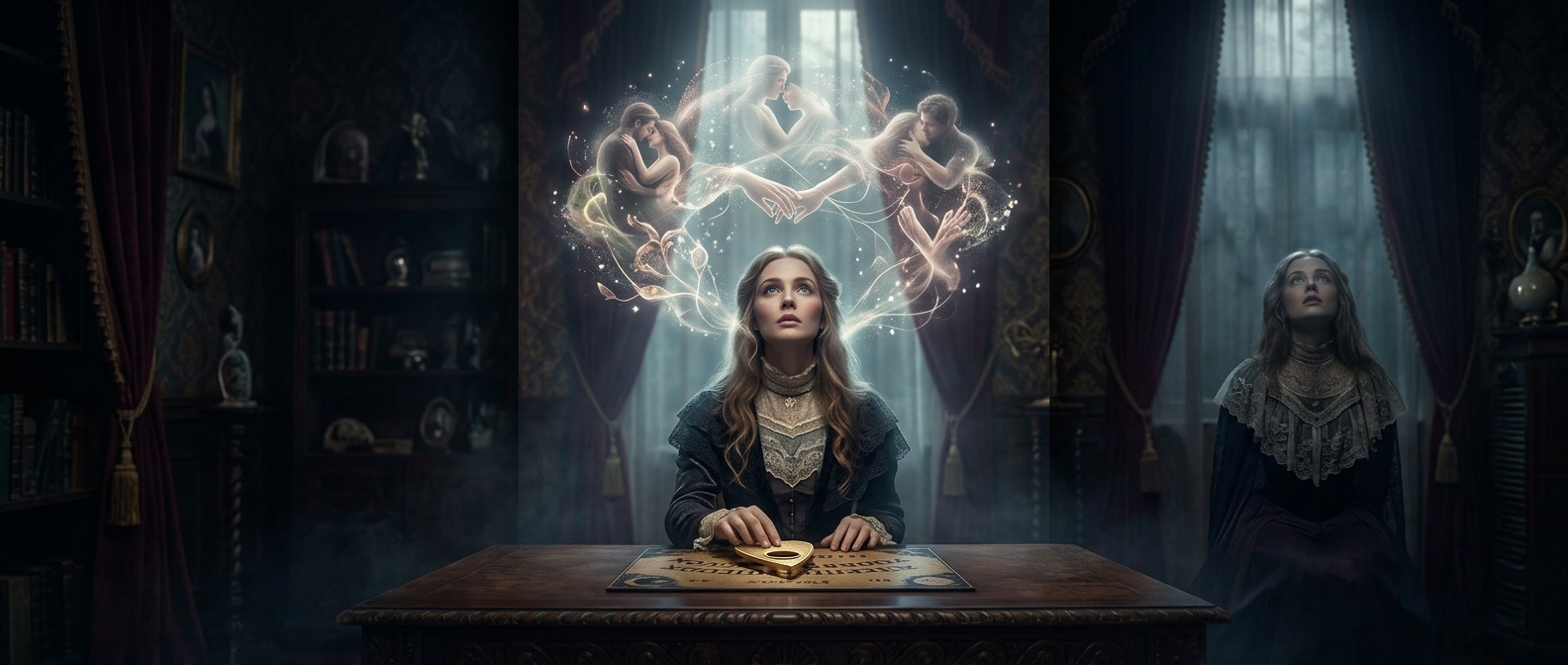
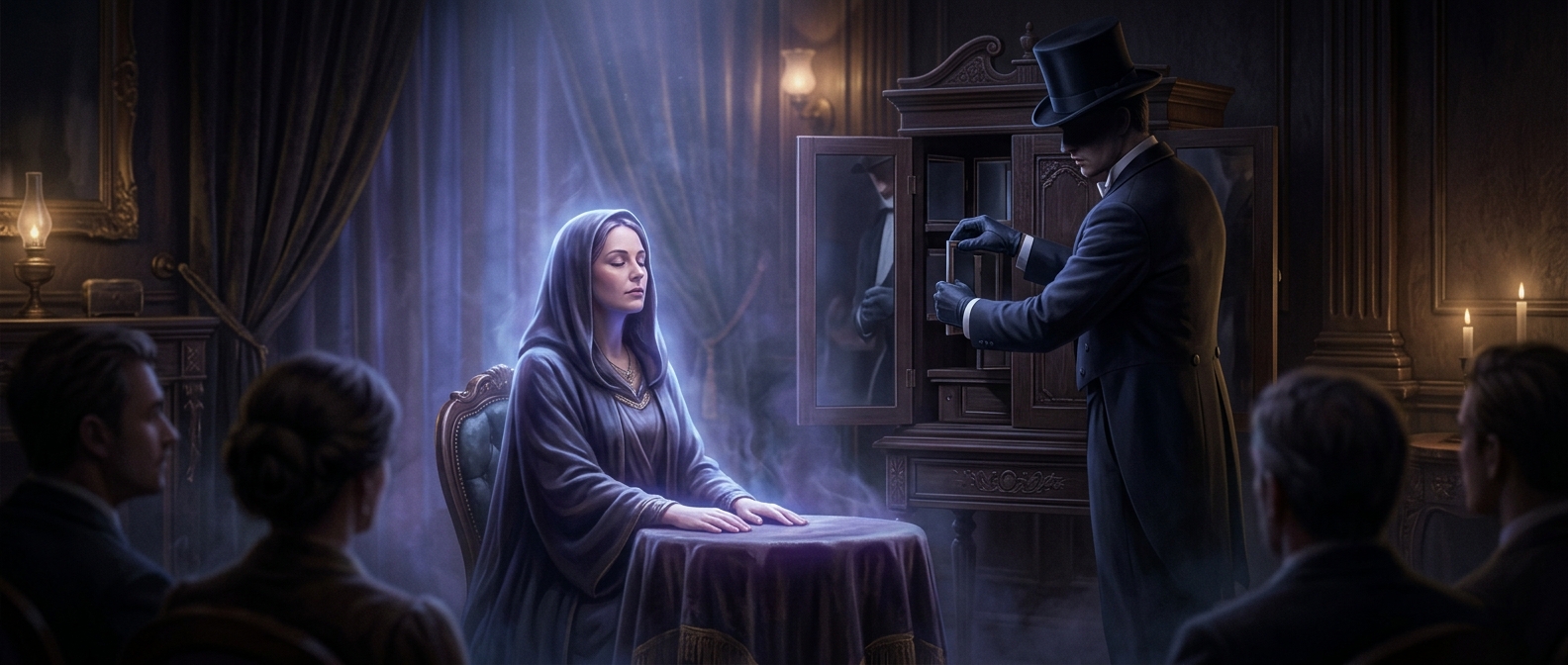
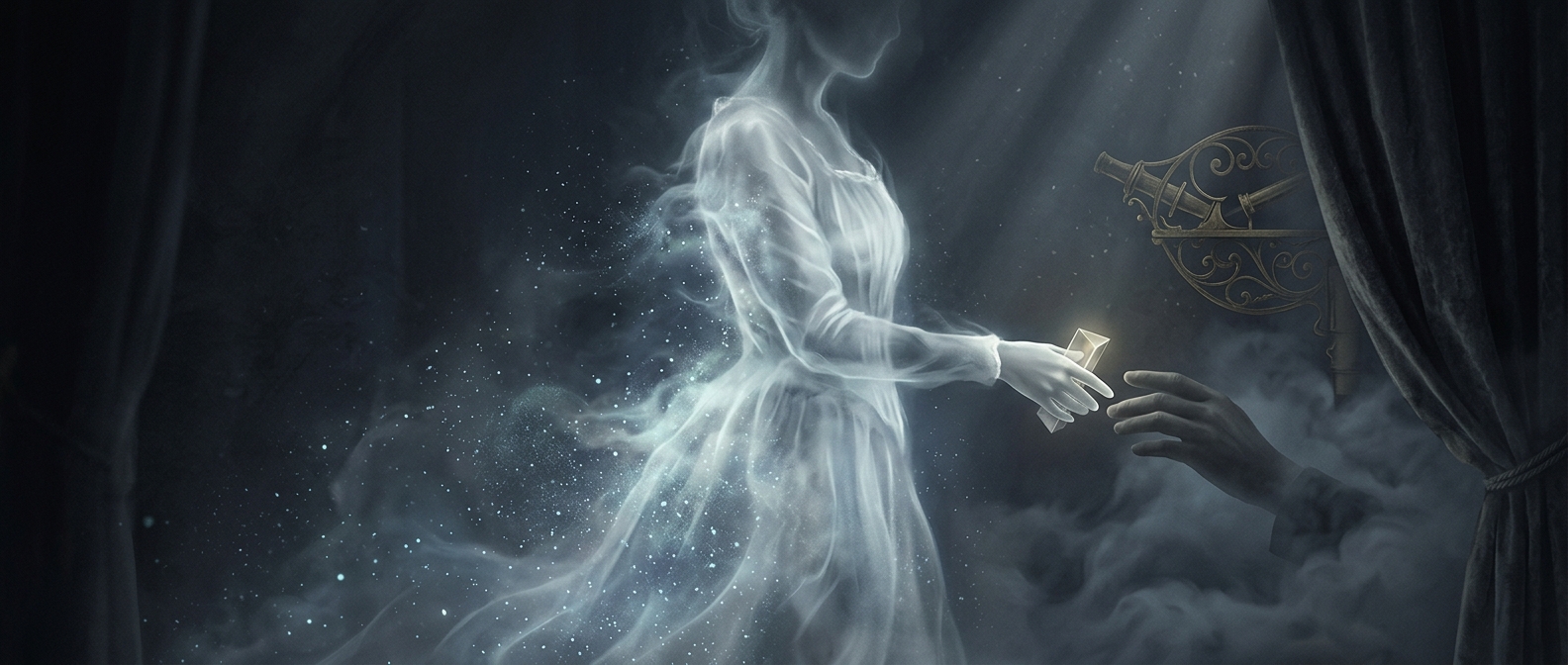
In Florence Cook’s séances, the “cabinet” was a curtained or enclosed space where the medium sat out of sight. A figure dressed in white would then emerge, presented as Katie King, a spirit with a distinct identity. The arrangement made the appearance feel like an event unfolding in the room—not simply a story Cook told from her seat.
But the setup also shaped what observers could judge. Cook remained in the dark cabinet, while the figure appeared in the séance room; critics pointed out that Katie King looked like Cook. That resemblance became central to the dispute over whether the figure was a spirit or a performance.
Why Crookes’s Endorsement Mattered
William Crookes was a prominent chemist, and his involvement gave the claims a striking kind of authority. He examined spiritualist phenomena and publicly supported Cook’s account of Katie King. For believers, the approval of someone known for scientific work suggested that the appearances deserved serious consideration, rather than dismissal as mere superstition.
The episode also exposed a tension in Victorian spiritualism: séances claimed to make an invisible world physically observable, yet their most dramatic effects took place in darkness and under conditions that were difficult to assess. Crookes’s endorsement did not end the argument. Instead, his reputation raised the stakes—if a respected chemist accepted the materialization, supporters could point to it as evidence, while critics could focus even more sharply on the resemblance and the circumstances of the appearance.
The Authority—and Limits—of an Observer
A “materialization” was supposed to be more than a vision: the spirit was said to take visible, bodily form. Katie King thus became a test case for a larger question: could a séance produce evidence that satisfied both spiritualist believers and skeptical observers?
The lasting significance is not that the dispute settled that question. It is that scientific status itself became part of the spectacle: Crookes’s name could make the ghost seem more credible, even as the white-clad figure’s likeness to Cook kept the central mystery in plain view.