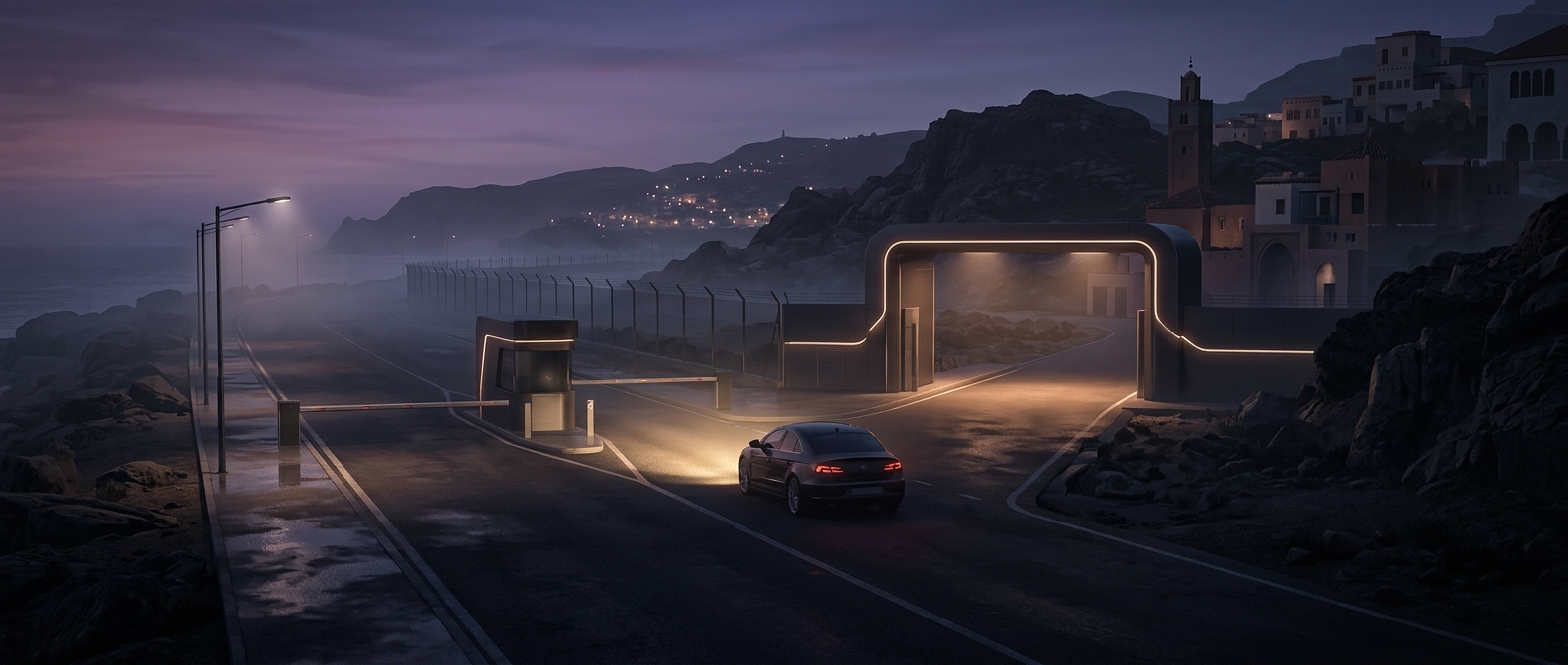
Why a short crossing can change the words around you
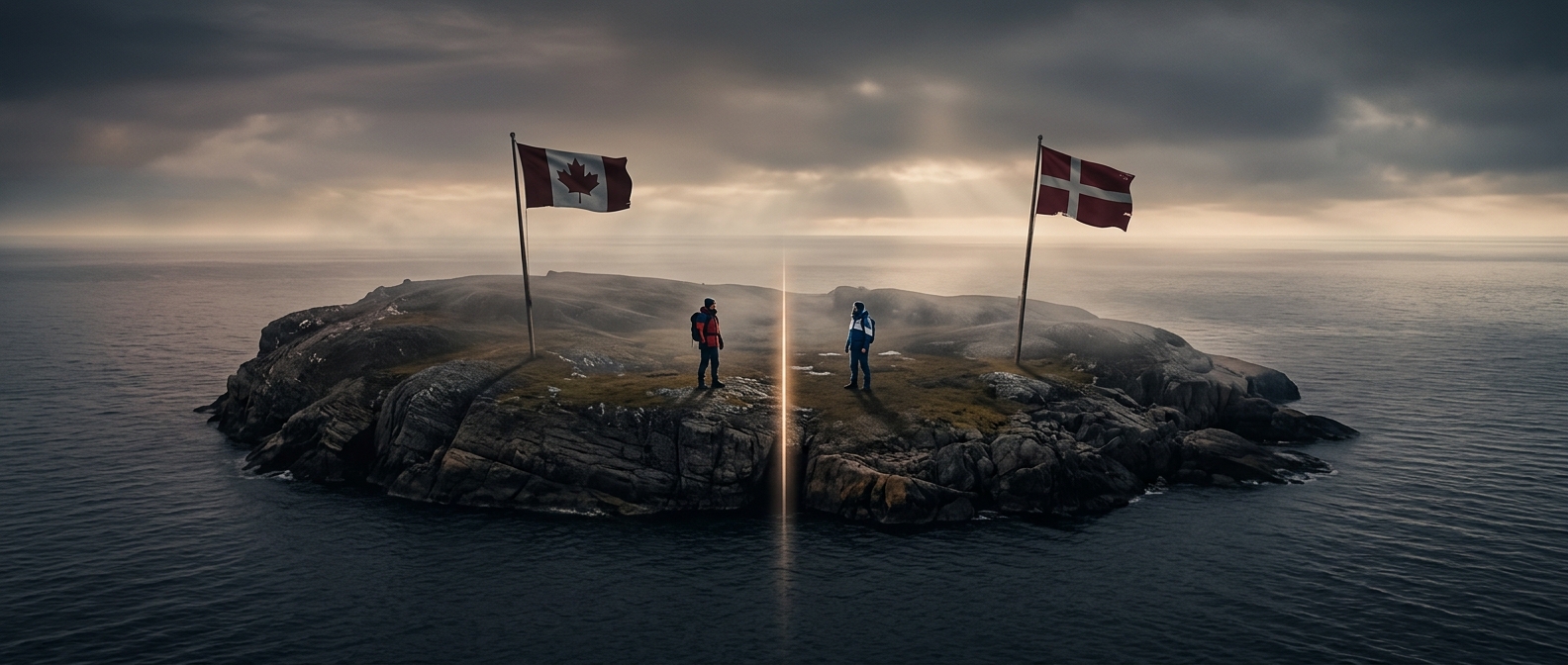
An international border is a political line, but the language on either side reflects much longer histories. Communities may have spoken different languages for centuries before a boundary was drawn; in other places, governments, migration, schooling, and shifting borders have helped make language use more mixed. The result is that a traveler can cross a line on a map and enter a place where the everyday words on signs, shop windows, and transit announcements are unfamiliar.
A border changes the systems you rely on
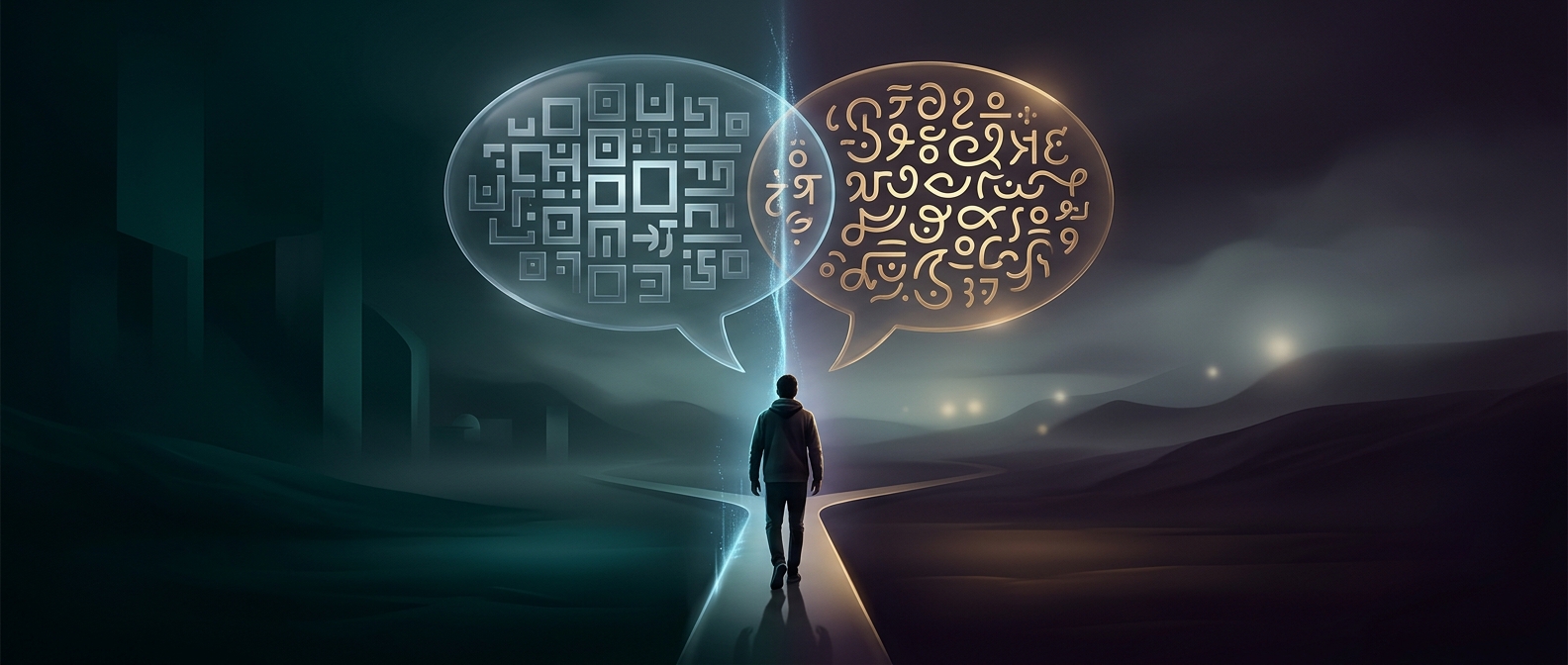
The shift is especially noticeable because several practical systems change together. Road signs and public notices follow the conventions of the country you have entered. A different alphabet can make even familiar place names hard to recognize, while a new currency changes the numbers and symbols used to price ordinary purchases. These changes are not necessarily abrupt in daily life: border regions often have residents who speak both languages, and some signs or businesses may serve visitors from either side.
Still, the border crossing can reveal how much of travel depends on shared conventions. A station name, a ticket machine, or a warning sign is useful only if you can read it—or know where to look for a translation. Travelers often bridge the gap with maps, gestures, translation tools, and a few memorized phrases, but the unfamiliar lettering can make the change feel more complete than the distance suggests.
The line on the map is not the whole story
Language boundaries rarely match political borders perfectly. A country may have multiple widely used languages, and a language may be spoken across several countries. That is why the most striking change is not always at the checkpoint itself: it may appear gradually in the names of towns, the language of local conversation, or the scripts used on storefronts. A short walk can cross a national boundary in seconds, while the cultural and linguistic landscape on either side remains layered.