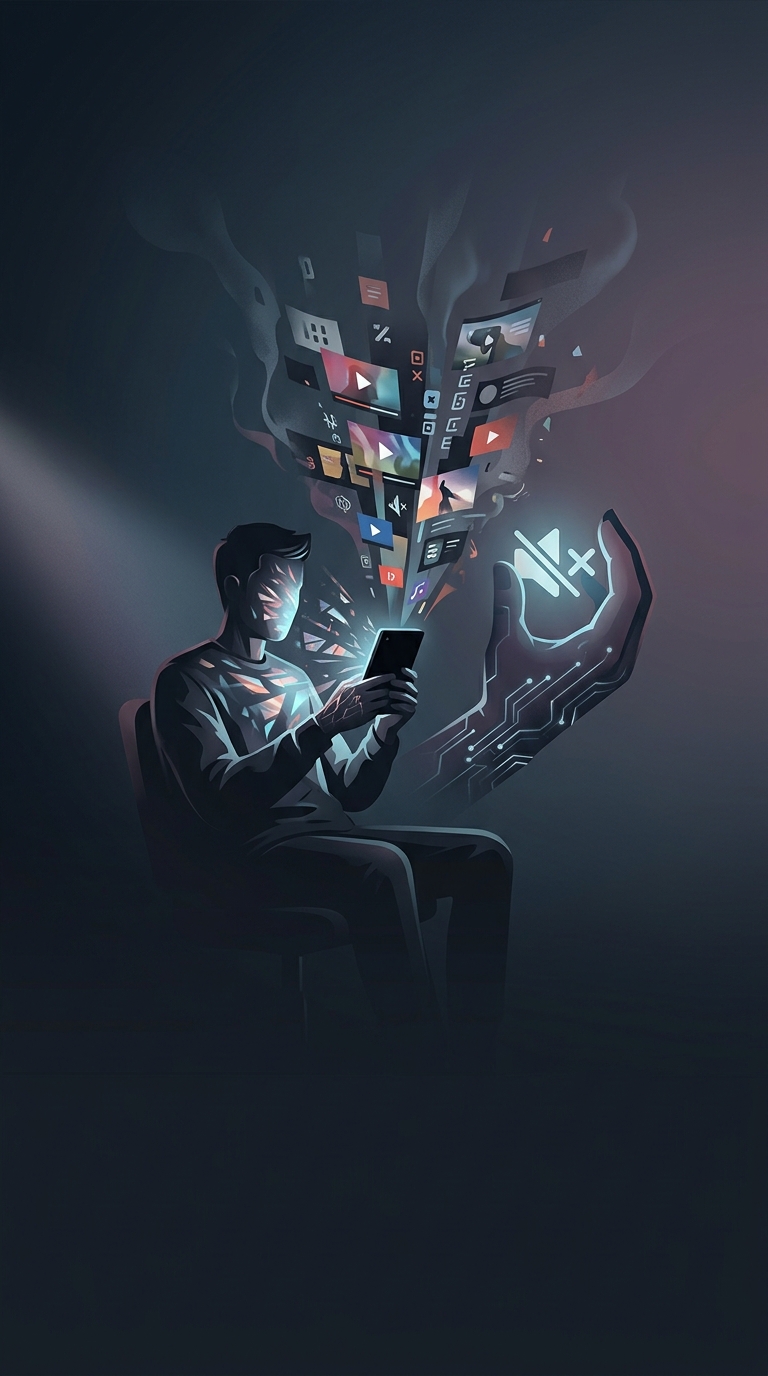
The post stays visible to its author
One way a platform can limit a disruptive account without a conspicuous ban is to make its posts less visible to other people. Often called shadow banning, this can mean reducing how widely an account’s posts are recommended or keeping certain comments out of public view. The person may still see their own post and be able to use the service, while other users encounter it less often—or not at all.
That difference matters because a visible ban tells someone exactly when access has been cut off. Quiet limits can interrupt the behavior without immediately prompting a new account, a flood of appeals, or a move to another service. They can also avoid making a troll’s removal a spectacle for an audience.
A filter can act before a person reviews a post
Platforms can combine automated systems with human moderation. Software can flag patterns such as repeated unwanted replies or suspicious bursts of activity; those signals may lead to reduced reach, limits on how often an account can post, or a review by moderators. The system does not need to erase every message. It can instead make it harder for a message to spread.
These measures are not always invisible or permanent. A platform may warn a user, remove content outright, or restore normal reach after a restriction ends. The specific tools and thresholds vary by service, and a post that attracts little attention is not by itself proof of a hidden penalty.
Quiet enforcement trades clarity for containment
The approach can slow harassment while giving moderators time to assess a pattern. But it has a cost: if people cannot tell why their posts stopped reaching others, they may struggle to correct a mistake or appeal a restriction. The core tradeoff is less immediate disruption for the target audience, but less transparency for the person being limited.